During my years of living as a pothead and porn addict, I was also a gamer. One of my favorite game series allowed players to create their own characters. When character creation in gaming first began, it was quite simple. We picked a few key features and the player’s sex, and that was it. However, by the time I retired from gaming, I would sometimes sit for hours trying to decide which traits and characteristics I wanted for my avatar. Too many choices paralyzed me.
Similarly, while living as a gay man, my best friend and I often discussed whether same-sex couples should be allowed to marry. Despite leaving our religion, we both felt deeply that marriage was not meant for same-sex couples. The Church’s clear stance defined our choices, which, though painful, were straightforward—a contrast to the endless options that caused me hesitation elsewhere.
A few years ago, while visiting my parents, my mom and I watched a documentary about Costco. In it, the business model was explained: their research showed people preferred fewer choices, making decisions easier. Previously, the Church offered this same clarity—clear standards and limited options. Now, many churches present multiple options, calling it merciful and compassionate; I view this approach differently, as it contributes to confusion rather than clarity.
I read The Lives of the Saints by Fr. Alban Butler every day. Written in the 1800s, these books vividly detail the virtues of the early saints. Their lives offered a roadmap to sainthood, and the Church urges us to follow the narrow path they set out for us, according to our state of life. However, today many leaders—shaped by a diluted, often Protestantized faith—doubt the realism of this calling for us now, or even if it was ever genuinely lived. In contrast, the saints recognized sin and consistently stressed the need for community among those striving for sainthood, underscoring the need for clear standards.
Most of my closest friends strive for virtue imperfectly. Despite our efforts, sin challenges us daily—lust, pride, self-hatred, and wrath, among others. Crucially, we recognize our faults without disguising them, while others view such choices as valid alternatives, reflecting fading Church clarity.
The term “irregular unions,” though not new, recently became established in Church language, notably in Fiducia Supplicans. Pope Francis’s team, aiming for compassion, used this term for civilly divorced and remarried, and same-sex couples, reframing sinful unions as “irregular.” This softened clarity and standards. By removing clear recognition of sin, the document brought confusion, seemingly inviting sinners to live sinful lives openly and proudly, not as sinful but as “irregular,” leading many astray and others into lives of mediocrity rather than spiritual greatness.
In The Homosexual Person, Fr. John Harvey, OSFS, founder of the Courage and Encourage apostolates for persons experiencing same-sex attraction (couragerc.org), shares his view on the damage that alternatives to reality, as presented in groups like Dignity and New Ways Ministries, do to our ability to live lives of virtue.
As long as Dignity is openly tolerated in a diocese, the ordinary homosexual Catholic will not be encouraged to join an organization such as Courage. As long as he is not convinced that sexual abstinence is the only moral option, it is not likely that he will take the more difficult route, particularly when he knows that priests and religious support the dissenting position of Dignity and that prominent theologians such as Gregory Baum and Charles Curran provide theological arguments in favor of it.
The same can be said for the idea of irregular relationships.
This is not to say sinners are unwelcome in the Church—without us, there would be no Church. But our sin is not welcome. Sin, like virtue, is learned. The Church must make clear that sin is not to be flaunted, celebrated, or tolerated. Calling sin “irregular” obscures its seriousness, leaving many trapped and tempting those striving against it to surrender.
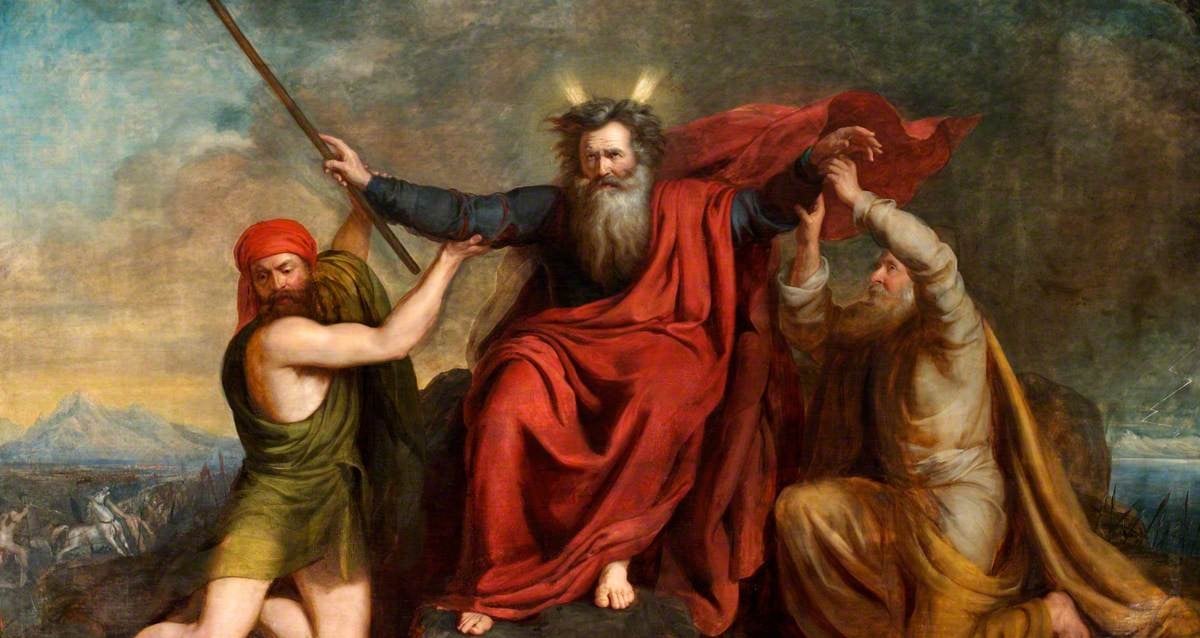
During the battle of Rephidim (Ex. 17:8-16), Moses stood over the battlefield with his arms raised as Joshua fought the Amalekites. When his arms grew tired, and he was tempted to let them drop, Aaron and Hur held them up, and the battle was won. In a similar way, we who are on the road to virtue and divinization are Joshua and Moses, while the Church supports us in battle.
However, to call sin “irregular” and to allow or encourage the open expression of sin is the Church lowering her arms and letting those in battle fall. Therefore, if we are to fight for what is good, holy, and virtue-building, the Church must promote this—not as merely one good option among many, but as the only option. Without such clarity, the Church and her potential saints will fail to achieve the goal Christ has set for us.
We are all at different places in the battle for our souls. While no one should be abandoned, it is vital to recognize that those who actively choose mediocre spiritual lives and embrace sin cannot be allowed to promote their sin under the guise of compassion and mercy. This distinction matters because, in my experience and throughout history, we see that sin influences those around it. We who pursue virtue are often weak in our pursuit. As a result, we need clear boundaries and rules, not unclear language such as “irregular.”
The power of example was understood by the Church in the past. She saw clearly that if sin were to be presented as “another way of living,” rather than the destructive force that it is, those of us who are weak in our faith would be easily led astray. For this reason, many were cast out of parishes, seminaries, and religious communities.
This is frowned upon now, understandably in some circumstances, and the destructive impact can be seen all around us—from parishes flying pride flags and celebrating gay-affirming Masses, to men in gay unions calling themselves Catholics in good standing, to religious communities overrun with monks and friars lounging after evening prayer on leather couches with drinks with little umbrellas in them.
I am not advocating kicking everyone out who struggles with sin, but many are not struggling. They are going with it, living it openly. They are a poison to virtue and must be lovingly but firmly confronted.
The word “irregular” and the lack of correction for sin flaunted in the Church leave a door open that shouldn’t be open. Living in a same-sex “marriage,” engaging in sexual activity outside of marriage, and divorcing and remarrying without an annulment are sins. Clear terminology matters. Using softened words out of a false sense of mercy creates confusion for everyone and obscures Church teaching. It is putting her light under a bushel basket instead of on top of a hill.
The word “irregular” should be reconsidered. The Church must speak with clarity and charity. Calling sin a sin is a kindness, helping us sinners return to and stay on the narrow path.
Image from Wikimedia Commons