In the latest episode of Russia Decoded, hosts Andy Kuchins and Chris Monday unpack how Russian media has responded to growing fractures in the Western alliance.
Growing criticism of the US–Israeli strikes on Iran has exposed an unusual lack of cohesion between the United States and its key allies. NATO members, including Germany, the United Kingdom, and Spain, have broadly rejected President Trump’s calls to send military vessels to secure and unblock the Strait of Hormuz. Public opinion in the Gulf has soured as people have begun to feel as though the United States is responsible for bringing war to their homes, while domestically, the Iran War has the least support of any military conflict in modern history. The cracks in traditional American alliances and widespread domestic opposition to the war present Russia with an opportunity to further its own interests in Ukraine and the Middle East, as the West fails to put up a united front.
Iran’s closure of the Strait of Hormuz has already begun to ripple through global energy markets, raising prices and tightening supply, creating the largest oil shock ever. In an attempt to stabilize the global oil market, the United States has temporarily eased sanctions on Russian oil. The move, which provides a major economic opportunity to Russia, has drawn stark criticism from European allies including Ukraine, the United Kingdom, and the European Union, furthering the divergence between the United States and its traditional allies.
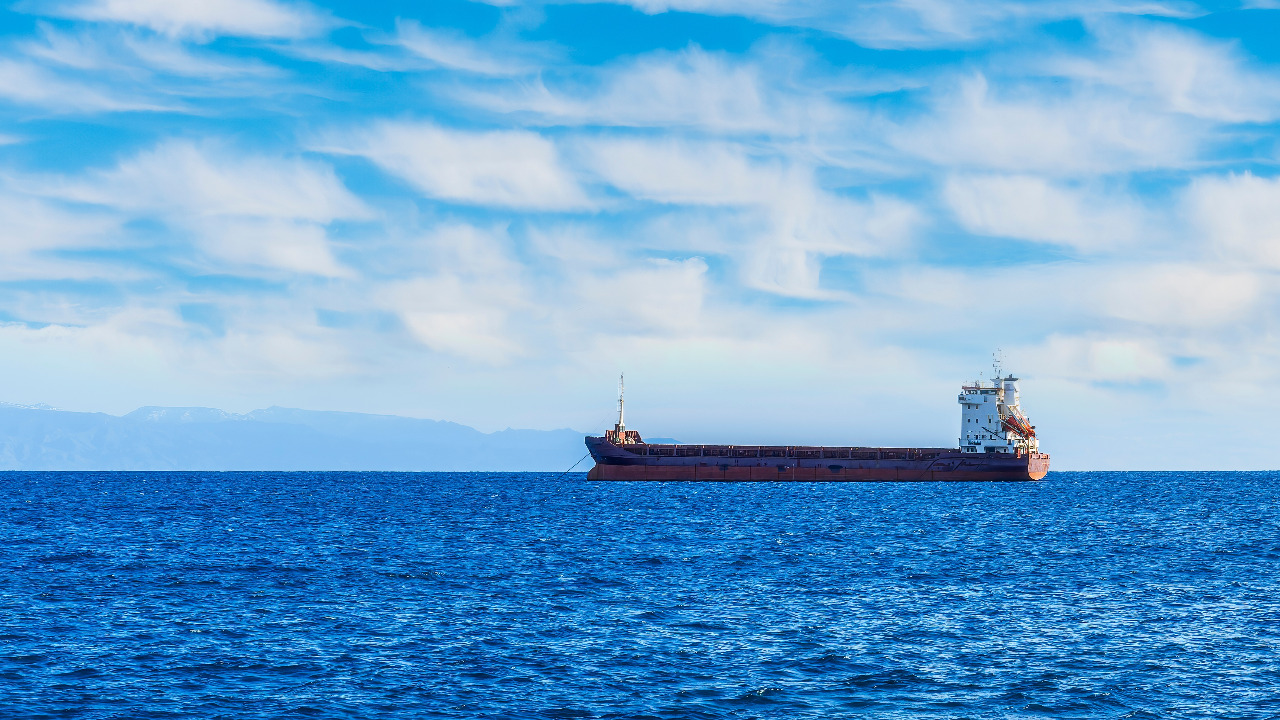
Reports of a suspected Ukrainian strike on a Russian LNG tanker in the Mediterranean point to a further broadening of the conflict between Moscow and Kyiv, as such an operation would represent a notable extension of Ukraine’s targeting beyond the immediate Black Sea theater. Russia has been quick to portray the strike as the West shooting itself in the foot, as the tanker carried Kazakh oil drilled by an American company, and the strike’s resulting oil spill threatens ecological disaster in the Mediterranean.
Hungary is the latest arena for competing claims of foreign interference linked to the war in Ukraine in the run-up to its upcoming parliamentary elections in April. Prime Minister Victor Orban and Russia have claimed that Ukraine is attempting to influence the outcome of the election by providing material support to the opposition party Tisza, while Ukraine and Tisza have in turned claimed of Russian interference designed to keep Orban in power. The election’s outcome will have a significant impact on EU policy towards the war, as an opposition victory would remove Hungary as an obstacle to the EU’s support for Ukraine, while a government victory would allow Russia’s key EU ally to retain power.
Is the international opposition to US actions in the Gulf a sign of deeper fractures within the Western alliance? Could sustained disruption in the Strait of Hormuz reshape global energy flows in ways that benefit Russia? And as Hungary heads toward elections, how significant is the risk of an unfair, and rigged, election?
In this episode of Russia Decoded, Andy Kuchins and Chris Monday unpack how Vladimir Putin and Russian elites understand the world and how they seek to influence it. Listen now on Apple, Spotify, or wherever you get your podcasts.
Have a comment? Contact us at [email protected].
About the Speakers: Andy Kuchins and Chris Monday
Andrew C. Kuchins is currently a senior fellow at the Center for the National Interest and an adjunct professor at the Johns Hopkins University School of Advanced International Studies. He has served as President of the American University of Central Asia and the Director of the Carnegie Moscow Center as well as the Russia and Eurasia Programs at the Carnegie Endowment for International Peace and the Center for Strategic and International Studies. He is the author or editor of 7 books and published columns for The Wall Street Journal, The New York Times, The Washington Post, and many other media outlets.
Chris Monday is an associate professor of economics at Dongseo University in Busan, South Korea.