Sweden has committed hundreds of millions of dollars to strengthening its drone force and its space capabilities—both of which will be crucial in any future NATO war.
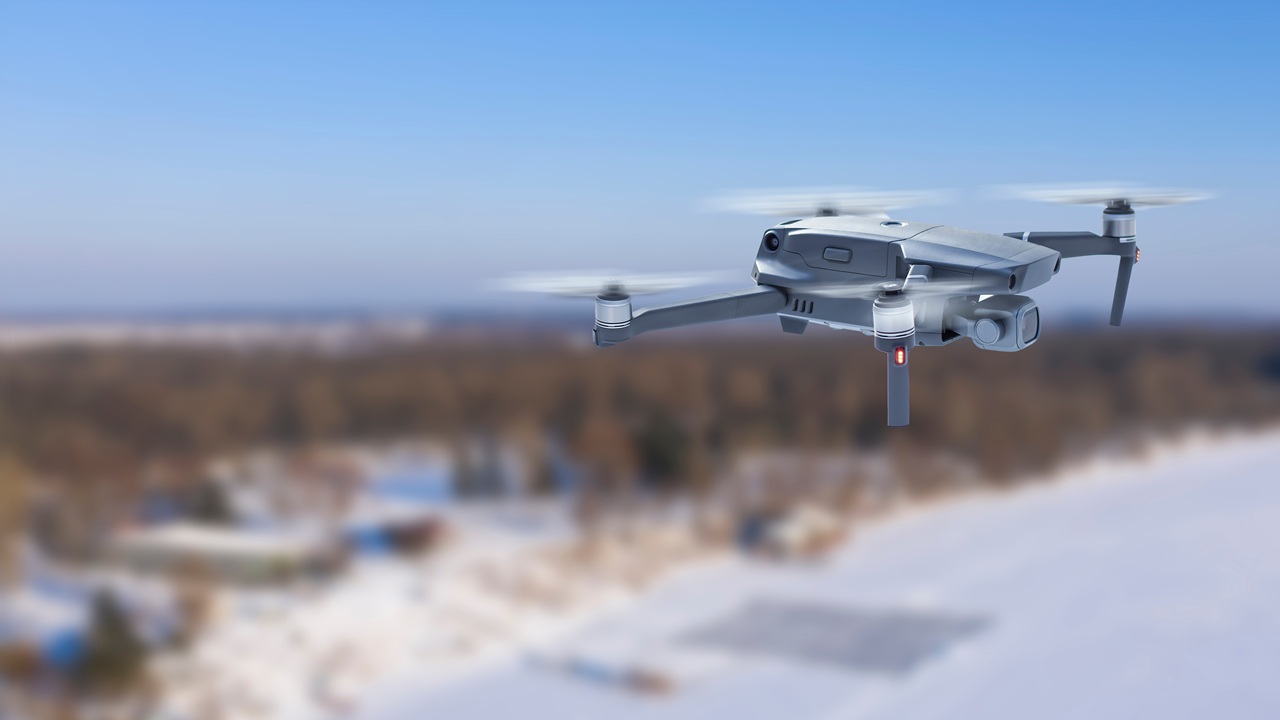
One of the newest members of NATO is investing hundreds of millions of dollars in a drone force.
Sweden is creating an unmanned aerial and maritime systems force to protect its territory from Russian aggression.
Understanding Sweden’s Military Investment In Drones
The Swedish government will spend more than SEK 4 billion (approximately $450 million) over the next two years to equip the Swedish military with more and better unmanned systems.
The Swedish military’s investment in unmanned aerial systems will follow a four-prong approach: suicide drones, reconnaissance drones, airborne, remote-controlled electronic warfare capabilities, and maritime drones.
“Unmanned systems and space situation awareness are crucial in modern warfare. By investing in drone capabilities and space systems, we are strengthening the Swedish Armed Forces’ operational capabilities, increasing the resilience of our combat units and improving our capability to act together with Allies,” Swedish Minister for Defense Pål Jonson said in a government press statement.
Stockholm plans to deliver the drones between 2026 and 2028.
Sweden Is Learning the Right Lessons from the Ukraine War
Sweden’s investment in unmanned aerial systems follows the lessons learned coming out of the Ukrainian conflict. Today, drones are an integral part of modern warfare. They might not be the most important weapon on the battlefield—in Ukraine, artillery continues to account for the largest number of casualties on both sides—but the value of drones, especially kamikaze drones, has skyrocketed over the past four years of fighting.
Stockholm is also spending a considerable amount of money on space capabilities. As part of the same defense spending initiative, the Swedish government is investing SEK 1.3 billion (almost $150 million) in space situation awareness capabilities.
“Enhanced space capabilities offer Sweden improved intelligence gathering, enhanced freedom of action and greater strategic autonomy. By building up national satellite capabilities, we are strengthening the protection of our combat forces and increasing Sweden’s value as a relevant and reliable ally,” the Swedish Defense Minister added.
Space awareness functions can increase air defense capabilities by speeding up the tracking and monitoring of incoming missile threats. Russia has shown a preference for long-range fires, including ballistic missiles, cruise missiles, and suicide drones. So, advanced space awareness capabilities can create a better air defense umbrella against a potential Russian threat.
Alongside its neighbor Finland, Sweden applied to join NATO after Russian President Vladimir Putin decided to invade Ukraine on February 24, 2022. The Swedish people decided to abandon hundreds of years of neutrality, including abstentions from fighting in Europe’s largest conflicts in World War I and World War II, due to the fear of Russian aggression.
The Kremlin’s decision to invade Ukraine was meant to increase the Russian sphere of influence and deter NATO and Europe from competing with Russia. Almost four years later, facts show that the Kremlin’s decision backfired and only strengthened NATO and motivated Europe to spend more on its collective defense capabilities.
About the Author: Stavros Atlamazoglou
Stavros Atlamazoglou is a seasoned defense journalist specializing in special operations and a Hellenic Army veteran (national service with the 575th Marine Battalion and Army HQ). He holds a BA from the Johns Hopkins University and an MA from the Johns Hopkins’ School of Advanced International Studies (SAIS). His work has been featured in Business Insider, Sandboxx, and SOFREP.
Image: Shutterstock / Mia Stendal.