While the world reacted with shock to the dramatic US seizure of Venezuelan President Nicolás Maduro on January 3, Russian state media remains strikingly circumspect.
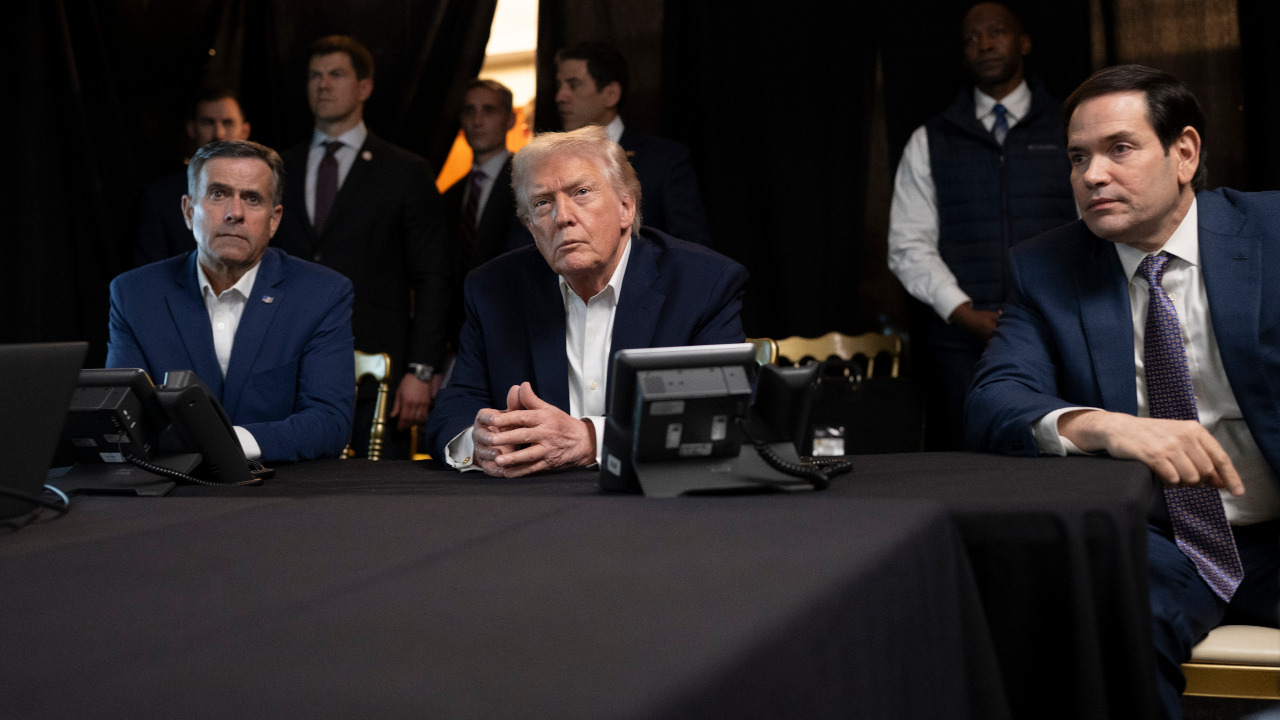
As 2026 begins, the Trump administration has jolted the global order yet again with Operation Absolute Resolve, the lightning-fast capture of Venezuelan President Nicolás Maduro. While reactions in the West have ranged from outright condemnation to tepid approval, the most telling reaction might be Moscow’s. Rather than the expected fire-and-fury rhetoric, Russian state media remained strikingly circumspect, which has fueled yet more rumors of a “New Yalta” establishing spheres of influence from Caracas to Kyiv.
How much truth is there behind the speculation? In 2019, Fiona Hill, a former National Security Council (NSC) director for Russia, testified before Congress that Russian officials had floated a “very strange swap arrangement between Venezuela and Ukraine.” As the moderate Russian voice Sergey Brilyov now leads coverage of the Venezuela strikes on state media, observers can only wonder if the rapport established during the Trump-Putin Alaska summit in 2025 has finally yielded a backstage deal.
If Moscow is muted on the Caribbean, its internal and European narratives remain as belligerent as ever. Russian television continues to demean European leaders. And last week, state media presented grainy footage of an alleged drone assassination attempt on Vladimir Putin at his Valdai residence, perpetrated by Ukraine. Skeptics note the debris appeared likely staged, and the US intelligence community has reportedly dismissed Moscow’s claims. Vesti Nedeli’s January 4 broadcast had no new developments to report on the story.
Beneath the veneer of control, cracks have appeared in elite consensus. A New York Times report last month detailed closed-door discussions between Putin and his longtime associate Dmitri Kozak, who reportedly urged an end to the “mistake” of the war before his recent resignation. As the Kremlin pivots toward a paternalistic national ideology promising social governance and AI-driven prosperity, the realities of labor shortages and economic isolation remain.
Was the US capture of Nicolás Maduro part of a “New Yalta” deal? What message was sent during Putin’s phone call to Donald Trump last week? In this episode of Russia Decoded, Andy Kuchins and Chris Monday unpack how Russian elites and the Kremlin understand the world, and how they seek to influence it.
Listen to Russia Decoded now on Apple, Spotify, or wherever you get your podcasts.
About the Speakers: Andy Kuchins and Chris Monday
Andrew C. Kuchins is currently a senior fellow at the Center for the National Interest and an adjunct professor at the Johns Hopkins University School of Advanced International Studies. He has served as President of the American University of Central Asia and the Director of the Carnegie Moscow Center as well as the Russia and Eurasia Programs at the Carnegie Endowment for International Peace and the Center for Strategic and International Studies. He is the author or editor of 7 books and published columns for The Wall Street Journal, The New York Times, The Washington Post, and many other media outlets.
Chris Monday is an Associate Professor of Economics at Dongseo University in Busan, South Korea.
Image: President Donald Trump monitors US military operations in Venezuela, from Mar-a-Lago in Palm Beach, Florida, on January 3, 2026. (Official White House Photo by Molly Riley)