Watt’s Happening aims to provide breaking news, sharp analysis, and thoughtful commentary from the cutting edge of the energy sector as this dynamic area of the world continues to expand and grow before our eyes.
Weekly Highlights:
Mixed Success in Mexico
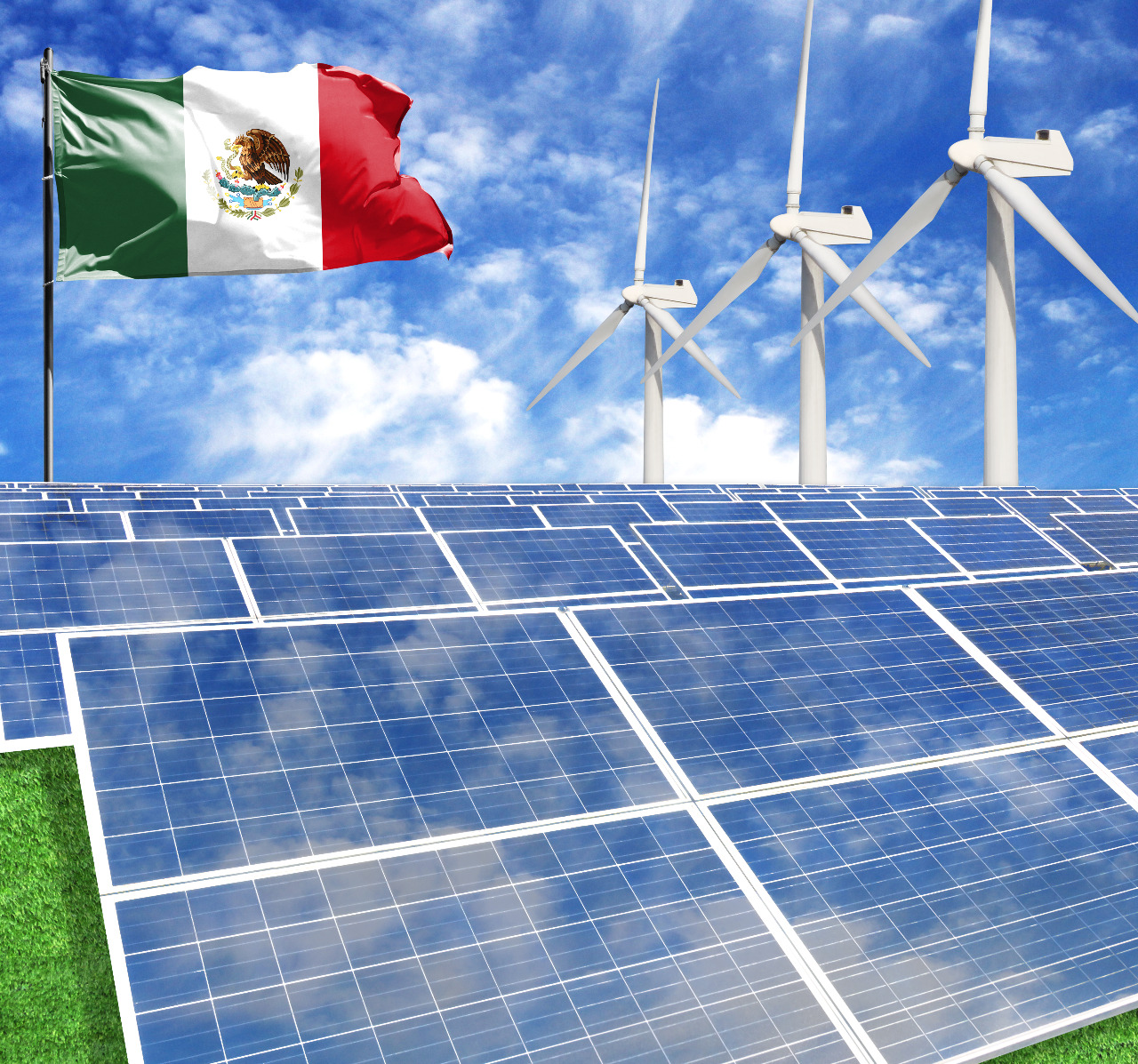
The government of Mexico, under President Sheinbaum Pardo, has pledged to achieve the target of 38 percent clean electricity generation by 2030. The data from 2024, however, paints a less-than-optimistic picture regarding this plan, with 23.4 percent of total electricity generation classified as “clean energy.” In addition to the accruing benefits from green energy and a desire to empower previously underserved areas of the country, growing concern with regard to its northern neighbor, upon which Mexico greatly depends for natural gas imports, is likely also serving as a driver for this shift.
NATO Weighs in on Energy Security
While it is frequently thought of as a military alliance against Russian (and, before that, Soviet) aggression, it is important that the North Atlantic Treaty Organization (NATO) not throw energy out of the national defense window. On December 10, Secretary General Mark Rutte met with Assistant Secretary of the United States Department of Energy Tommy Joyce and various European Union officials in a meeting that was designated to underscore the importance of energy as the war in Ukraine continues to drag on and Russia continues to attack Ukraine’s energy infrastructure. All of this only serves to highlight the point that NATO must continue to ensure the security of its supply lines and energy infrastructure in order to be better prepared for a future war.
California’s Gas Market Is Transforming
For a very long time, the consensus among economists was that competition was a good thing, as it led to lower prices. Recent developments in California’s refining capacity may only serve to underscore the importance of this principle in lowering prices at the pump. As two of the state’s refineries close due to a lack of gasoline demand and the continued rise of electric vehicles, the state is being forced to depend more on imported gas, which may serve to increase the amount of competition in the market and lower gas prices. Since California has some of the highest gas prices in the nation, this is a very good thing.
The EU Upgrades Its Energy Infrastructure
The European Commission has put forth a few policy proposals with three goals in mind: achieve lower energy prices, make the energy supply secure and reliable, and work towards energy independence from foreign powers (especially Russia). In some ways, these proposals mirror that of President Donald Trump’s plan for American energy dominance — maximizing already-existing energy infrastructure and speeding up permitting procedures. However, one thing the EU plan has planned to put in place that energy dominance does not is a system that sets up a fairer sharing of costs for transborder energy projects.
Europe Launches World’s First Carbon Tariff
The European Union is also planning to launch something called the CBAM — the Carbon Border Adjustment Mechanism — at the start of 2026. What this is is basically a tariff whose goal, instead of protecting domestic industry, is to cut down on pollution through charging fees on imports based on how much planet-warming pollution was produced in their manufacturing. While intending to target energy-heavy materials like aluminum and steel, other industries are already taking notice and making their products more green in order to be more enticing for European consumers. Other countries are watching as well and may introduce versions of their own if the CBAM is proven to work.
About the Author: Toni Mikec
Toni Mikec is the managing editor for Energy World, a publication of the Center for the National Interest. Before that, he worked as a political consultant for Your Voter Guide in Sacramento and as a senior editor at Eagle Financial Publications in Washington DC. He holds a B.A. in International Relations (summa cum laude) from the University of California, Davis and a M.A. in International Relations and International Economics from the Johns Hopkins School of Advanced International Studies.
Image: Shutterstock/Ketanof