Watt’s Happening aims to provide breaking news, sharp analysis, and thoughtful commentary from the cutting edge of the energy sector as this dynamic area of the world continues to expand and grow before our eyes.
Weekly Highlights:
Carbon Capture Project in Croatia Takes Off
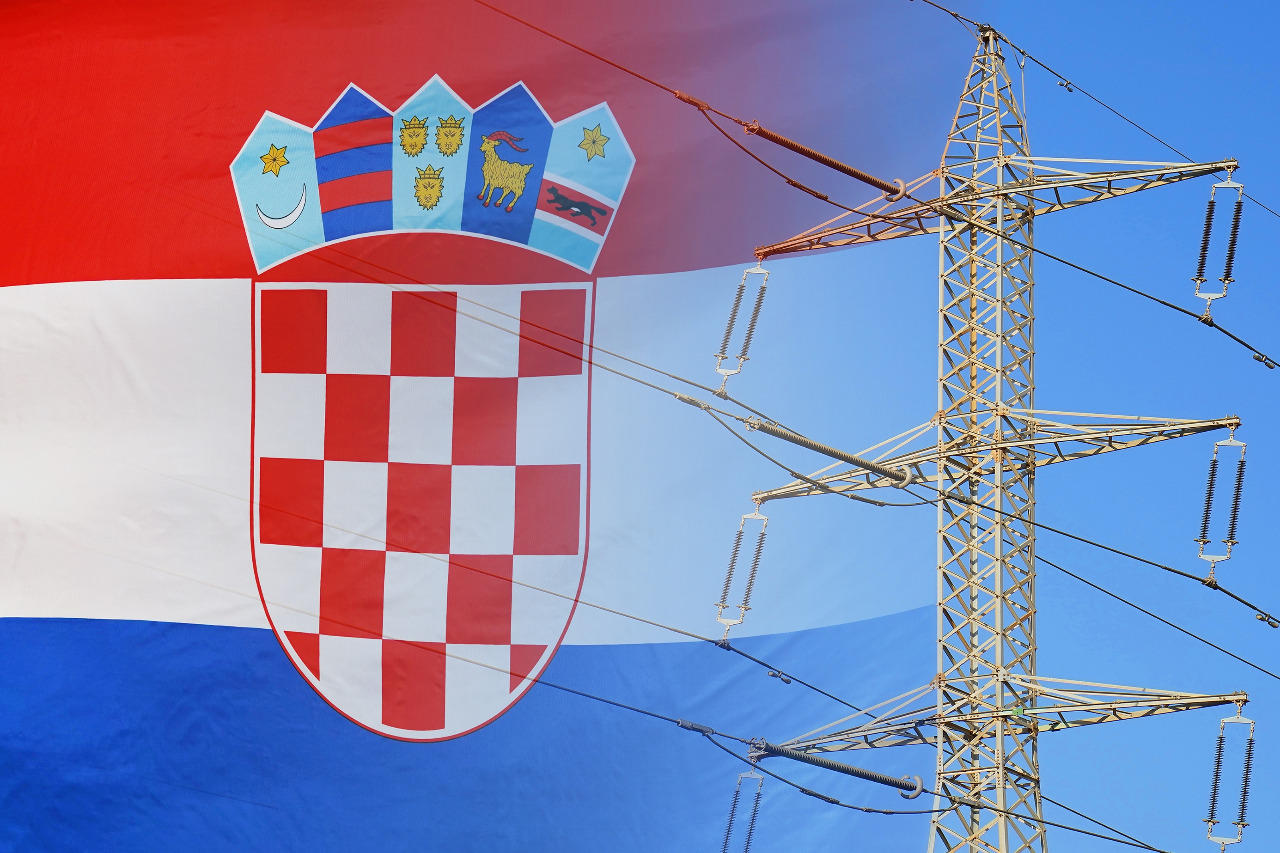
A Croatian cement company was recently tasked with a humongous responsibility: develop Croatia’s first decarbonized cement plant. More specifically, Holcim Croatia was granted strategic status by Minister Ante Šušnjar with regard to its carbon capture and storage project. The end goal, of course, is to have a facility that can capture and store the carbon dioxide produced as a byproduct of the cement-making process, enabling this factory to be completely carbon-free.
EU Rejects Green Groups’ Appeal to Reevaluate “Critical” Projects
On the other hand, the European Union recently rejected an appeal by several environmental groups to reevaluate sixteen projects deemed “critical” — many of which involve mining for rare earth minerals in an effort to get around China’s monopoly of them. The environmental groups have argued that these projects are not, in fact, critical, and the EU is labeling them as such in order to railroad them through, regardless of their environmental impact. This lack of engagement with civil society, these groups contend, is a major problem that needs to be addressed.
Mark Carney’s Energy Deal With Alberta
Canadian Prime Minister Mark Carney’s government recently signed a memorandum of understanding with the Canadian province of Alberta, and not everyone is happy with it. The agreement gives the province an exemption from federal environmental laws that have threatened to preclude the development of an oil pipeline to the coast of British Columbia. The price? Alberta needs to construct a major carbon capture, utilization, and storage project in return. While some praised the agreement as marking “a new relationship,” both members of First Nations tribes and some within Prime Minister Carney’s cabinet have disagreed with the decision, with one minister even quitting in protest.
The Energy Effects of the AI Bubble
Both the energy demands of the AI revolution and the presence of an AI investment bubble are, by now, very well known both inside and outside the AI community. But what if the AI bubble were to burst? What would its impact on energy be then? Unfortunately, the prognosis looks grim, as millions of dollars of energy assets will be affected (and not in a good way). One possible problem is what is referred to as stranded assets. This is where utility companies build more infrastructure than they actually need, only to wind up high and dry when the demand proves to be less than expected.
China Moves to Curb Competition in the Battery Sector
Pledging to fight against what it calls “irrational competition” in the battery sector, China’s Ministry of Industry and Information Technology is attempting to curb the sector’s dual problems of oversupply and aggressive bidding. Indeed, much has been written about China’s problem of “involution” and the Chinese government’s desire to curb cutthroat competition and increasing regulatory oversight. As a result, Western analysts have predicted that the Chinese battery sector will come to mirror the Chinese solar power sector: a period of expansion followed by consolidation.
About the Author: Toni Mikec
Toni Mikec is the managing editor for Energy World, a publication of the Center for the National Interest. Before that, he worked as a political consultant for Your Voter Guide in Sacramento and as a senior editor at Eagle Financial Publications in Washington DC. He holds a B.A. in International Relations (summa cum laude) from the University of California, Davis and a M.A. in International Relations and International Economics from the Johns Hopkins School of Advanced International Studies.
Image: Shutterstock/lunopark