The idea that the Raider could be manned only by a single trained pilot is unprecedented.
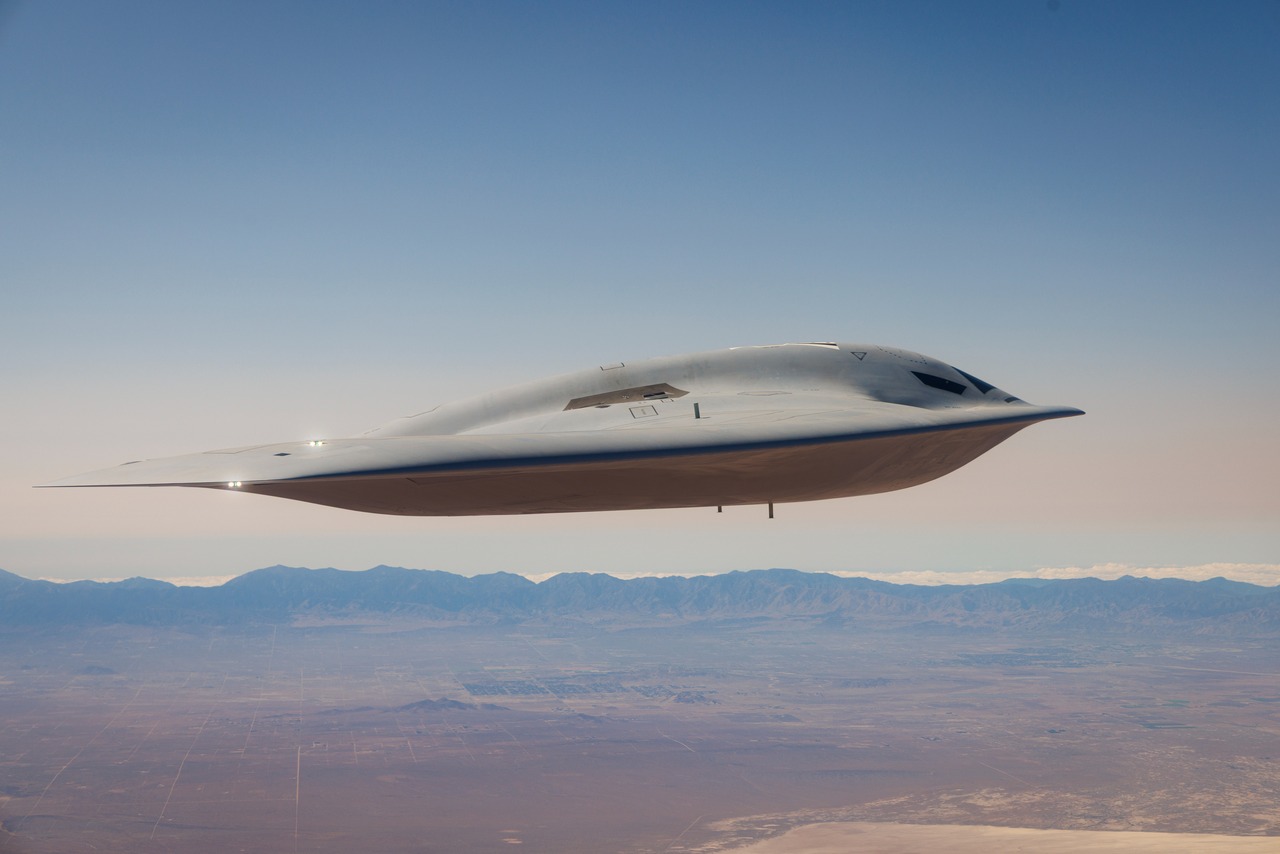
While much surrounding the US Air Force’s upcoming next-generation stealth bomber program remains highly classified, limited divulged information suggests the B-21 Raider could be even more unique than initially predicted. Last month, the head of the US Air Force Global Strike Command recommended that the cockpit of the sixth-generation platform should be filled by a weapons systems officer (WSO). Notably, a WSO is not a pilot but a specialized crew member responsible for operating an aircraft’s weapons, radars, and sensors. The idea that the Raider could only be manned by a single trained pilot in addition to a WSO is certainly unprecedented and indicates artificial intelligence could play a leading role in the platform’s overall design.
“Unleashing the Raider’s full potential demands a complex blend of skills: airmanship, weaponeering, electromagnetic spectrum operations, sensor management, real-time battle management and agile replanning in combat,” Gen. Thomas Bussiere wrote in an August memo, which was addressed to the offices of the Air Force secretary, chief of staff, and the commander of U.S. Strategic Command. “Unleashing the Raider’s full potential demands a complex blend of skills: airmanship, weaponeering, electromagnetic spectrum operations, sensor management, real-time battle management and agile replanning in combat,” Bussiere added. These remarks suggest the B-21 is being designed not only to fulfill a traditional bomber role, but also to serve on the frontlines of electronic warfare, intelligence, battle management, and reconnaissance fronts.
About the B-21 Raider
- Year Introduced: Upcoming
- Number Built: ~ 3
- Length: 54 feet
- Wingspan: 132 feet
- Weight: Maximum takeoff weight of 180,000 pounds
- Engines: Two non-afterburning Pratt & Whitney PW9000 turbofan engines
- Top Speed: Around Mach .08 (times the speed of sound)
- Range: ~ 6,000 miles
- Service Ceiling: ~ 55,000-60,000 feet
- Loadout: Expected to field a dual-capable loadout of both nuclear and conventional weapons in its internal bays, including a range of precision-guided munitions like the AGM-181 LRSO cruise missile, B61-12 nuclear glide bomb, and B61-13 nuclear bunker buster bombs
- Aircrew: Likely 2
Named to honor the “Doolittle Raiders” of World War II, the B-21 Raider is expected to lead the way in terms of bomber power across the globe when introduced. The sixth-generation stealth platform will feature low-observable processes and open architecture that will make it an accessible aircraft for generations down the line. As mentioned previously, exact specs and details surrounding the Raider program have not been divulged. However, we do know that the bomber is making steady progress on the design front.
The Air Force has indicated that it hopes to procure at least 100 B-21s by the end of the decade. However, some analysts want the service to acquire far more Raiders than that, believing the aircraft is crucial to maintaining operational readiness for potential conflicts with China, Russia, or other adversaries. Both Moscow and Beijing are similarly working to field their own sixth-generation bomber prototypes, namely the PAK-DA and H-20 “Xi’an” respectively. Until the Raider reaches operational capacity with the Air Force, the service will continue to rely on its existing bomber fleet made up of B-2s, B-52s, and B-1s.
About the Author: Maya Carlin
Maya Carlin, national security writer with The National Interest, is an analyst with the Center for Security Policy and a former Anna Sobol Levy Fellow at IDC Herzliya in Israel. She has over 1,000 articles published over the last several years on various defense issues. Carlin has bylines in many publications, including The National Interest, Jerusalem Post, and Times of Israel. You can follow her on Twitter: @MayaCarlin.
Image: DVIDS.