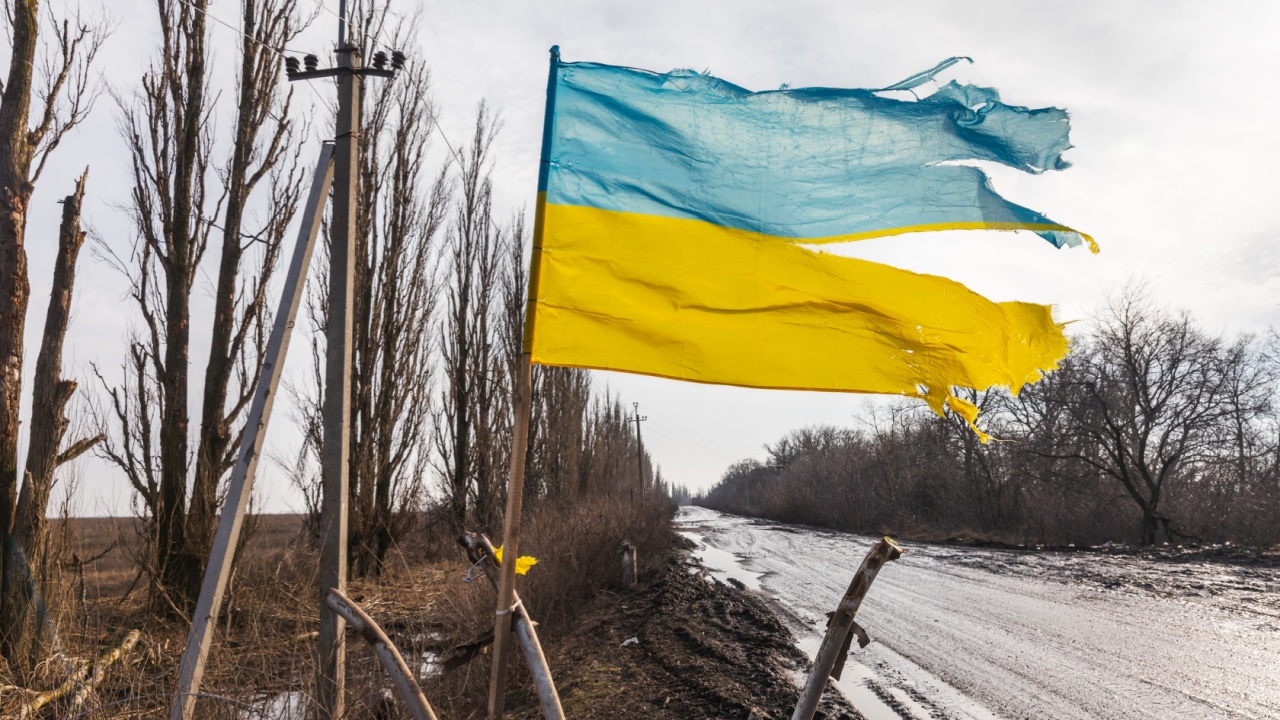
Kyiv is betting on Europe liquidating Russia’s frozen assets for its war effort.
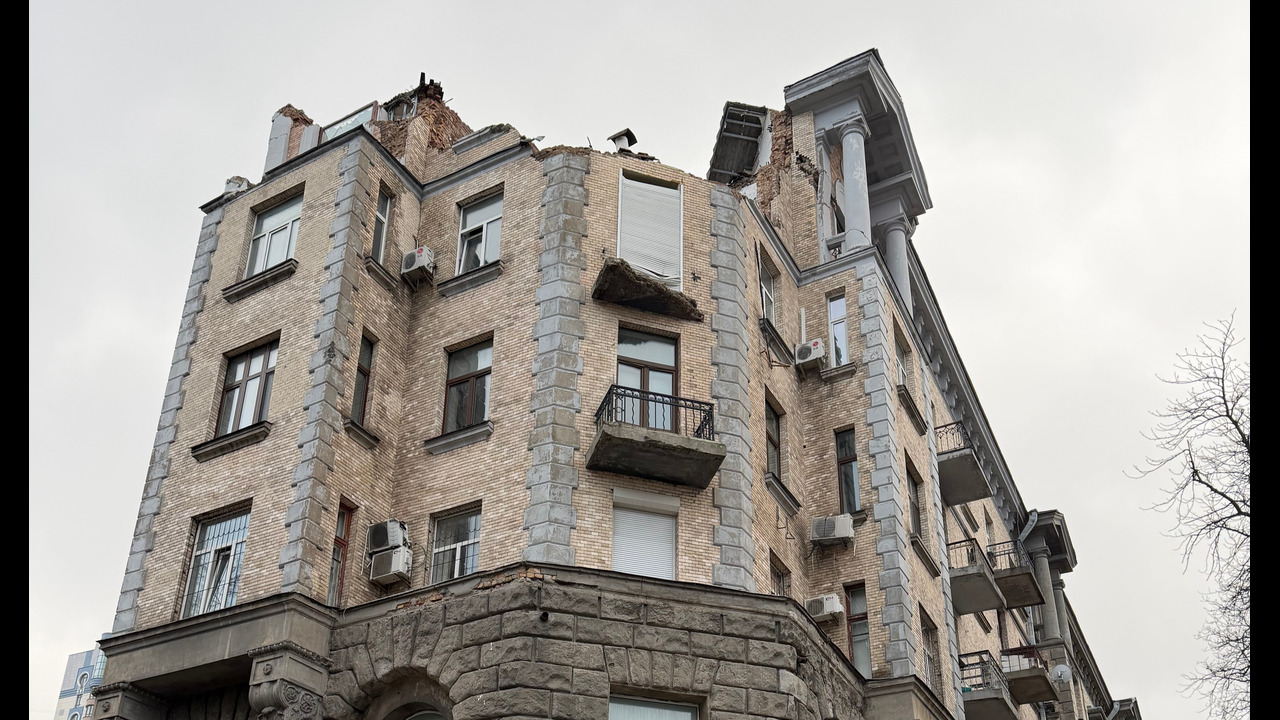
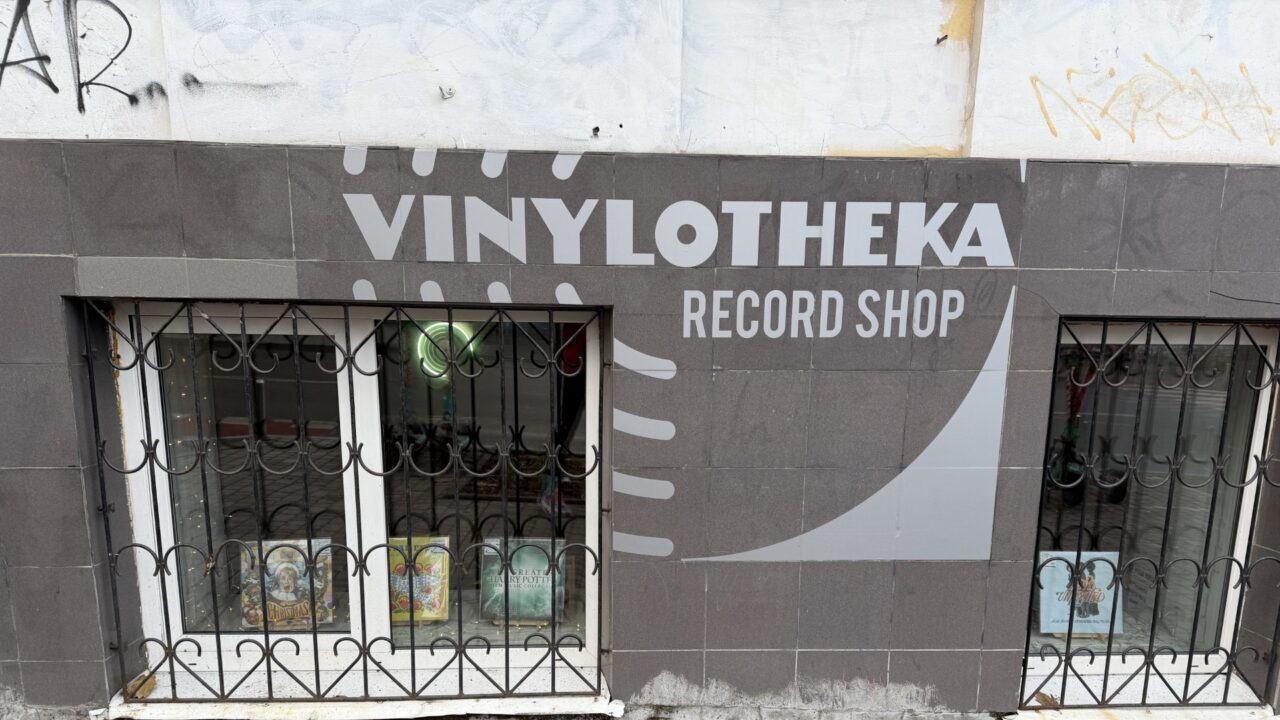
Kyiv, which I recently visited for a week under the auspices of the Transatlantic Dialogue Center, is a bustling city that is almost indistinguishable from its European counterparts. It boasts everything from packed restaurants to several LP stores to a bespoke tailoring house. The resilience of the locals in the face of frequent nighttime drone and missile attacks is as inspiring as it is remarkable.
That resilience helps to explain why a few weeks from now—January 12, to be precise—Russia will have fought longer in Ukraine than it did in World War II. Another way of putting it is that in four years, under Stalin’s leadership, Russia marched to Berlin. By contrast, Russian president Vladimir Putin has yet to conquer the Donbas. In living up to the former Soviet dictator’s legacy, his principal accomplishment appears to have been to put a statue of Stalin in Moscow’s Taganskaya metro.
So is Putin ready to reach a peace deal that might offer a respite from the fighting? If his fighting words on Wednesday were anything to go by, the answer is a flat no. Rather than extending an olive branch, Putin assailed European leaders during an annual meeting with his military advisers. “Everyone thought that in a short amount of time they could destroy Russia,” Putin said. “And the European swine immediately joined the work of the previous American administration in the hope of profiting from the collapse of our country.” He went on to indicate that Russia’s invasion of Ukraine was going swimmingly, anticipating more territorial gains should the current peace talks fail.
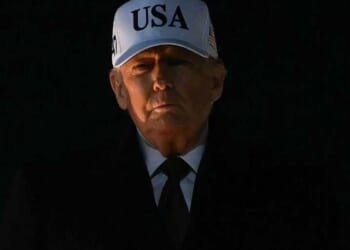
At the same time, Politico is reporting that a new peace effort will take place this weekend in Miami, where Russian and American negotiators will meet. If a new Vanity Fair story is anything to go by, President Donald Trump and his advisers have no illusions about Putin’s true ambitions. “There are offers on the table right now to basically stop this war at its current lines of contact, okay?” Secretary of States Marco Rubio told the magazine. “Which include substantial parts of Ukrainian territory, including Crimea, which they’ve controlled since 2014. And the Russians continue to turn it down.” Rubio went on to state, “And so…you do start to wonder, well, maybe what this guy wants is the entire country.” Susie Wiles, Trump’s chief of staff, observed, “Donald Trump thinks he wants the whole country.”
For Ukrainians, the twists and turns of the Trump administration’s approach toward Ukraine and Europe seem more confounding than deciphering Russia’s intentions. One military adviser in the presidential administration asked about the new National Security Strategy, “What does it actually mean?” The apodictic language of the document, which warned about the “civilizational erasure” of Ukraine, confounded political and military advisers who see Europe, not as a foe but an essentially ally, which, come to think of it, is how Washington also viewed it for decades, at least until Donald Trump decided that intimate relations with Germany, France and other countries was old hat.
Studying the gobbledygook of a goofy national security strategy, however, is not something that Ukrainians have the time to luxuriate in as they confront a very immediate threat to their sovereignty. On Wednesday, Ukrainian president Volodymyr Zelensky stated that Ukraine is preparing for a fresh “year of war.”
President Zelensky’s mission is to persuade European officials to liberate Russia’s frozen assets on its behalf, a step that German chancellor Friedrich Merz has been urging his counterparts to take. On Monday, Merz announced, “Let us not deceive ourselves. If we do not succeed in this, the European Union’s ability to act will be severely damaged for years, if not for a longer period.” No one has been more stalwart in seeking to assist Ukraine in recent months than Merz, who likened Putin’s ambitions to Hitler’s after he occupied the Sudetenland in 1938.
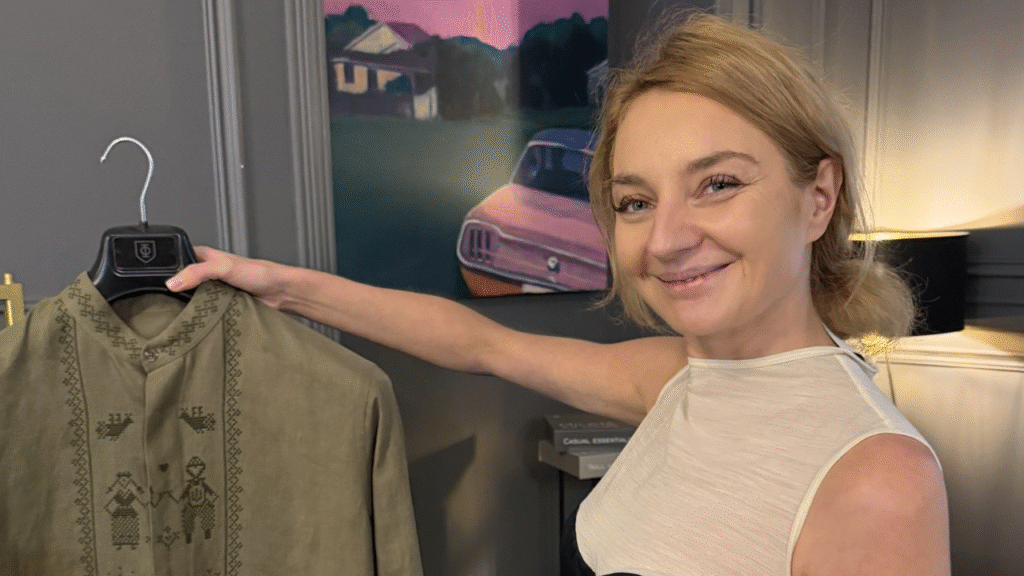
My trip to Kyiv convinced me that while Ukrainians are weary of the war, they are not about to buckle. Government officials emphasized that any peace deal would have to be subject to a nationwide referendum and approved by parliament. The specter of a second Budapest Memorandum, which contained meretricious guarantees for Ukraine’s security, also loomed large. Above all, there was the refusal to abide by the prospect of living under Russian tyranny. In talking about Putin’s ability to construct a state based on government propaganda, Kateryna Vozianova, the proprietor of a Kyiv tailoring house called Indposhiv, put it succinctly: “Unlike the Russians, we can’t walk around with spaghetti between our ears.”
About the Author: Jacob Heilbrunn
Jacob Heilbrunn is editor of The National Interest and is a nonresident senior fellow at the Atlantic Council’s Eurasia Center. He is the author of They Knew They Were Right: The Rise of the Neocons, which The New York Times included on its 100 notable books of the year in 2008, and America Last: The Right’s Century-Long Romance with Foreign Dictators. He has written on both foreign and domestic issues for numerous publications, including The New York Times, The Washington Post, The Wall Street Journal, Financial Times, Foreign Affairs, Reuters, Washington Monthly, and The Weekly Standard. He has also written for German publications such as Cicero, Frankfurter Allgemeine Zeitung, and Der Tagesspiegel.
Image: Drop of Light / Shutterstock.com.