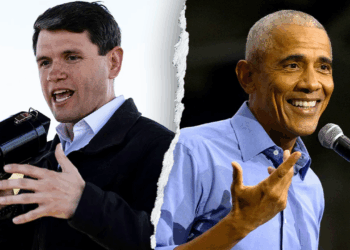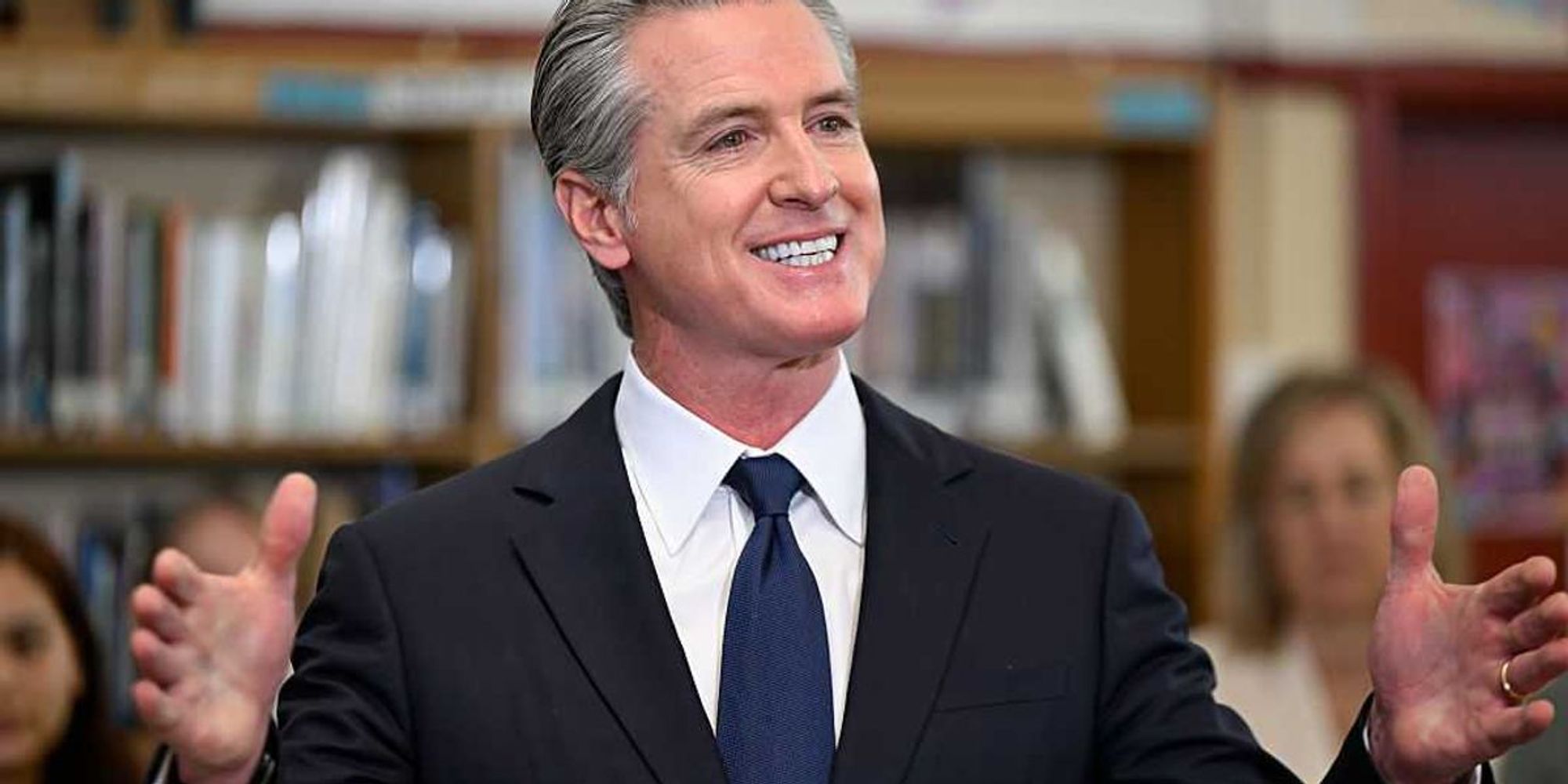
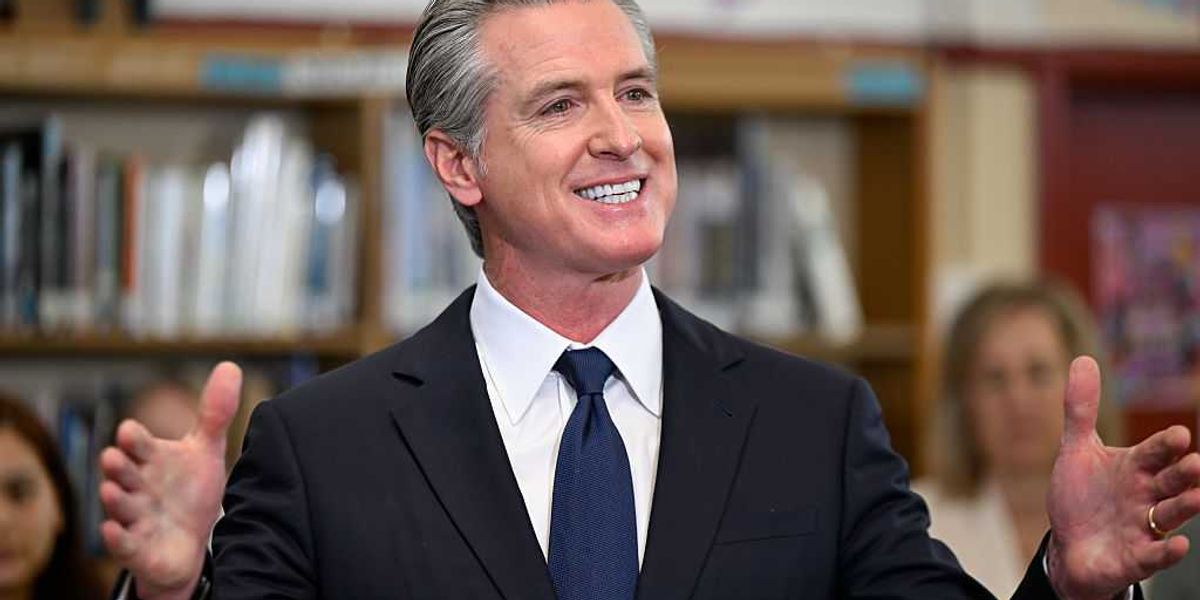
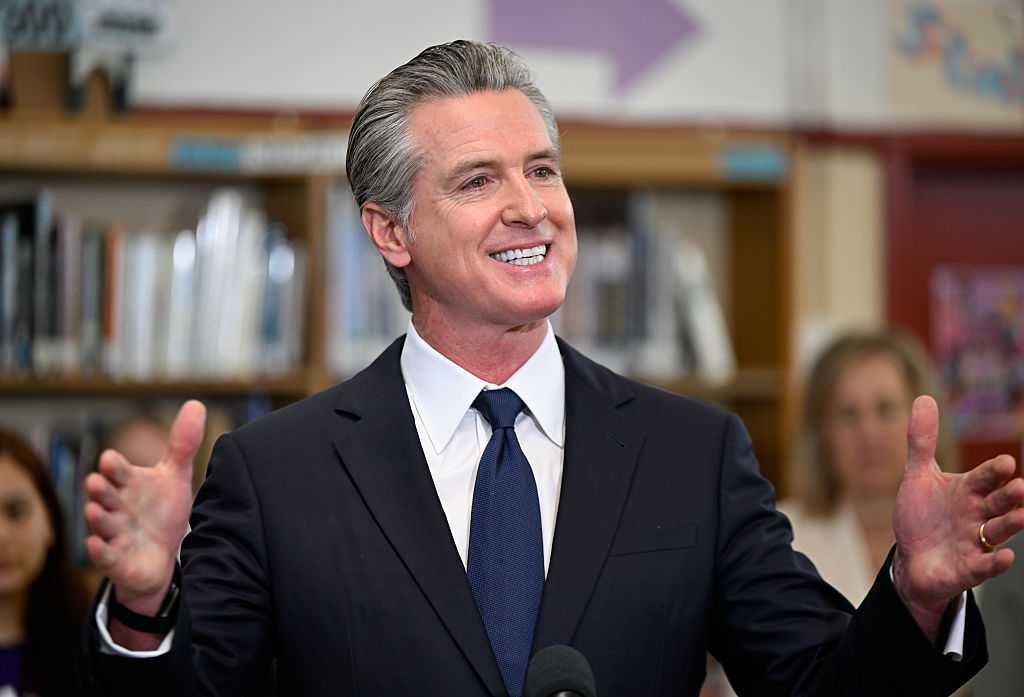
At the Munich Security Conference in February, California Gov. Gavin Newsom (D) suggested that once Donald Trump leaves office, things can return to normal — back to whatever existed before Trump.
While other Democrats eyeing the White House struggled to distinguish themselves, Newsom revealed a different problem. They looked unready to lead. He looked unwilling to lead at all.
The question isn’t whether Donald Trump disrupted a prior equilibrium. It’s whether those who seek to lead are prepared to lead amid friction, scarcity, and opposition.
Munich isn’t a campaign stop. It’s a security summit. Leaders gather there to talk about cyber warfare, artificial intelligence in military systems, energy instability, supply chain fragility, and the security posture of the West.
Threats don’t wait for electoral cycles.
Newsom’s implication was simple: Wait this out. Wait for a different administration. Wait for political alignment. Wait for conditions to improve.
But what, exactly, are we waiting for?
Are adversaries pausing their ambitions until our politics settle? Are supply chains stabilizing on their own? Does instability take a sabbatical while we sort out elections?
California sits on enormous capacity that intersects directly with these challenges — from artificial intelligence to aerospace to energy systems. If it were its own nation, its economy would rank among the largest in the world.
In that room, Newsom had a chance to say something simple: We can help today.
He could have said: We have political frictions, yes — but here’s what California can put on the table right now. Here’s what’s on the showroom floor and what’s in the stockroom.
Leadership doesn’t wait for better conditions. It works with the conditions at hand. That isn’t political. It’s true.
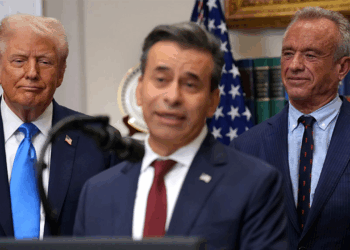
Trump has faced headwinds since re-entering politics in 2015: media opposition, legal battles, congressional resistance, impeachments, cultural hostility — even a bullet. Whatever one thinks of his tone or policies, he didn’t suspend action until the pressure eased.
Resistance didn’t become an excuse.
George Washington didn’t wait for favorable conditions before leading a fragile Continental Army. He faced shortages, division, and superior opposition. Conditions were rarely ideal. Resources were rarely sufficient. He acted anyway.
Entrepreneurs launch in recessions. Athletes train in bad weather. Reformers work when opposition is loudest.
Adversity doesn’t excuse stagnation so much as it reveals character.
Years ago, I knew a pastor who believed his preaching would rise once he moved into a larger sanctuary. His pitch to the building committee was brazen and simple: “Frame me better, and my sermons will improve.”
They didn’t. His messages were weak before the new building, and they stayed weak afterward. The platform changed. The man did not.
Conditions don’t create conviction. They reveal it.
RELATED: I walked away from California Democrats to keep my sanity
 Photo by Julia Beverly/WireImage
I see the same instinct in family caregivers walking through chronic impairment: “We just have to hold on.” “Once this season passes.”
The assumption stays the same: When hardship lifts, life begins.
But for many, this is the life.
Waiting for better conditions is surrender, not strategy.
The apostle Paul wrote large portions of the New Testament from prison. Confinement didn’t suspend his calling. Chains weren’t an excuse. He didn’t wait for a “new Caesar.” He wrote anyway.
That’s the dividing line.
One posture says: Once the obstacle is removed, I’ll begin.
The other says: I’ll begin here. Now.
Newsom’s remarks reveal more than a political calculation. They expose a familiar instinct: the belief that productivity begins once hardship fades. But adversity rarely fades on schedule.
History doesn’t pause. Adversaries don’t pause. Life doesn’t pause.
The question isn’t whether Trump disrupted a prior equilibrium. It’s whether those who seek to lead are prepared to lead amid friction, scarcity, and opposition — or whether they are waiting for a version of normal that isn’t coming back.
Leadership shows up in the arena — or on the battlefield — but rarely in the green room.