For many Catholics, the spiritual intensity of Lent culminates in a familiar and beloved devotion: the Stations of the Cross. Throughout the forty days, we walk with Christ from His condemnation to His burial, meditating on the suffering through which our redemption was won.
But once Easter arrives, many of those Lenten devotions quietly disappear. The Stations of the Cross are packed away. Our fasting ends. The rhythm of prayer that carried us through Lent often fades as life resumes its usual pace. And yet the Church gives us fifty full days to celebrate Easter—far longer than the forty days of Lent itself.
The question is simple: how can we live those fifty days more intentionally?
One beautiful answer is found in a devotion that many Catholics have never encountered: the Stations of the Resurrection, also known as the Via Lucis, or the “Way of Light.”
Just as the Stations of the Cross guide us step by step through Christ’s Passion, the Stations of the Resurrection invite us to walk with the risen Lord through the events that followed Easter morning. They begin with the empty tomb and continue through Christ’s appearances to His disciples, ultimately culminating in Pentecost.
In other words, they help us meditate on the full story of Easter.
For centuries, Catholic spirituality placed enormous emphasis—rightly—on Christ’s suffering and sacrifice. The Cross stands at the center of our Faith. Yet the Resurrection is not simply the happy ending to Good Friday. It is the decisive victory over sin and death, the moment when Christ’s triumph begins transforming the world. The Via Lucis invites us to linger in that victory.
The devotion typically consists of fourteen stations, mirroring the number found in the Stations of the Cross. Though the exact set of stations may vary slightly, the most common form includes the following moments from the Resurrection narratives:
The First Station: Jesus Rises from the Dead
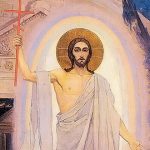
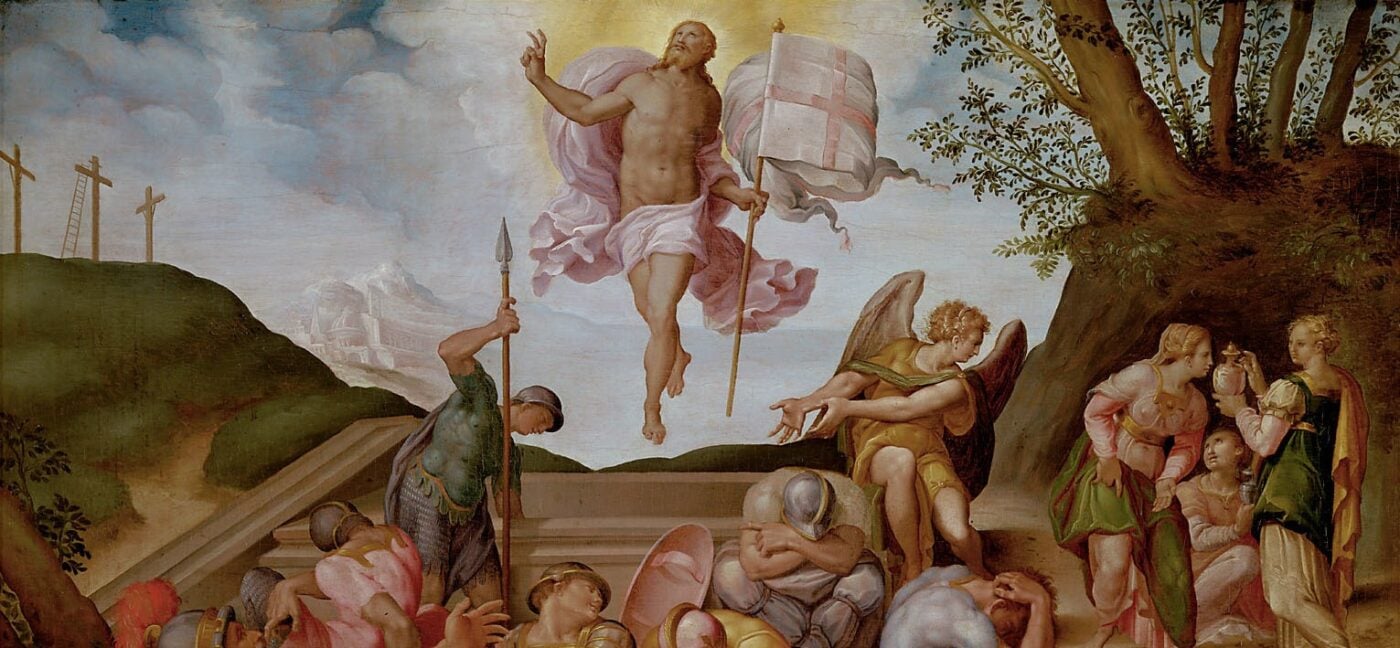
The Way of Light begins where the Passion ended—with the victory of Christ over the grave. The Resurrection is the foundation of Christian hope and the promise that death does not have the final word.
The Second Station: The Disciples Find the Empty Tomb
The women who come to anoint the body discover the stone rolled away. Confusion gives way to wonder as the first sign appears that something extraordinary has taken place.
The Third Station: The Risen Lord Appears to Mary Magdalene
At first she mistakes Him for the gardener, but when Christ calls her by name, she recognizes Him. This moment reminds us that the risen Lord knows each of us personally.
The Fourth Station: Jesus Walks with the Disciples on the Road to Emmaus
Two discouraged followers leave Jerusalem, unaware that Christ Himself is walking beside them. As He opens the Scriptures, their hearts begin to burn with renewed faith.
The Fifth Station: Jesus Is Recognized in the Breaking of the Bread
At Emmaus, the disciples finally recognize Christ when He breaks bread at the table. The moment foreshadows the Eucharist, where the risen Lord continues to reveal Himself to the Church.
The Sixth Station: Jesus Appears to the Apostles
Christ enters the locked room where the apostles hide in fear and greets them with the words, “Peace be with you.” His presence transforms fear into courage.
The Seventh Station: Jesus Gives the Apostles the Power to Forgive Sins
Breathing the Holy Spirit upon them, Christ commissions the apostles to forgive sins. In this moment, the sacrament of reconciliation begins to take shape within the life of the Church.
The Eighth Station: Jesus Strengthens the Faith of Thomas
Doubting Thomas refuses to believe without seeing. Christ responds not with condemnation but with mercy, inviting him to touch the wounds that prove the reality of the Resurrection.
The Ninth Station: Jesus Appears by the Sea of Tiberias
The apostles return to fishing, uncertain about what lies ahead. The risen Christ meets them in their ordinary work and fills their nets with fish.
The Tenth Station: Jesus Forgives Peter and Entrusts Him with the Flock
After Peter’s threefold denial during the Passion, Christ invites him to affirm his love three times. With mercy and trust, Jesus commissions Peter to shepherd His people.
The Eleventh Station: Jesus Sends the Apostles into the World
Before His Ascension, Christ commands His followers to proclaim the Gospel to every nation. The mission of the Church begins here.
The Twelfth Station: Jesus Ascends into Heaven
The risen Lord returns to the Father, promising that His presence will remain with His followers even though they no longer see Him.
The Thirteenth Station: Mary and the Apostles Wait in Prayer
Gathered in the Upper Room, the disciples persevere in prayer with Mary as they await the gift Christ promised.
The Fourteenth Station: The Holy Spirit Descends at Pentecost
The journey concludes with the birth of the Church. Filled with the Holy Spirit, the apostles go forth to proclaim the risen Christ to the world.
Taken together, these scenes form a kind of spiritual journey—a path from confusion and grief to faith and mission.
Consider the experience of the first disciples. On Good Friday, everything they believed seemed shattered. Their teacher had been executed. Their hopes appeared buried with Him in the tomb. Then, slowly and mysteriously, the Resurrection began revealing itself.
At first there was uncertainty. Mary Magdalene mistook Jesus for the gardener. The disciples on the road to Emmaus walked beside Him without recognizing Him. Even the apostles in the Upper Room struggled with doubt and fear.
The Resurrection did not instantly erase their confusion. Instead, Christ patiently met them where they were, revealing Himself step by step. The Stations of the Resurrection allow us to reflect on that gradual transformation. And that transformation looks remarkably familiar.
Many Catholics today experience moments that echo the disciples’ journey. We believe, yet sometimes struggle with doubt. We encounter Christ in prayer and the sacraments, yet often fail to recognize His presence in our daily lives. Like the apostles, we can move between fear and faith, hesitation and hope. The Via Lucis reminds us that the risen Christ meets us in those moments.
Each station becomes an invitation to see how the Resurrection continues unfolding in our own lives. When we meditate on Christ calling Mary Magdalene by name, we are reminded that He calls each of us personally. When we reflect on the road to Emmaus, we see how Christ accompanies us even when we feel lost or discouraged. When we meditate on the Upper Room, we remember that the peace Christ offered His frightened apostles is the same peace He offers us today.
Thus the devotion shifts our focus from sorrow to mission. During the Stations of the Cross, we contemplate Christ’s suffering love. During the Stations of the Resurrection, we contemplate what that love accomplishes. The risen Christ does not simply console His followers—He sends them out.
“Peace be with you,” He tells them. “As the Father has sent me, so I send you.”
Those words echo throughout the Easter season. The Resurrection is not only about Christ rising from the dead. It is about the birth of the Church and the beginning of the apostles’ mission to the world. The Via Lucis helps us see ourselves within that mission.
Another reason the Stations of the Resurrection are so valuable is that they restore balance to our spiritual imagination. Catholics are often very comfortable meditating on suffering. We understand sacrifice, penance, and perseverance through trials. But joy can be harder to sustain.
The Easter season calls us to rejoice—not just on Easter Sunday but for fifty days. Yet many of us return to ordinary routines so quickly that the celebration fades almost immediately. The Via Lucis encourages us to dwell in the joy of the Resurrection longer than we might otherwise. By reflecting regularly on the risen Christ—His victories, His appearances, His promises—we allow the reality of Easter to sink more deeply into our hearts.
Praying the Stations of the Resurrection is also remarkably simple. They can be prayed in a church, at home, or even outdoors while walking. Some parishes display images of the stations during the Easter season, while others provide simple printed reflections.
Families can pray them together. Individuals can incorporate them into personal prayer. Some Catholics choose to pray one station each day during the Easter season, while others pray all fourteen at once in a manner similar to the Stations of the Cross. However they are prayed, the goal is the same: to walk with the risen Christ. And perhaps that is the greatest gift of the Via Lucis.
After the solemnity of Lent and the emotional intensity of Holy Week, we sometimes forget that the story did not end at the tomb. In fact, the most transformative part of the story was just beginning. Christ was alive, and His presence would change the world through ordinary people who had once been afraid.
The same risen Lord walks with us today. The Easter season gives us fifty days to rediscover that truth—to move from the shadow of the Cross into the light of the Resurrection.
The Stations of the Resurrection offer a simple path for making that journey. If you have never prayed them before, this Easter may be the perfect time to begin.
Walk the Way of Light. Reflect on the moments when Christ revealed Himself to His followers. Listen again to His words of peace, His call to faith, and His command to carry the Gospel into the world.
Because Easter is not just a day we celebrate.
It is a reality we are invited to walk in.
Image from Wikimedia Commons