Energy cooperation with Pakistan would allow the United States to counter China’s influence and support climate resilience in South Asia.
For decades, the United States played a quiet but important role in building Pakistan’s energy infrastructure. American support contributed to major hydropower projects such as the Mangla and Tarbela dams and helped strengthen the country’s power transmission systems. Those efforts supported Pakistan’s early industrial development and shaped the structure of its electricity sector.
Today, the focus of cooperation is shifting. Climate change, rising energy demand, and technological advances in renewable power are pushing both countries toward a different model of energy partnership. Clean energy cooperation now offers Washington an opportunity not only to support Pakistan’s energy transition but also to strengthen its strategic presence in South Asia at a time when infrastructure investment has become an important arena of geopolitical competition.
The centrepiece of this emerging framework is the US–Pakistan Green Alliance. Launched in 2022, the initiative seeks to expand cooperation in renewable energy, climate resilience, and sustainable development. The partnership brings together government agencies, research institutions, and private-sector actors to promote renewable energy investment, strengthen electricity grids, and support climate adaptation efforts. In practice, the alliance focuses on technology transfer, research collaboration, and financing mechanisms that can accelerate Pakistan’s transition toward cleaner and more reliable energy systems.
Pakistan’s Energy Challenge
Pakistan’s electricity sector continues to face structural problems that constrain economic growth. Rapid urbanization and industrial expansion have increased demand for electricity, while outdated infrastructure and transmission losses have limited the system’s ability to meet that demand reliably.
Power shortages and high electricity costs have discouraged investment and slowed industrial activity. Businesses often rely on backup generators to maintain production, increasing operating costs and reducing competitiveness.
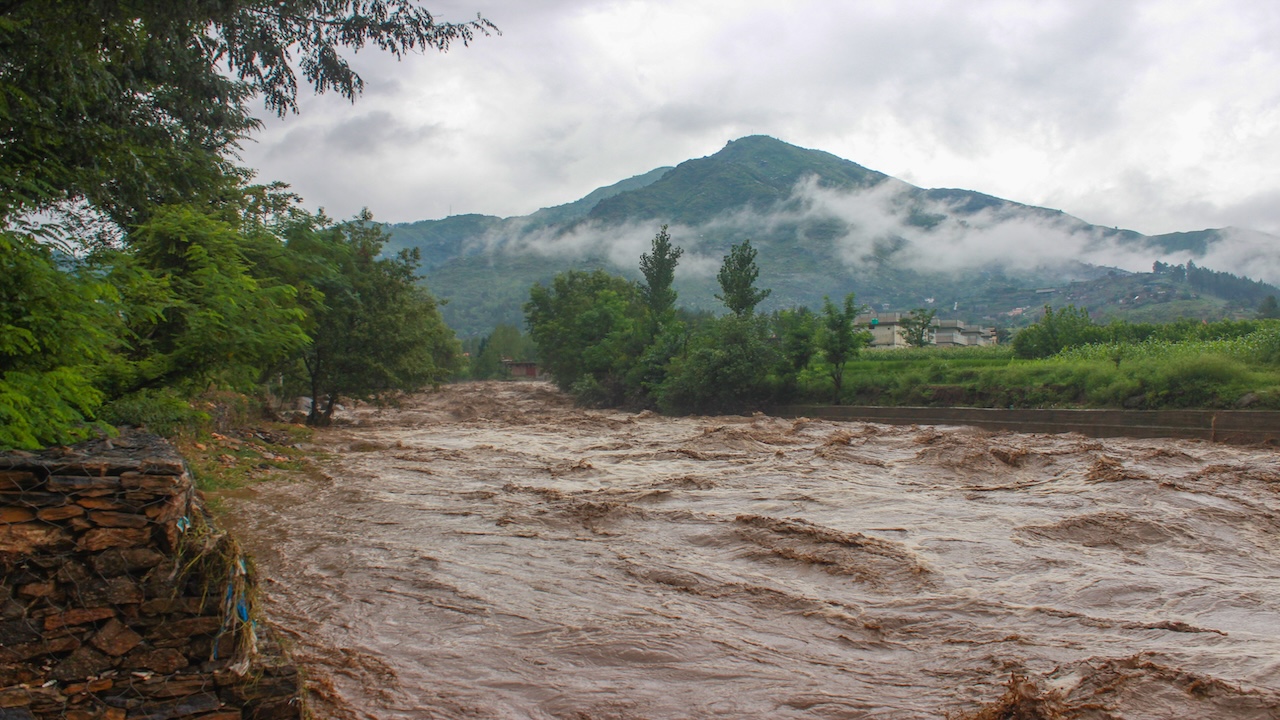
Climate change is intensifying these challenges. Pakistan has experienced increasingly frequent floods, droughts, and heat waves in recent years, events that strain water resources and damage energy infrastructure. These pressures make it essential for the country to diversify its sources of electricity and improve the resilience of its power system.
Pakistan has therefore set a goal of generating 60 percent of its electricity from renewable sources by 2030. Achieving that objective will require significant expansion of solar and wind energy as well as major improvements in electricity transmission networks.
Solar Power and Energy Diversification
Solar energy has become a central element of Pakistan’s long-term energy planning. The country receives abundant sunlight throughout the year, particularly in the provinces of Sindh and Balochistan. These geographic conditions create favourable opportunities for large-scale solar generation.
Falling costs for photovoltaic technology have also made solar power increasingly attractive. Solar farms and rooftop installations are expanding across Pakistan as businesses and households seek more reliable electricity sources.
For export-oriented industries and special economic zones, a dependable power supply is essential. Decentralized solar generation is therefore becoming an important tool for stabilizing electricity access and improving industrial competitiveness.
American companies could play a meaningful role in this transition. US firms remain leaders in solar technology, battery storage systems, and grid management technologies. Cooperation through the Green Alliance could facilitate investment, technology transfer, and technical expertise needed to expand renewable energy capacity.
Climate Change and the Limits of Hydropower
Hydropower has historically provided a large share of Pakistan’s electricity. However, environmental changes are beginning to complicate reliance on water-based energy generation.
Melting Himalayan glaciers and shifting monsoon patterns are altering river flows that feed Pakistan’s reservoirs. These changes introduce greater uncertainty into hydropower production, particularly during periods of drought or irregular rainfall.
Expanding solar and wind energy, therefore, provides an important hedge against these risks. A diversified energy mix would allow Pakistan to maintain stable electricity generation even as environmental conditions become less predictable.
Climate Cooperation Beyond Energy
The Green Alliance also promotes cooperation in areas such as water management, sustainable agriculture, and climate adaptation. These sectors are closely connected to Pakistan’s economic stability.
Agriculture remains one of the country’s largest sources of employment. However, rising temperatures and shifting rainfall patterns are making farming conditions increasingly uncertain. Climate-smart agricultural practices—such as efficient irrigation systems and improved crop management—can help farmers adapt to these changing conditions.
Another important component of the alliance is workforce development. Research institutions and universities in both countries are working to expand training in renewable energy technology, environmental management, and sustainable infrastructure.
Strategic Implications for the United States
Energy cooperation with Pakistan carries broader strategic implications for the United States. Infrastructure investmenthas become an increasingly important element of geopolitical competition, particularly in developing regions.
China has significantly expanded its role in Pakistan’s energy sector through projects linked to the Belt and Road Initiative. Many of these initiatives have focused on large power plants and transportation infrastructure.
While these investments have helped address Pakistan’s energy shortages, they also highlight the growing strategic importance of infrastructure development. In this context, cooperation on renewable energy provides the United States with an opportunity to engage Pakistan in areas that support economic development while promoting transparent investment practices and technological innovation.
Strengthening energy cooperation could therefore contribute both to Pakistan’s economic stability and to a more balanced regional development landscape.
Policy Opportunities for US-Pakistan Cooperation
To translate this emerging partnership into meaningful progress, several policy initiatives deserve consideration.
First, financing mechanisms will be essential. Institutions such as the US International Development Finance Corporationcould expand support for renewable energy projects in Pakistan, particularly solar generation and battery storage infrastructure.
Second, deeper private-sector engagement could accelerate technological adoption. Encouraging investment from American renewable energy firms would help deploy advanced solar technologies and smart-grid systems across Pakistan’s electricity network.
Third, expanding research partnerships between universities and technical institutions in both countries could strengthen workforce development and support innovation in renewable energy technologies.
Together, these initiatives could help turn climate cooperation into a practical driver of economic growth and technological collaboration.
Why the US-Pakistan Green Alliance Matters for Climate Change
The shift from traditional infrastructure projects toward renewable energy cooperation marks an important transition in US-Pakistan relations. The Green Alliance provides a framework through which both countries can address climate challenges while strengthening economic and strategic ties.
For Pakistan, expanding renewable energy offers a path toward greater energy security and sustainable economic development. For the United States, cooperation in clean energy represents an opportunity to reinforce its role as a partner in regional development at a time when infrastructure investment has become a central feature of international competition.
As climate change reshapes global energy systems, partnerships built around technological innovation and sustainable development are likely to become increasingly important. The emerging era of US–Pakistan energy cooperation suggests that climate diplomacy can serve not only environmental goals but also broader strategic interests in South Asia.
About the Author: Saima Afzal
Saima Afzal is an independent and freelance researcher specializing in South Asian security, counter-terrorism, the Middle East, Afghanistan, and the Indo-Pacific region. Her work focuses on geopolitical developments, strategic affairs, and regional conflict dynamics. She holds an M. Phil in Peace and Conflict Studies from the National Defence University, Islamabad, Pakistan.