The Middle East conflicts that the administration thought it had resolved are still simmering, and without sustained US attention, these victories may be transformed into defeats.
The Donald Trump administration has achieved notable successes in asserting American dominance on the world stage, and it is likely to shift its focus even more to foreign policy as we approach the midterm elections. However, those achievements are already outpacing the capacity of the administration’s tactical approach to deal-making. In the latest policy brief from the Center for the National Interest (CFTNI), Senior Fellow Joshua Yaphe takes a look at the foreign policy challenges that lie ahead.
The White House would prefer to avoid anything that remotely resembles the long wars of Iraq and Afghanistan, and it has dismantled a large part of the bureaucracy that had accumulated from those conflicts. However, in many parts of the world, the administration will find that conflicts it thought were resolved are not. Washington will discover that some level of ongoing commitment is necessary, and the administration will have to reinvent the wheel for stabilization and reconstruction operations. This won’t be to justify a heavy US footprint in ongoing conflicts, but rather to subtly support our allies.
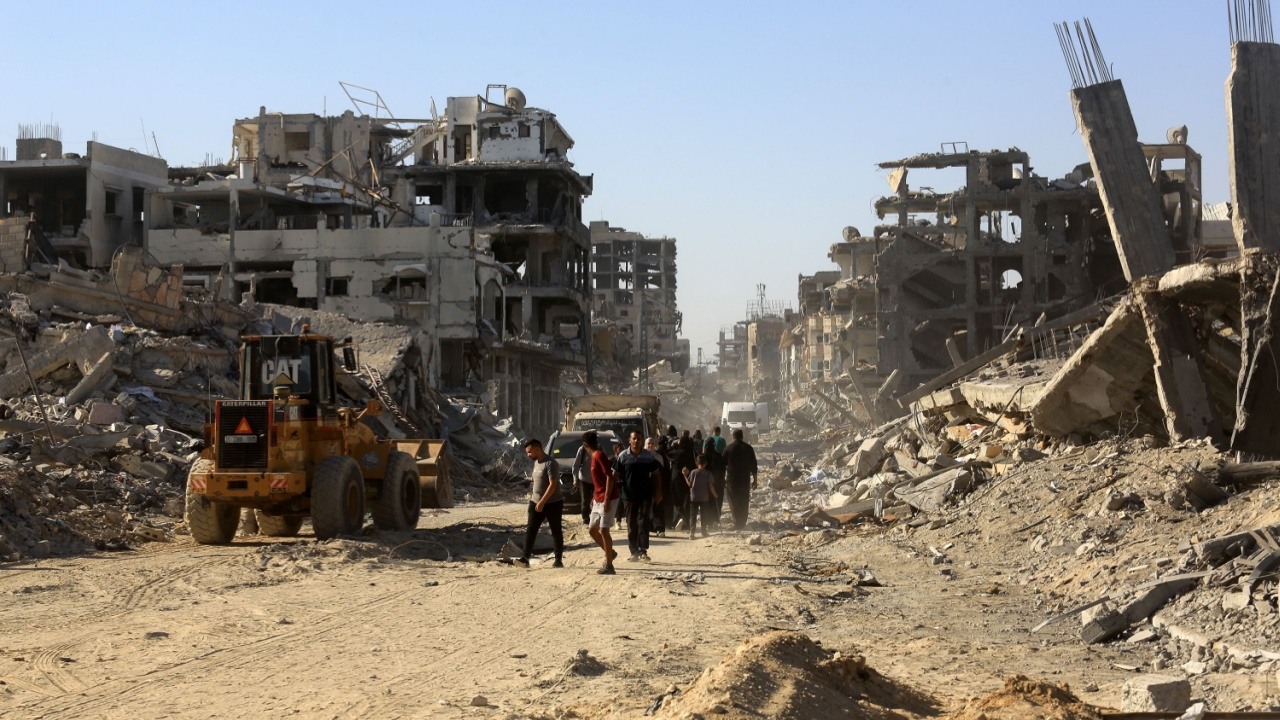
The White House will have to make compromises with its Arab and Israeli partners if it hopes to sustain a coalition for the reconstruction of Gaza. Washington should expect an element of chaos in any transition of power in Iran, and that messy reality must be incorporated into crisis planning now. Security reform in Syria has to take into account the fact that the interim government will be unable and unwilling to fully purge its ranks of extremist fighters. The Lebanese government will need a major intervention from international partners, beyond military assistance to the Lebanese Armed Forces, if it hopes to shift public support away from Hezbollah.
Some of the most fundamental lessons learned from Iraq and Afghanistan remain as relevant today as they were then. And the administration, to its credit, is clearly aware of the problems but unprepared to address them. It is in the Middle East that the ghosts of neoconservatism past will come to haunt the White House.
The full text of the report is available here.
For more CFTNI publications, see the website.
About the Author: Joshua Yaphe
Joshua Yaphe is a senior fellow at the Center for the National Interest. He was previously a senior analyst for the Arabian Peninsula at the US State Department’s Bureau of Intelligence and Research and visiting faculty at the National Intelligence University. He has a PhD in History from American University in Washington, DC, and is the author of two books. Saudi Arabia and Iraq as Friends and Enemies: Borders, Tribes and a History Shared is available in paperback from the University of Liverpool Press, and Time and Narrative in Intelligence Analysis: A New Framework for the Production of Meaning is available in a free, open-access digital version at the Routledge website.
The opinions and characterizations in this piece are those of the author and do not necessarily represent those of the US government.
Image: Anas-Mohammed / Shutterstock.com.