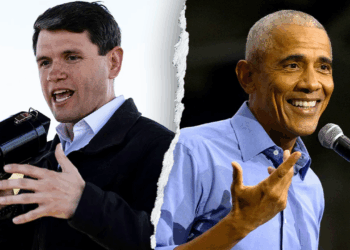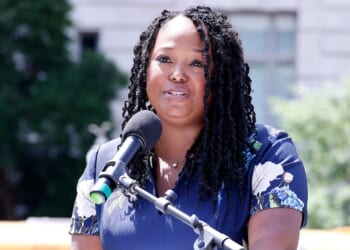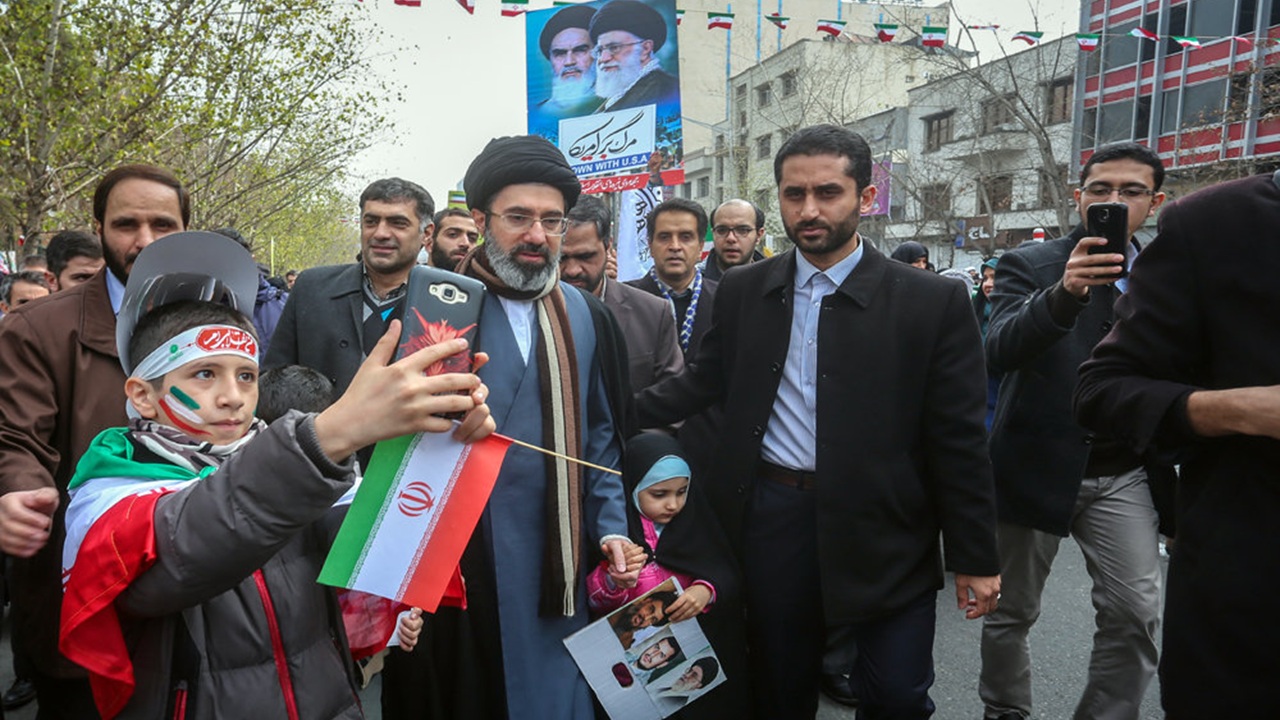
These eight men atop Iran’s leadership structure are likely to play an outsized role in the war against America and Israel.
The assassination of Supreme Leader Ali Khamenei on February 28 marked the latest chapter in Iran’s blood-soaked political history. In the week since, the war has continued, with President Donald Trump mulling the deployment of ground troops and vacillating on support for a Kurdish uprising in the northwest. Though the conflict could in principle end at any time, Trump has shown few signs of backtracking, and it is likely to continue for the foreseeable future.
Khamenei is far from the first Iranian leader to fall to assassination in the country’s post-1979 era. Before he became supreme leader in 1989, he rose to the presidency in 1981 when his predecessor, Mohammad-Ali Rajai, was killed in a bombing. Khamenei himself was the subject of an assassination attempt the same year; a bomb hidden in a tape recorder exploded next to him during a sermon, paralyzing his right hand for the rest of his life.
Eight days after Khamenei’s death, Iran’s Assembly of Experts, a group of senior clerics, appointed his son Mojtaba Khamenei as supreme leader. The younger Khamenei now inherits a nation at war, a restive population still seething from the massacre of protesters in January, and a security apparatus thoroughly penetrated by Israel’s Mossad and America’s Central Intelligence Agency. It remains to be seen whether he, or his contemporaries atop Iran’s theocratic political structure, will endure in the weeks and months to come.
Mojtaba Khamenei
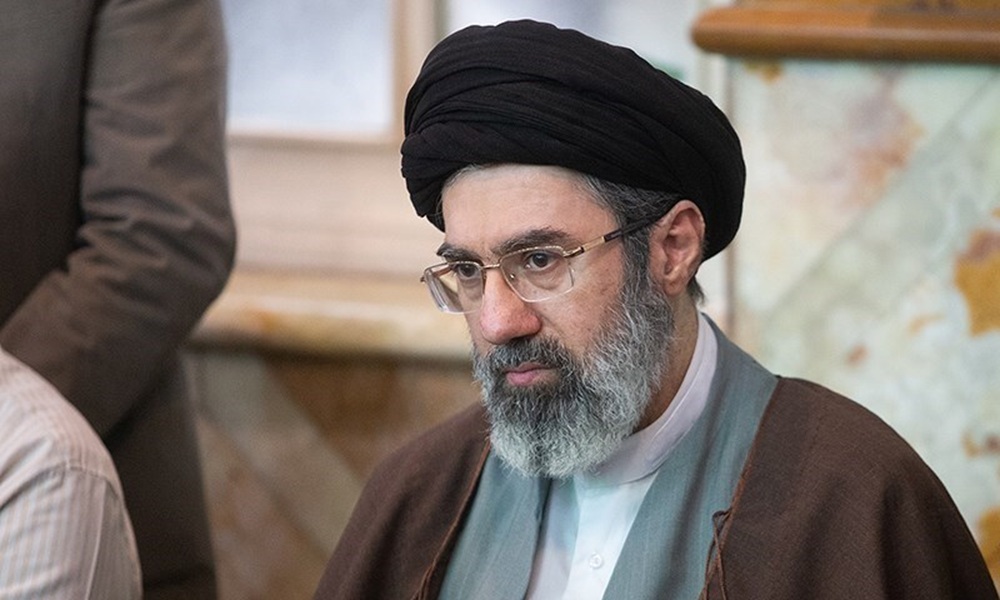
Iran’s state media announced on Monday morning that the Assembly of Experts had selected Mojtaba Khamenei, the most influential son of Ali Khamenei, to succeed his father as Iran’s supreme leader. The younger Khamenei is the third person to hold that office, after his father and Ruhollah Khomeini, who led Iran’s 1979 revolution and took power in its aftermath.
Though Khamenei is influential within Iran, relatively little is known about him. He rarely speaks or appears in public, and his primary occupation has been as a seminary teacher in Qom, a holy city in Shi’a Islam and the heart of Iran’s religious institutions. Unlike his father, he is qualified as an “ayatollah,” a source of emulation within Shi’a doctrine—which the elder Khamenei was not at the time of his accession to Iran’s highest post in 1989.
However, the younger Khamenei is far from a political novice. He is a longtime member of the Islamic Revolutionary Guard Corps and a veteran of the Iran–Iraq War. More infamously, he is also said to have taken personal command of the IRGC’s Basij internal security militia during Iran’s protest movement in 2009, leading to a crackdown and the deaths of dozens of students. Though the finer points of his political outlook are unknown, he is thought to be an archconservative—and was likely selected by the Assembly of Experts as a signal of stability and continuity with the policies of his father, in spite of the ongoing war.
Since the beginning of the war, the Iranian government has released written statements attributed to Khamenei. However, the new supreme leader has not been seen in public or released any video or audio messages to the nation. Rumors abound that he was gravely injured in the first day of strikes, and may not be in a position to lead during the war, meaning that his subordinates will continue to play crucial roles in Iran’s decision-making.
Masoud Pezeshkian
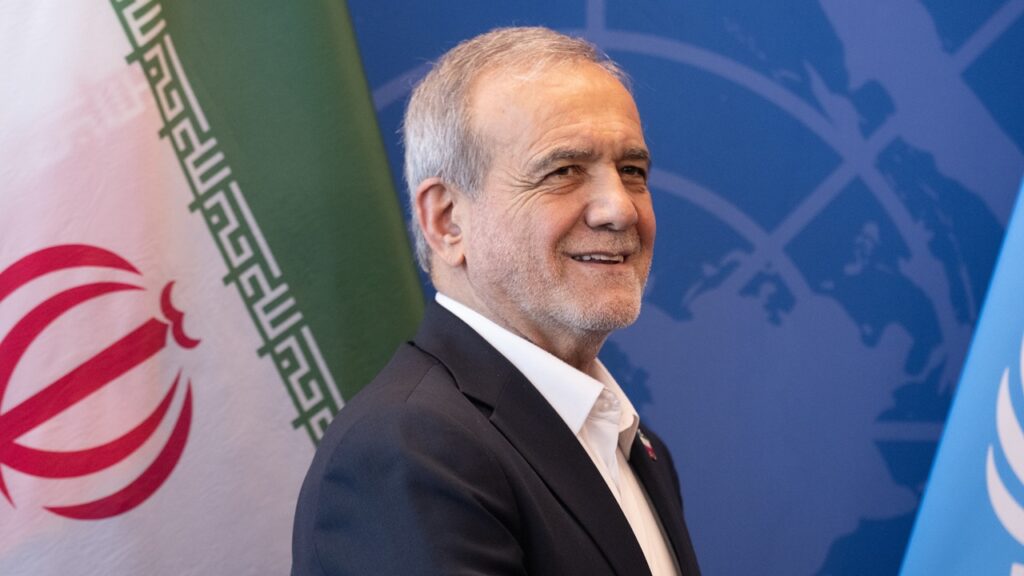
Masoud Pezeshkian is the current president of Iran, serving in that role since 2024. A medical doctor by training, he previously served as a member of Iran’s majlis (parliament) and as Minister of Health from 2001 to 2005 under reformist president Mohammad Khatami.
Pezeshkian is seen as a relative moderate within Iran’s theocratic system, and has sought limited engagement and accommodation with the West. However, he is also closely aligned with the IRGC, and had repeatedly defended the organization and its prerogatives prior to the war. Like the younger Khamenei, he is a veteran of the Iran–Iraq War, serving as a medic behind the front lines.
From February 28 through March 8, Pezeshkian led a transitional “Interim Leadership Council” alongside senior cleric Alireza Arafi and Iranian chief justice Gholam-Hossein Mohseni-Eje’i. Following Khamenei’s death, he was seen as Iran’s most obvious leader, but there was never any chance that he would become supreme leader due to his lack of religious credentials. His current position of authority is somewhat dubious. After the war began, IRGC commanders began to independently launch missile strikes against Iran’s Gulf neighbors, who had not been a party to the conflict; Pezeshkian issued an apology for these strikes, but the IRGC appears to have continued them anyway.
Alireza Arafi
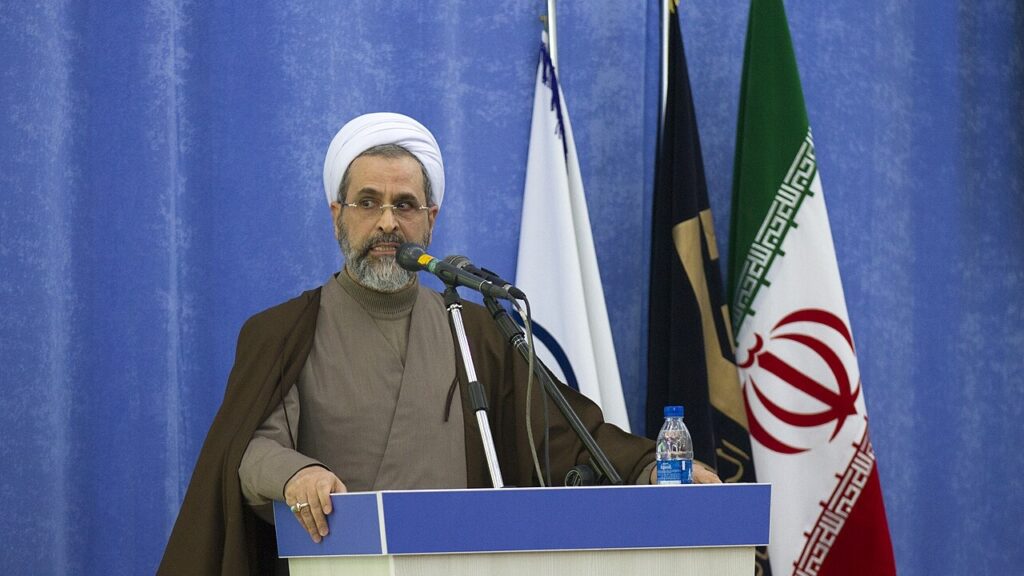
Alireza Arafi is a senior Iranian cleric. He serves on both the Assembly of Experts, the 88-member body that chose the younger Khamenei to succeed his father, and the 12-member Guardian Council, a powerful group of clerics that reviews legislation from the majlis and oversees the country’s electoral system. Arafi also leads Iran’s network of Shi’a seminaries (hawzas), giving him authority over its ideological orientation and allowing him to elevate chosen clerics for service in Iran’s political and judicial institutions.
Arafi is seen as a conservative within Iran’s political system. He was seen as a possible successor to Khamenei, and was appointed to the three-member Interim Leadership Council, alongside Pezeshkian and Mohseni-Eje’i.
Gholam-Hossein Mohseni-Eje’i
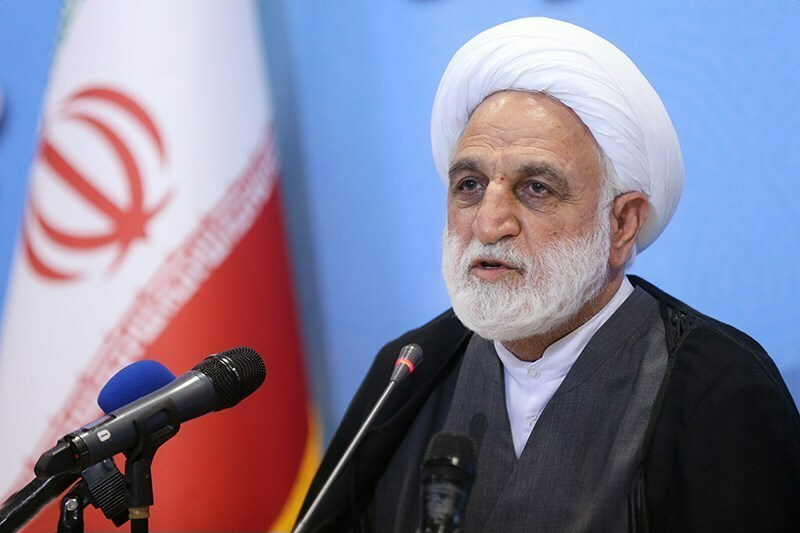
Gholam-Hossein Mohseni-Eje’i has served as Iran’s chief justice since 2021. He was previously a seminarian in Qom, as well as Minister of Intelligence from 2005 until 2009 under former president Mahmoud Ahmadinejad. He became chief justice after Ebrahim Raisi, his immediate predecessor, won Iran’s 2021 presidential election—highlighting the close connection between Iran’s judiciary and its political system and perhaps hinting at his own future.
As chief justice, Mohseni-Eje’i oversees Iran’s court system. Under his tenure, Iran has remained the world’s most prolific user of capital punishment, executing 972 prisoners in 2024 and around 1,500 in 2025. Mohseni-Eje’i also played a major role in seeking retribution for the January protests—directing prosecutors to show “no leniency” against captured demonstrators and to charge them with moharebeh, a religious offense roughly translated as “waging war against God” that carries the death penalty. It is unknown how many prisoners were executed in Iran in January and February of this year.
Unsurprisingly, Mohseni-Eje’i is regarded as an arch-conservative within Iran’s political system. He served on the Interim Leadership Council with Pezeshkian and Arafi, and was seen as a potential successor to Khamenei, though not a likely one.
Mohammad Bagher Ghalibaf
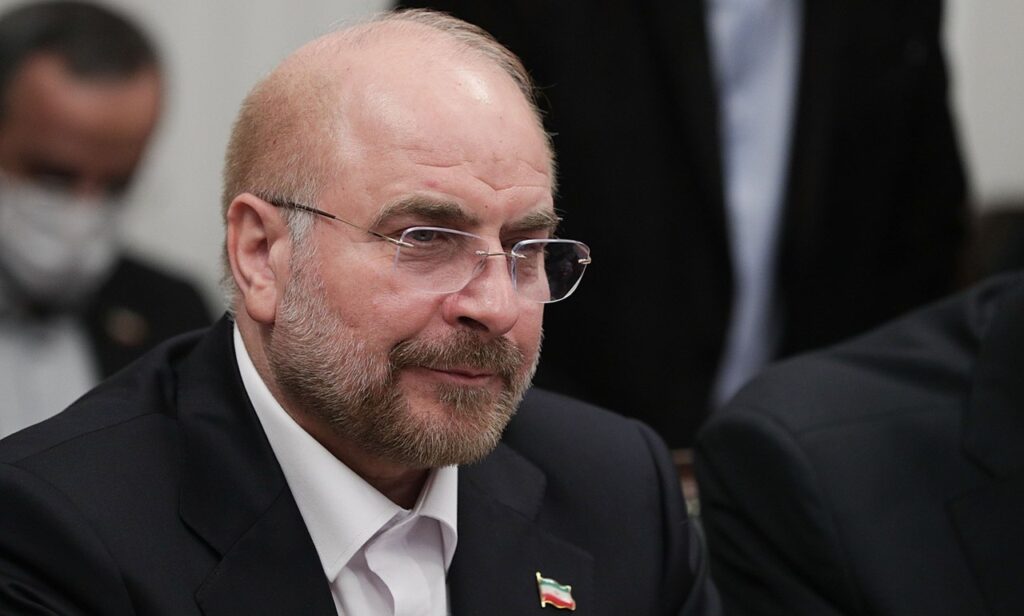
Mohammad Bagher Ghalibaf is the speaker of Iran’s majlis. He had previously served as mayor of Tehran from 2005 until 2017, and ran for president in 2017 and 2024, losing both times.
Ghalibaf is regarded as a “principlist,” or conservative hardliner, within Iran’s political system. He joined the IRGC during the Iran-Iraq War and rose through the ranks, eventually serving as the commander of its air force from 1996 to 2000. During his tenure as Tehran’s mayor, Ghalibaf attracted praise for launching large-scale infrastructure projects, though he was criticized for his perceived tolerance of, if not profit from, high-level corruption.
Ghalibaf was considered to be a close associate of the elder Khamenei, and steered the majlis as the supreme leader requested. Although he lacks religious credentials, his longtime association with the IRGC and his role at the head of the majlis make him one of the most powerful figures in Iran today.
Ali Larijani
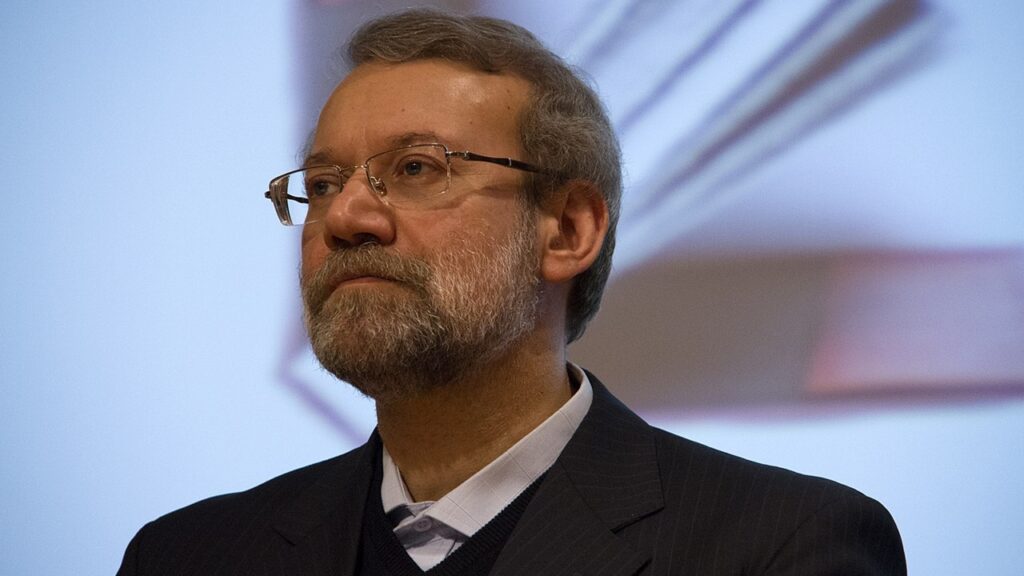
Ali Larijani is the secretary of Iran’s Supreme National Security Council, a body that oversees Iran’s national security strategy. He also served as Ghalibaf’s predecessor as parliament speaker.
Larijani is a principlist in ideology and has a longtime association with the IRGC. He joined in 1981 and fought in the Iran-Iraq War, eventually rising to the rank of brigadier general. After the war, he led Iran’s IRIB state-run broadcaster from 1994 to 2004 and pursued an unsuccessful presidential run in 2005.
As Iran’s security chief, Larijani played a leading role in the crackdown against protesters in January—a role for which he was sanctioned by the US Treasury Department, which accused him of “coordinating” the use of force against demonstrators. Western commentators noted at the time that Larijani’s anti-American stance was particularly ironic given that his daughter held a faculty position at the medical school of Emory University in Georgia; she was dismissed soon afterwards.
On March 17, Israel claimed to have killed Larijani in an overnight airstrike. There has been no independent confirmation of his death, and Iranian state media has not yet made a statement on the issue.
Ahmad Vahidi
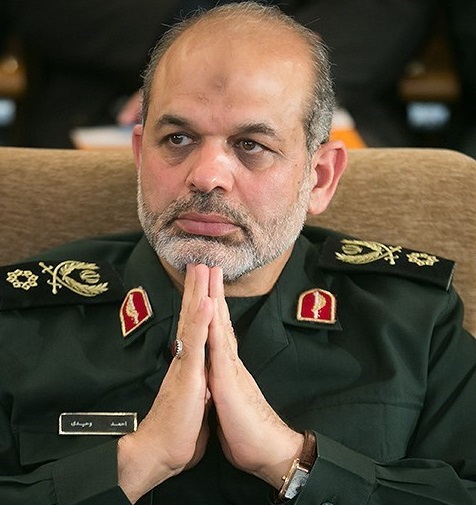
Brigadier Gen. Ahmad Vahidi is the current leader of the Islamic Revolutionary Guard Corps. He assumed that role on March 1, following the assassination of his predecessor, Maj. Gen. Mohammad Pakpour, in the initial round of US-Israeli strikes on February 28.
Vahidi is a longtime Iranian military officer. He joined the IRGC in 1979, at its founding, and served with distinction in the Iran–Iraq War. He is also a longtime veteran of the Quds Force, the external operations arm of the IRGC. In the Quds Force, Vahidi is thought to have played a leading role in Iran’s 1994 bombing of the AMIA Jewish community center in Buenos Aires, Argentina, killing 85 people. He has been wanted by Interpol since 2007 in connection to the AMIA bombing, and was blacklisted by the US government in 2010.
As head of the IRGC, Vahidi has operational responsibility for Iran’s ongoing war against the United States and Israel. Not coincidentally, he is also likely to be their foremost target in the weeks ahead. Israel has pursued IRGC leaders with remarkable zeal; before it killed Pakpour, it also assassinated his predecessor, Maj. Gen. Hossein Salami, during the “Operation Rising Lion” strikes in June 2025. Given this history, and Israel’s particular interest in him due to his connection to the AMIA bombing, Vahidi may find it helpful to prepare a successor as quickly as possible.
Esmail Qaani
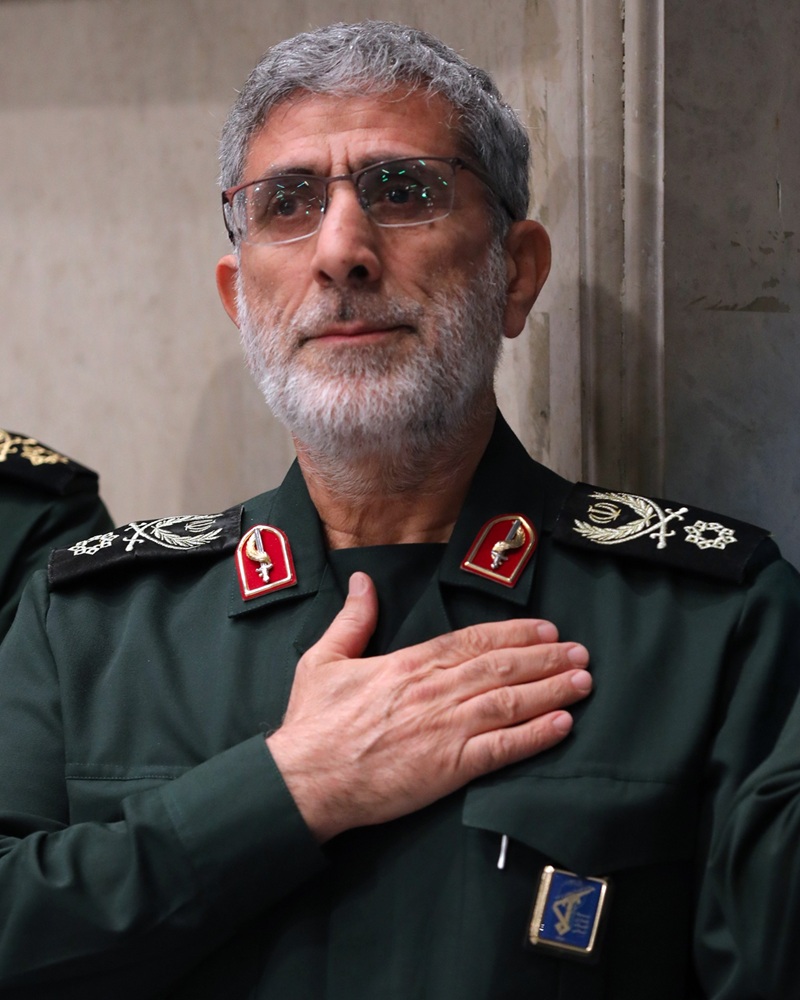
Esmail Qaani is the leader of the IRGC’s Quds Force unit. He succeeded longtime commander Qassem Soleimani in that role after the latter’s assassination under the first Trump administration in January 2020.
A longtime member of the IRGC, Qaani fought in the Iran–Iraq War and rose through the ranks. After the war, he joined the Quds Force and was involved in its operations in Afghanistan and Pakistan. In that role, he oversaw aid to Afghanistan’s Northern Alliance during its fight against the Taliban from 1996 to 2001—briefly putting him on the same side as the United States. He later aided Soleimani in operations to Iran’s west, including in Syria.
Qaani’s current whereabouts are unknown, and he has not been heard from since the start of the war. In 2024, after the decimation of Hezbollah in a war with Israel, Qaani reportedly came under suspicion for security breaches within the IRGC, and was allegedly questioned by its leadership on suspicion of acting as an Israeli spy. After the outbreak of the most recent conflict, rumors abounded that Qaani had been executed by the IRGC, although there has been no confirmation of this.
About the Author: Trevor Filseth
Trevor Filseth is the defense and national security managing editor at The National Interest. His work has also appeared in 19FortyFive, The Diplomat, Al-Hurra TV, and the Gulf International Forum.