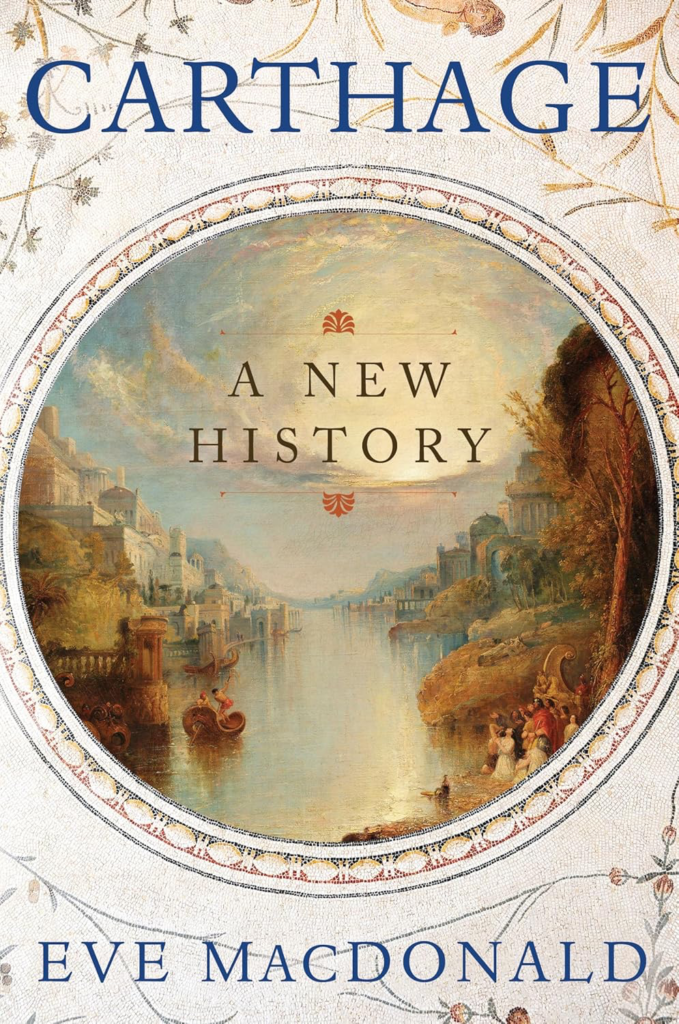
Carthage: A New History, by Eve MacDonald (W. W. Norton): Carthage, located in modern-day Tunisia, is largely known for its titanic—and ultimately fatal—struggle with Rome for mastery of the Mediterranean in the third century B.C. So complete was Carthage’s obliteration by Rome in 146 B.C. that the history of this once-thriving, highly literate metropolis remains obscure and must be reconstructed from oblique references scattered in Greek and Roman sources and from an oftentimes incomplete archaeological record. In her admirable new history of Carthage, Eve MacDonald brings this highly sophisticated civilization back to life, from the city’s founding by the Phoenicians in the late ninth century B.C. to its destruction—Carthago delenda est—by the legions some seven centuries later. There is much to discover along the way: who knew that the first attested mention of gorillas comes from the travel journal of the fifth-century Carthaginian explorer Hanno, who sailed down the coast of Africa to modern-day Cameroon and mistook the beasts for an exceedingly hairy tribe called the “Gorillai” people? For a fuller appraisal of Carthage: A New History, be on the lookout for Barry Strauss’s review in a forthcoming issue of The New Criterion. —AG

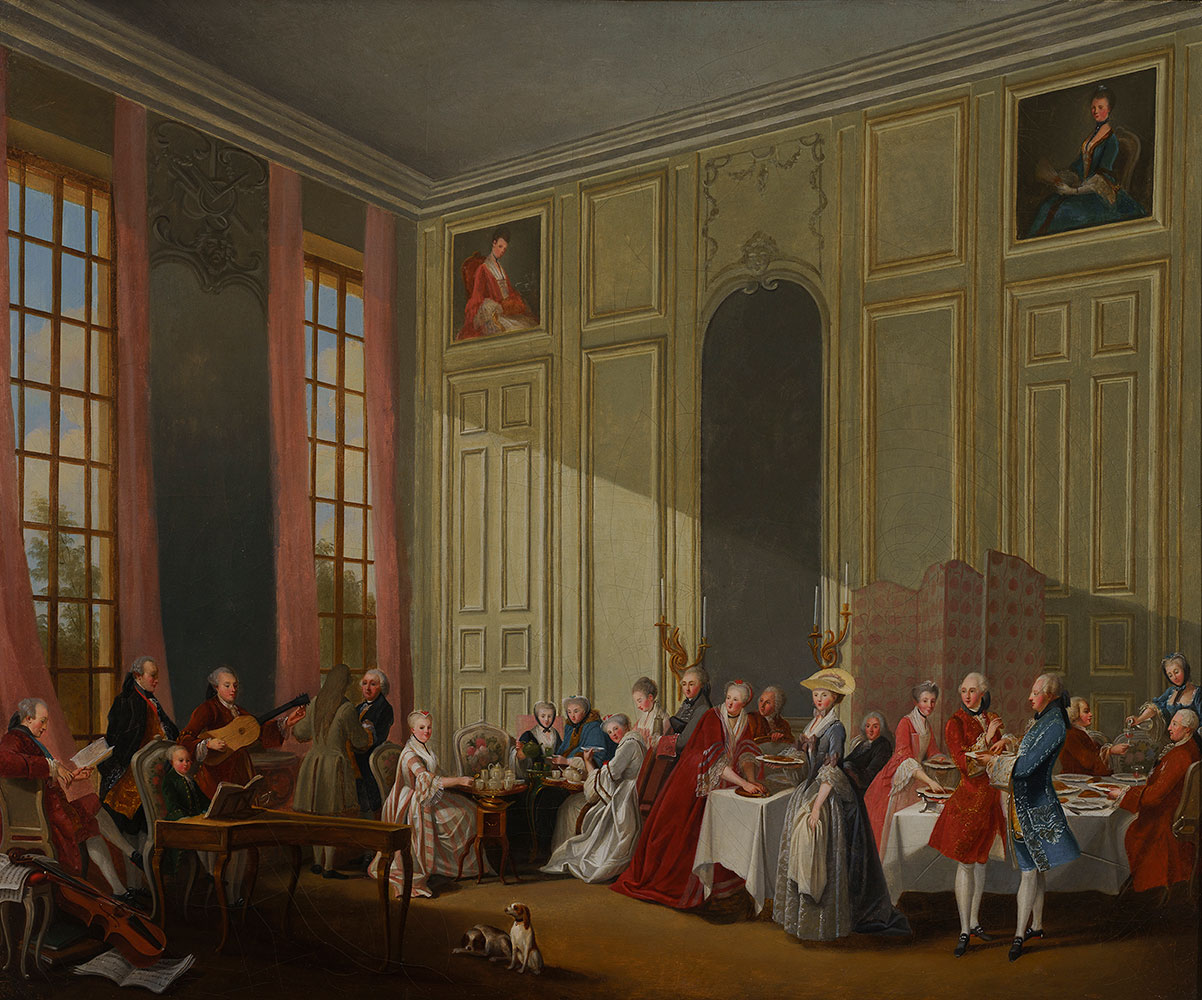
“Wolfgang Amadeus Mozart: Treasures from the Mozarteum Foundation of Salzburg,” at the Morgan Library & Museum (March 13–May 31): Opening this Friday at the Morgan Library, “Wolfgang Amadeus Mozart: Treasures from the Mozarteum Foundation of Salzburg” presents a singular loan exhibition from the haus that Wolfgang built. Featuring objects from Mozart’s life on view stateside for the first time, the exhibition will include the composer’s clavichord and violin as well as portraits, letters, and other personal effects combined with the Morgan’s own music archive. Through an unprecedented collaboration between Salzburg and New York, the exhibition aims to tell the story of Mozart’s virtuosic life along with the creation of his archive and legacy following his death in 1791. —JP
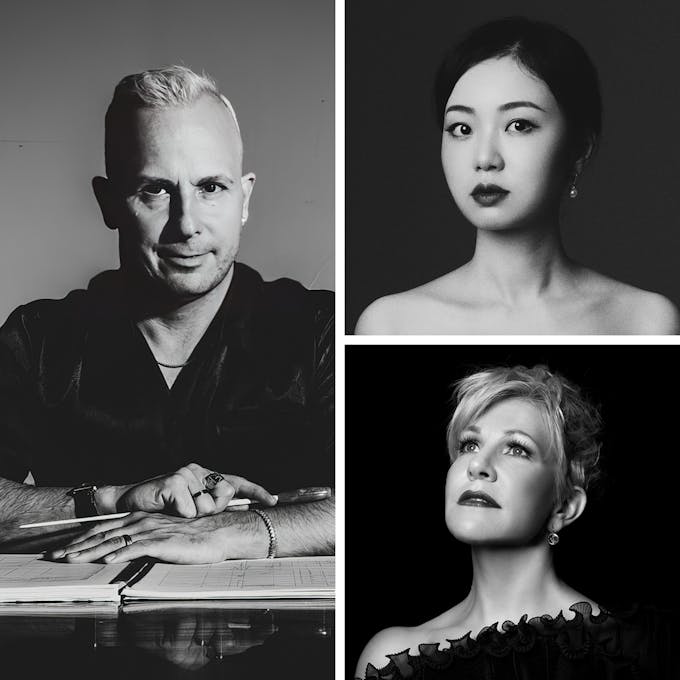
The Philadelphia Orchestra at Carnegie Hall (March 10): “Why have you lived? Why have you suffered? Is it all some huge, awful joke? We have to answer these questions somehow if we are to go on living—indeed, even if we are only to go on dying!” Mahler posed these queries to a friend when describing his Symphony No. 2, “Resurrection.” In a sprawling, monumental finale that defies the listener not to be moved, Mahler gave his answer: organ and grand symphonic forces swell, the deathly Dies Irae motif is flipped on its head, and the choir sings “I shall die, in order to live!” This Tuesday at Carnegie Hall, Yannick Nézet-Séguin conducts Mahler’s Second with the Philadelphia Orchestra. The soprano Ying Fang and the mezzo Joyce DiDonato join as vocal soloists. —IS

John Vanbrugh: The Drama of Architecture, by Charles Saumarez Smith (Lund Humphries): In their Works in Architecture (1770s), the brothers Robert and James Adam pay John Vanbrugh (1664–1726) a backhanded compliment: “Sir John Vanbrugh’s genius was of the first class; and, in point of movement, novelty and ingenuity, his works have not been exceeded by anything in modern times.” They continue, “We should certainly quote Blenheim and Castle Howard as great examples of these perfections in preference to any work of our own, or of any other modern architect; but unluckily for the reputation of this excellent artist, his taste kept no pace with his genius, and his works are so crowded with barbarisms and absurdities, and so born down by their own preposterous weight, that none but the discerning can separate their merits from their defects. In the hands of the ingenious artist, who knows how to polish and refine and bring them into use, we have always regarded his productions as rough jewels of inestimable value.” Here is typical Adam bombast, from the early stage of their careers when they set out to, in Robert’s words, “attack Vitruvius, Palladio and those blackguards of ancient and modern architecture, sword in hand.” But in the analysis lies an essential truth: the architecture of John Vanbrugh can be rather strange, but it is always interesting. His picturesque architecture finds an analogue in his picaresque life: wine trader in London, merchant in India, soldier in the Glorious Revolution, spy on the Continent, playwright in London, and of course, finally, architect—the role for which he is best remembered. Charles Saumarez Smith’s John Vanbrugh: The Drama of Architecture, out this week from Lund Humphries, presents the fascinating man in full. This is a book not to be missed. —BR
TNC Events:
Piano evening with Ignat Solzhenitsyn
Thursday, March 19
If you have not already, become a member of the Friends and Young Friends of The New Criterion here.
Dispatch:
“Coaches against Trump,” by James Piereson. On the politicization of college sports.
By the Editors:
“When will Kash Patel unleash epic fury on the FBI?”
Roger Kimball, The Spectator World
From the Archives:
“Carlyle’s grapeshot,” by Paul Dean (May 2014). On On Heroes, Hero-Worship, and the Heroic in History, by Thomas Carlyle.