
London in Stride: An Insider’s Walking Guide, by Jessie Kanelos Weiner and Felicity Fitchard (Rizzoli): In Jane Austen’s Emma, Mr. Woodhouse declares, “Ah! my poor dear child, the truth is, that in London it is always a sickly season. Nobody is healthy in London, nobody can be.” And if the bad air of the Big Smoke is a constant worry, perhaps walking is the cure. London in Stride, by Jessie Kanelos Weiner and Felicity Fitchard,is a winningly illustrated guide to the perambulatory pleasures of the British capital, conveniently sized to fit into a jacket pocket and full of delights for new visitors and old hands alike. —BR
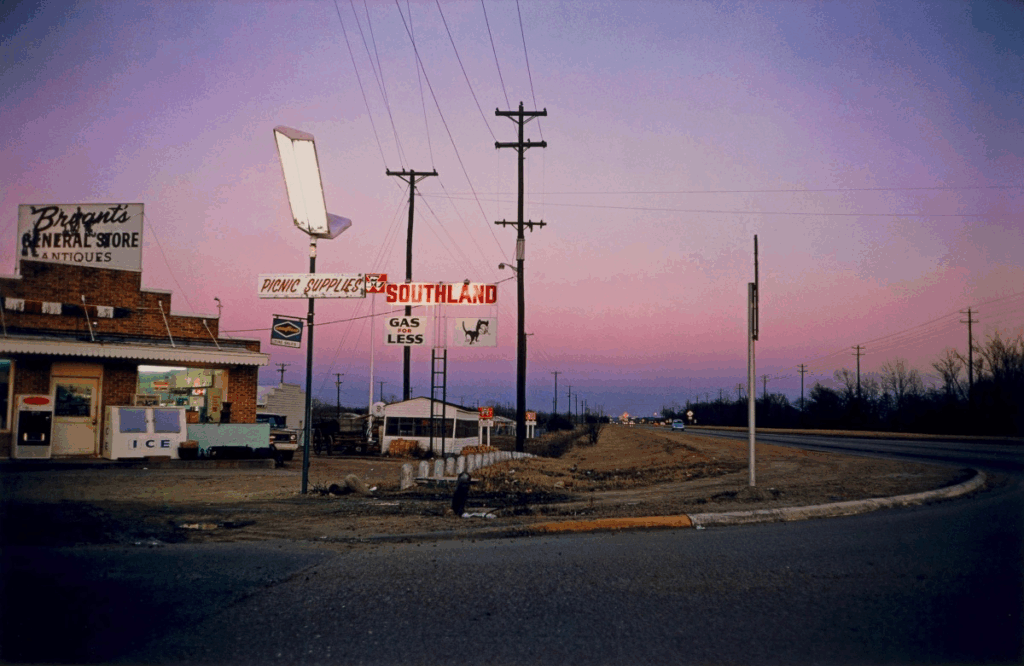
“William Eggleston: The Last Dyes,” at David Zwirner, New York (through March 7): As I wrote in a review of the catalogue for The Wall Street Journal, the photographer William Eggleston has an infatuation with saturation. His masterstroke was to enlarge and print his Kodachrome slides of everyday life in the American South with dye transfer, an outrageously vibrant chemical process previously used mostly for print advertising and Technicolor movies. “The Last Dyes,” on view now at David Zwirner, has marshalled the last remaining dye-transfer chemicals to produce an outstanding selection of prints from Eggleston’s career in the early 1970s. Seeing these hues in a book or on a computer screen is one thing; in person is something else entirely. This is the last chance to see an endangered species in the wild. —IS

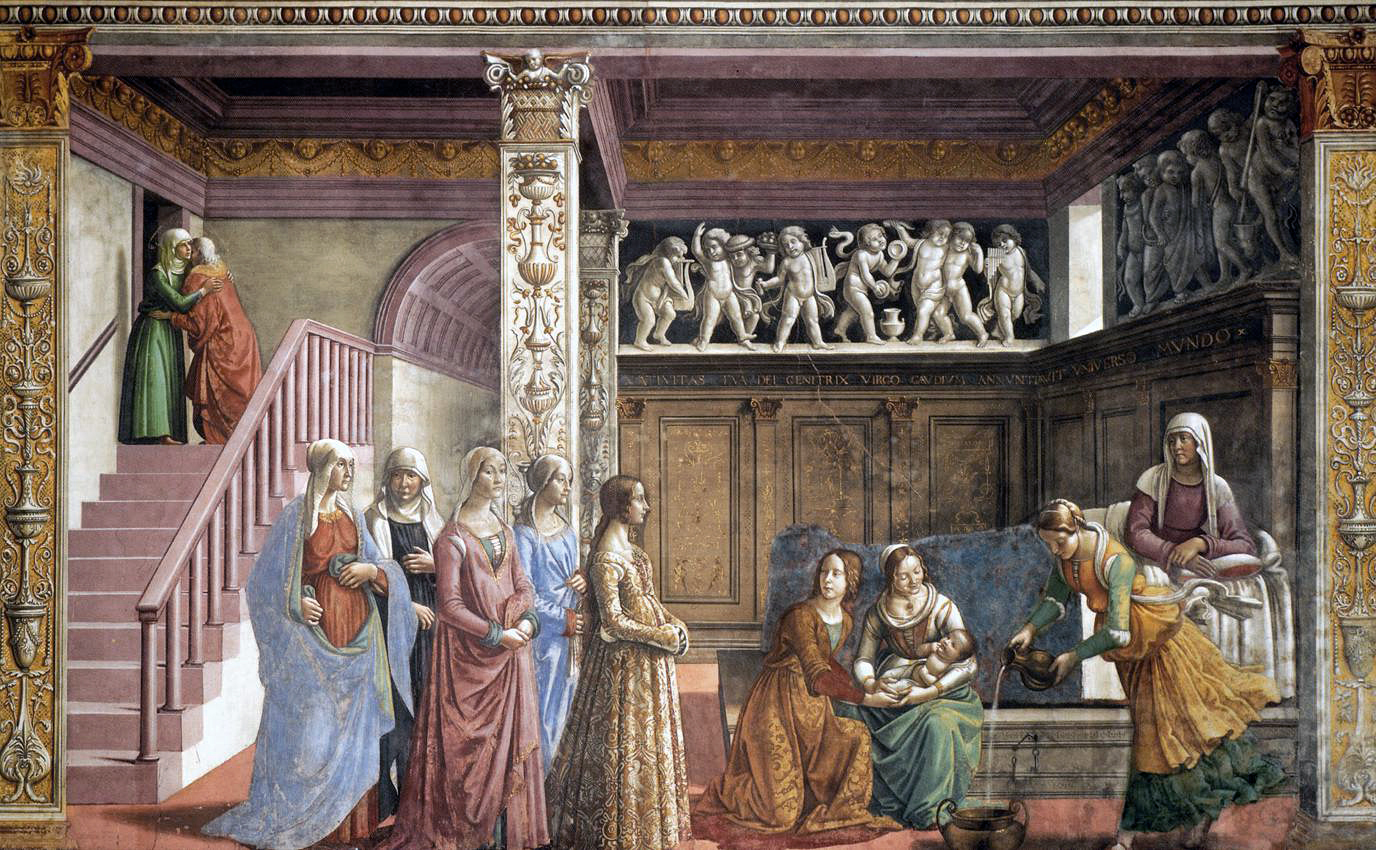
Domenico Ghirlandaio: An Elite Artisan and His World, by Jean K. Cadogan (Reaktion Books): If Domenico Ghirlandaio (1448–94) is not a household name, even among admirers of Renaissance art, it is due to the fact that the artist’s greatest works—all frescos—cannot travel and are located in small, easily overlooked Florentine churches such as Santa Trinita and Ognissanti. But in the later Quattrocento, Ghirlandaio’s reputation was second to none: in 1481 he was one of four artists—alongside Perugino, Botticelli, and Rosselli—commissioned by Pope Sixtus IV to paint the walls of the Sistine Chapel. Now, Jean K. Cadogan sheds light on this unjustly overlooked master in her new biography, which admirably situates Ghirlandaio in the network of guilds and religious confraternities that defined Renaissance Florence. Domenico Ghirlandaio: An Elite Artisan and His World balances technical insights into the artist’s drawing and painting technique with broader discussions of the trajectory of Italian painting, making for a pleasant introduction to a painter renowned for his buon aria. —AG

“In Praise of Laura Peverara: Madrigals for the concerto delle donne,” at Saint Ignatius of Antioch Episcopal Church, New York (February 19): With its concerto delle donne, the court of Ferrara became renowned for its female musicianship in the late sixteenth century. The most celebrated soprano and harpist among these performers was Laura Peverara, who inspired two madrigal anthologies, published in 1582 and 1583. This Thursday evening, the Boston-based Blue Heron, an early-music vocal ensemble, will return to Saint Ignatius of Antioch Episcopal Church on New York’s Upper West Side for a concert “in praise” of the Cinquecento wonder. Performing in this 1902 English Gothic church designed by Charles C. Haight, with later additions by no less than Ralph Adams Cram, the ensemble will draw on the venue’s Guastavino-tiled acoustics for this praiseworthy remembrance featuring music by Wert, Marenzio, Luzzaschi, and others. —JP
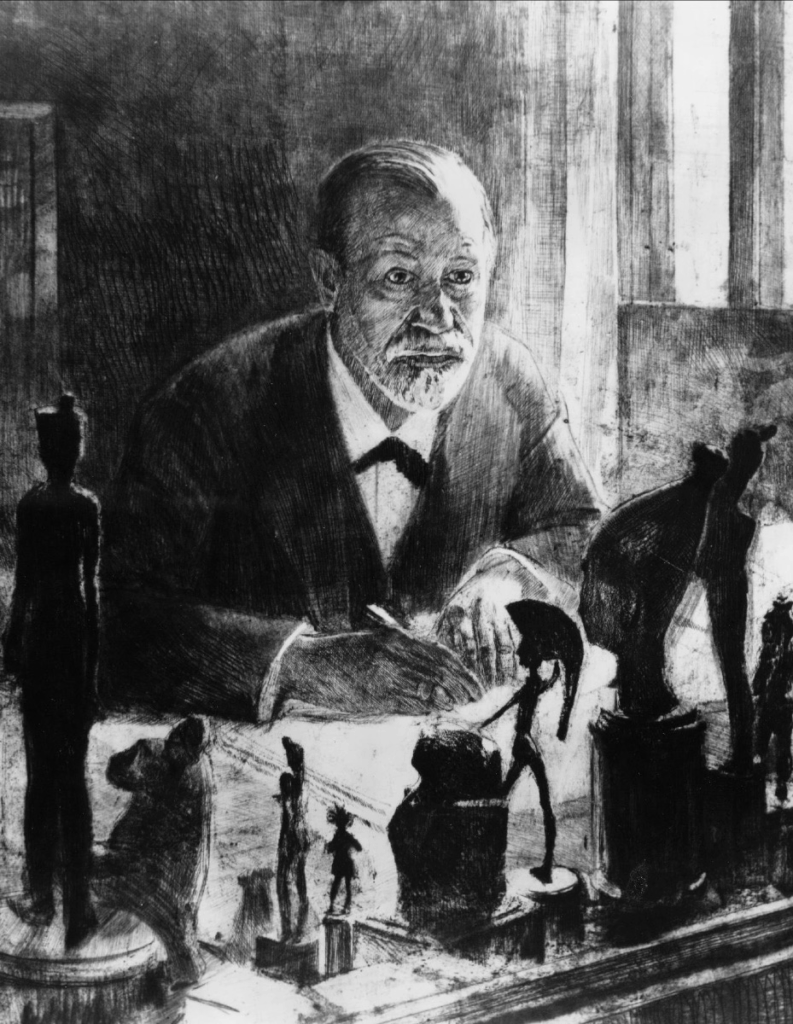
“The Egyptian Body and the Idea of the Unconscious at the End of the Nineteenth Century,” presented by Emmelyn Butterfield-Rosen, at the Institute for the Study of the Ancient World (February 23): In his recent review of “Rodin’s Egypt” at NYU’s Institute for the Study of the Ancient World, Luke Lyman described how the great artist “got behind Greek sculpture” and mined Egyptian statuary for a certain “severity and unreality largely absent from . . . the classical tradition.” A talk at the institute by Emmelyn Butterfield-Rosen next Monday, February 23, promises to illuminate the appeal of that rigidity for fin-de-siècle artists and thinkers, specifically as it relates to the emerging field of psychology and the effort “to visualize the idea of the unconscious.” (It bears noting that one needn’t go in for Freud to appreciate the impact his theories had on the creative arts.) Attendance is free with registration. —RE
TNC Events:
Book Party with Douglas Wright
Thursday, February 26
If you have not already, become a member of the Friends and Young Friends of The New Criterion here.
Dispatch:
“The belle of the ball,” by George Loomis. On Un ballo in maschera, at the Paris Opera.
By the Editors:
“Trumponomics is working”
Roger Kimball, The Spectator World
From the Archives:
“Improbable friendship,” by Renee Winegarten (May 1993). On Flaubert-Sand: The Correspondence, translated & edited by Francis Steegmuller & Barbara Bray.