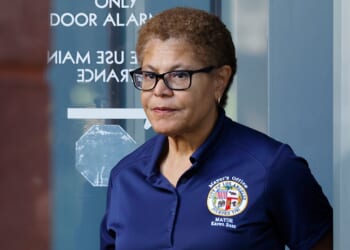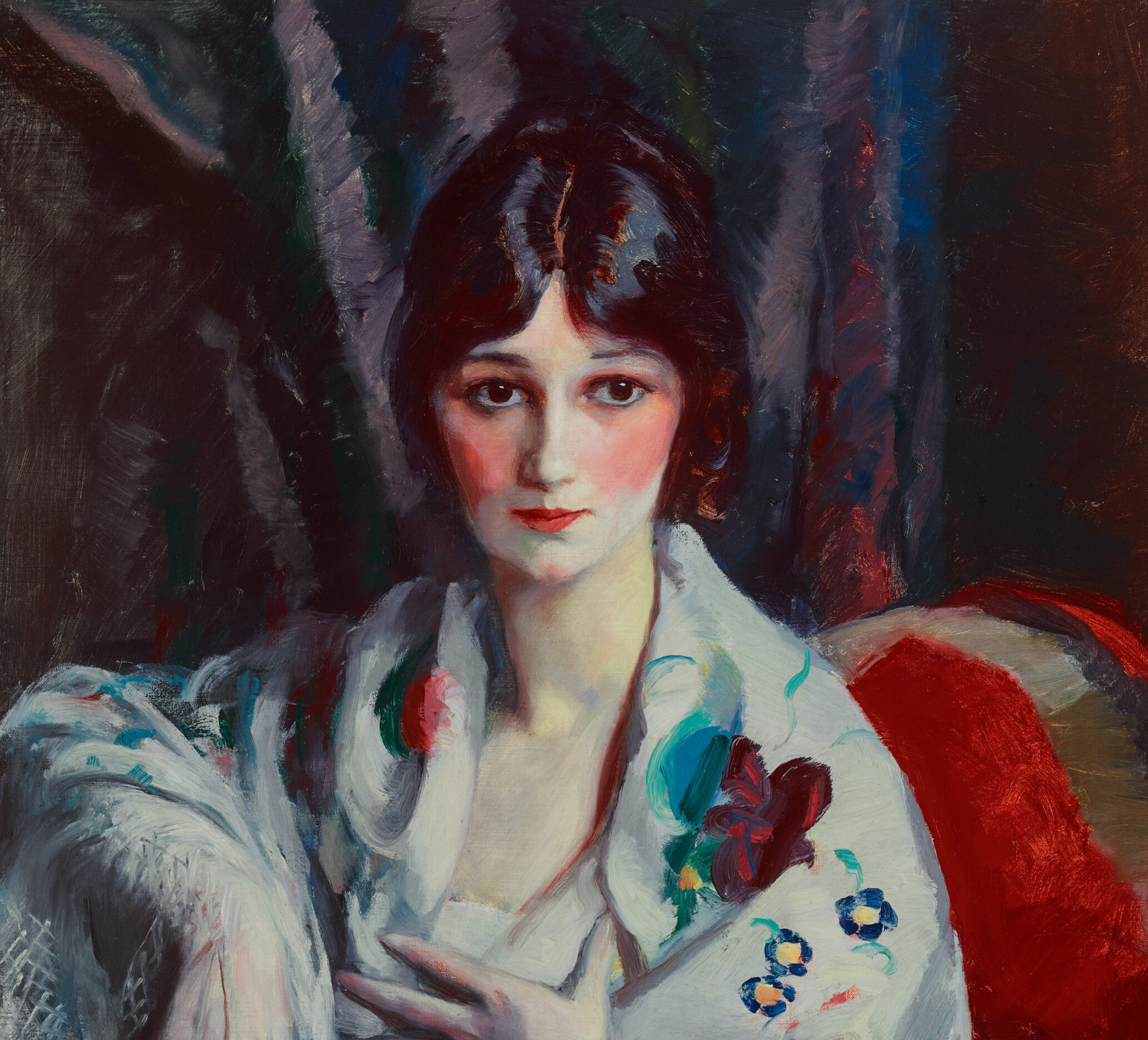
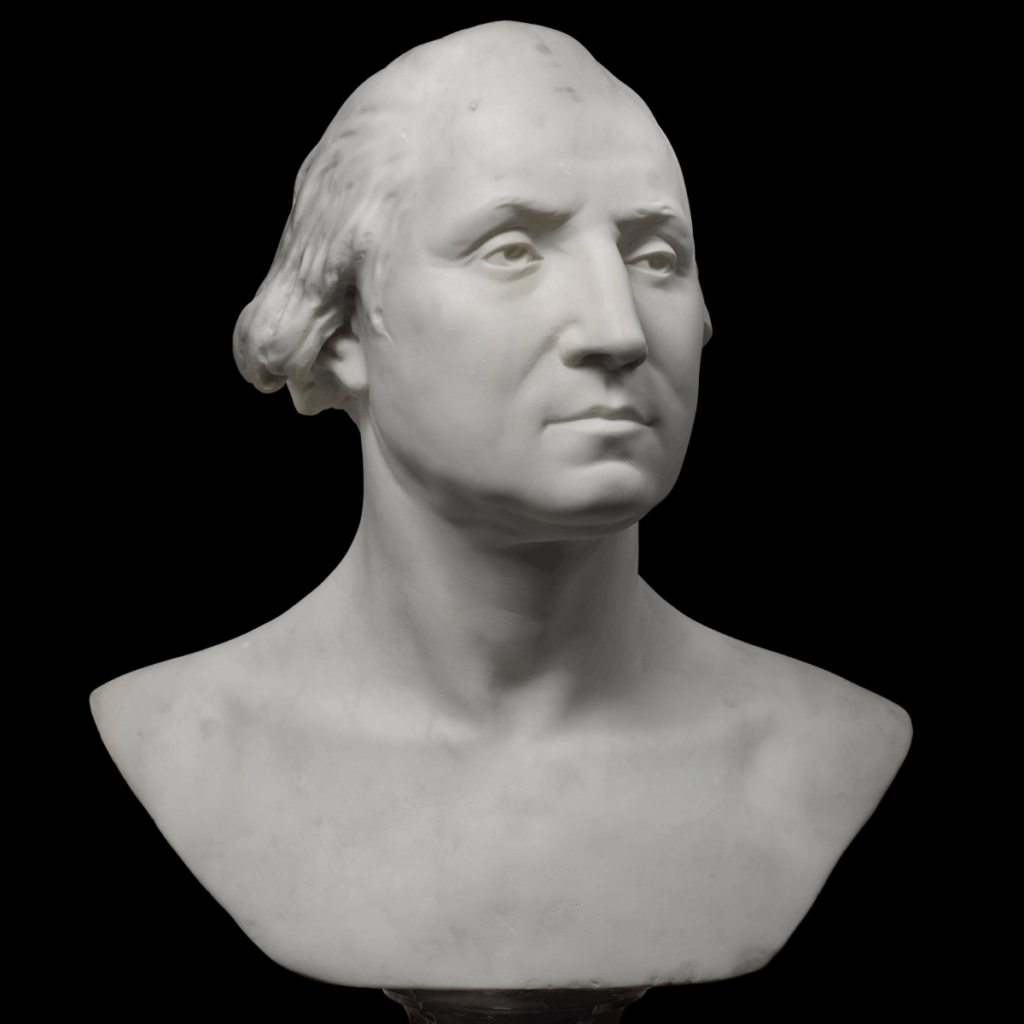
The Winter Show at the Park Avenue Armory (through February 1): Not every exhibitor at The Winter Show read the memo, but the U.S. semiquincentennial informs several of the seventy-odd purveyors now on view in the storied antiques, art, and design show at the Park Avenue Armory. Elie Nadelman and Paul Manship, two exuberant American sculptors from the first half of the twentieth century, are front and center at Bernard Goldberg Fine Arts. A stoic bust of George Washington by the Studio of Jean-Antoine Houdon watches over the Old Masters at Robert Simon Fine Art. Several Americana Easter eggs decorate the displays at Hirschl & Adler. Meanwhile, portraits by Robert Henri decorate more than one booth; Henri’s Celestine (1920) at Avery Galleries is a highlight. —JP
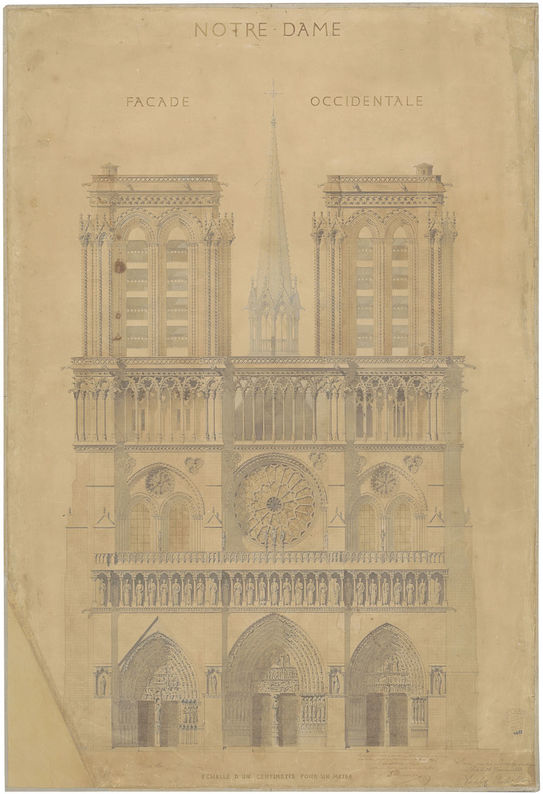
“Viollet-le-Duc: Drawing Worlds,” at Bard Graduate Center (January 28–May 24): What do Notre-Dame de Paris, Carcassonne, and Vézelay Abbey have in common? All three sites owe their fame in large part to one man: Eugène Viollet-le-Duc (1814–79), who comprehensively restored and reimagined these—and countless others—Romanesque and Gothic jewels. His works and writings placed medieval architecture at the core of French identity and influenced generations of pioneering architects, designers, and theorists, from Le Corbusier to William Morris. Now, Bard Graduate Center is unveiling the first major U.S. exhibition dedicated to Viollet-le-Duc and his drawings. These bear witness to the workings of the architect’s extraordinary imagination, which combined medieval elements with delightful Romantic flights of fancy to create a revitalized neo-Gothic style fit for an emperor, Napoleon III. In conjunction with the show, Bard is hosting several related events, including a talk (February 4) by two restorers who worked at Notre Dame after the 2019 fire and a lecture (April 29) on “French Ornament in the Nineteenth Century” by two top scholars of French decorative arts. —AG
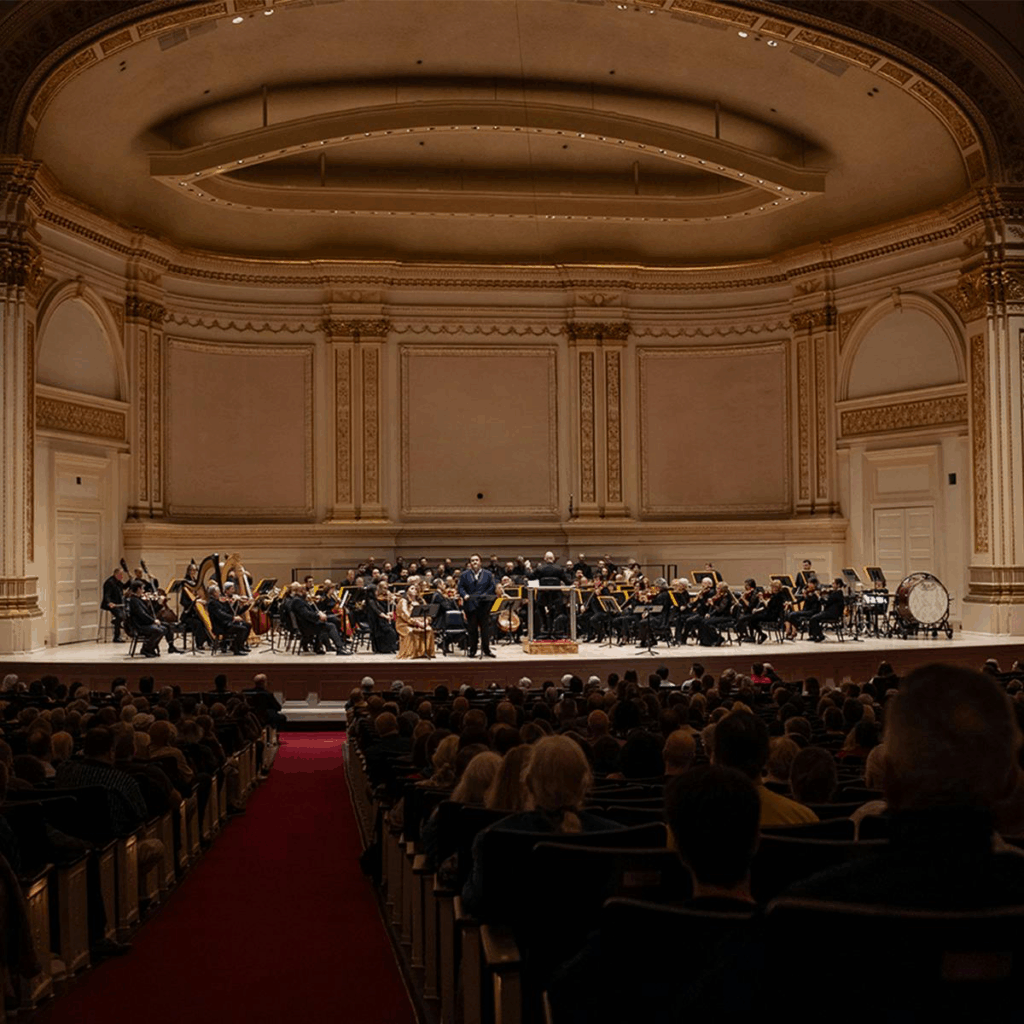
The American Symphony Orchestra at Carnegie Hall (January 30): In this semiquincentennial year, one of the neglected corners of American culture most deserving of consideration is our native tradition of classical music. It stretches back at least as far as the Founding Father Francis Hopkinson, who, besides helping design the United States’ flag and Great Seal, wrote an opera celebrating America’s alliance with France. Fast-forward to the late nineteenth century, and we meet men like the organist Dudley Buck and the symphonist George Frederick Bristow, whose music will be revived at a concert by the American Symphony Orchestra under Leon Botstein at Carnegie Hall this Friday. In between Buck’s Festival Overture on the American National Air “The Star-Spangled Banner” and Bristow’s Symphony No. 5, “Niagara,” look for the great baritone Harry Burleigh’s arrangements of three spirituals and Richard Wagner’s Großer Festmarsch, which he wrote specifically for America’s 1876 centennial. Much to savor, all too rarely heard. —IS
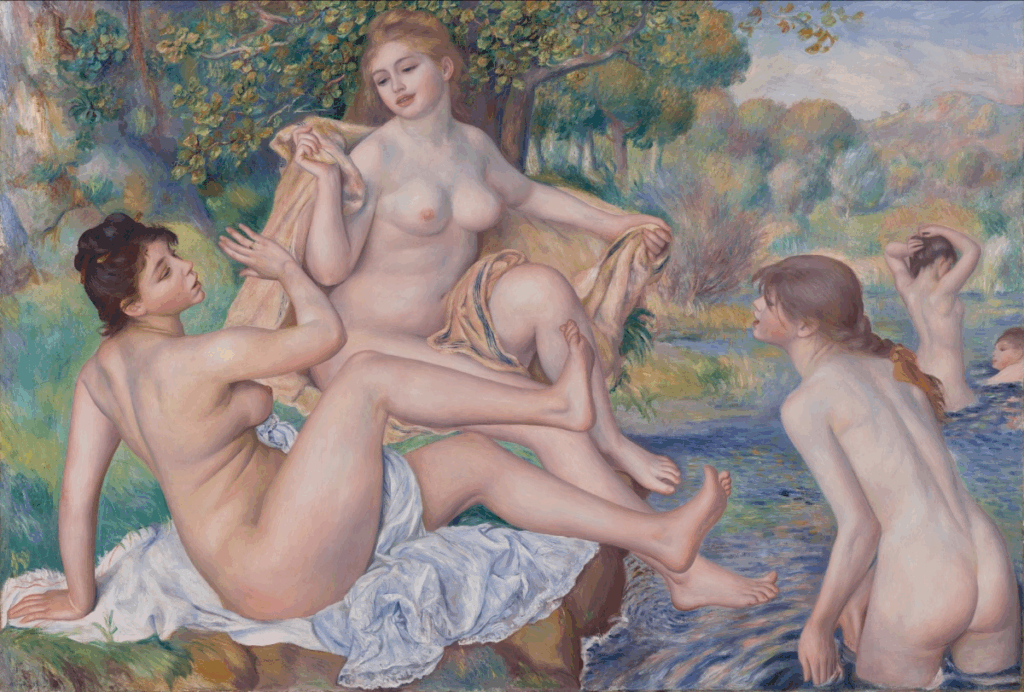
“Symposium: A Draftsman of the First Order: Renoir’s Drawing Practice,” presented by the Morgan Library & Museum (January 30): In our January issue, my colleague James Panero wrote about “Renoir Drawings,” the “anti-blockbuster blockbuster” currently on display at the Morgan Library & Museum, illuminating the careful working process behind the Impressionist’s effects. This Friday, January 30, the Morgan will conduct a public symposium exploring various aspects of Renoir’s drawing practice, on topics ranging from his choice of materials, to preparatory drawings for specific masterworks, to motifs deployed across his oeuvre. In addition to Colin B. Bailey and Sarah Lees, who organized the exhibition, presenters will include Paul Perrin of the Musée d’Orsay, Rebecca Pollak of the Morgan’s Thaw Conservation Center, Fabienne Ruppen of the Kunstmuseum Basel, and Martha Lucy of the Barnes Foundation. Attendance is free with museum admission. —RE
Dispatch:
“Open letters,” by Benjamin de Almeida Newton. On Love, War, and Diplomacy: The Discovery of the Amarna Letters and the Bronze Age World They Revealed, by Eric H. Cline.
By the Editors:
“To see, or not to see Hamnet”
Isaac Sligh, The Spectator World
From the Archives:
“Seurat’s ‘Sunday’ painting,” by Hilton Kramer (September 2004). On “Seurat and the Making of ‘La Grande Jatte,’” at the Art Institute of Chicago.