Expect HARMs to be integrated into fifth- and sixth-generation fighter jets for the foreseeable future.
The AGM-88 HARM (High-speed anti-radiation missile) was designed to detect, target, and destroy enemy radar emitters—especially SAM radars and air-defense nodes. Specifically, the HARM homes in on the signal that enemy radar systems emit, destroys that radar, and, in effect, opens up airspace for US aircraft to operate in with less risk. The HARM is a key tool in Suppression/Destruction of Enemy Air Defense (SEAD/DEAD) operations.
Introducing the HARM
Air defense system threats grew exponentially during the Cold War. Soviet systems, like the SA-2, SA-3, SA-6, and SA-10, were increasingly sophisticated and increasingly capable of downing US aircraft. Vietnam demonstrated just how vulnerable Western air power was to radar-guided SAMs and anti-aircraft assault (AAA). Early anti-radiation attempts were too slow, too limited, and too easy for radars to defeat by simply shutting down, leaving US aircraft vulnerable. The United States needed something faster, autonomous, and adaptable — something that could punch holes in sophisticated integrated air defense systems. The HARM missile was the answer.
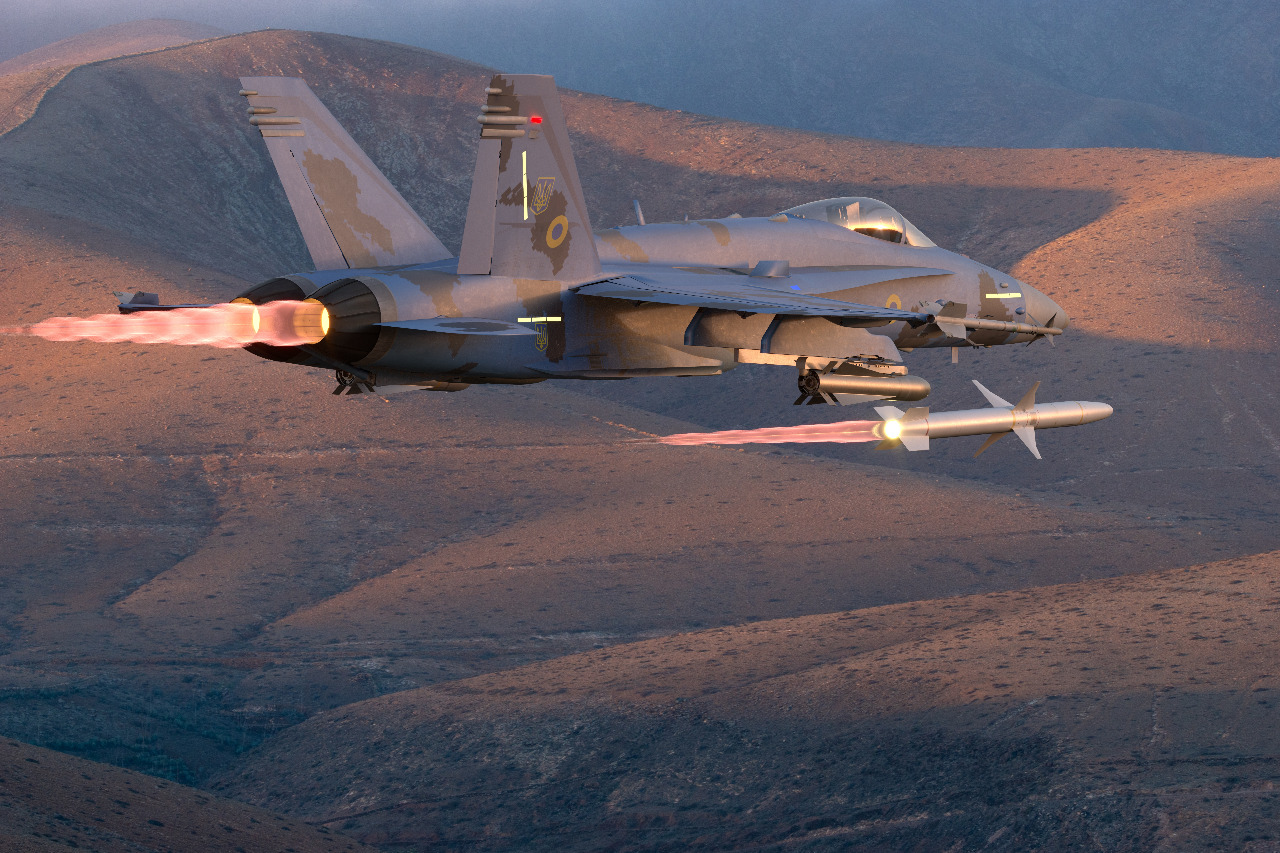
First fielded in 1983, HARMs represent a major leap forward in SEAD capability. With a passive seeker, the HARM homes in on electromagnetic emissions from radar sets. Equipped with a “memory mode,” HARMs are effective even when the enemy radar shuts off to break lock, because the HARM remembers the last known location and continues towards that location. And with a Mach 2 speed, HARMs give defenders a very limited window of reaction. Later variants would introduce inertial/GPS updating to pair with passive radar homing, thereby increasing the HARM’s targeting effectiveness. When HARMs reach their target, a 66-kilogram warhead detonates, shredding radar arrays and supporting electronics.
HARM’s Operational Application
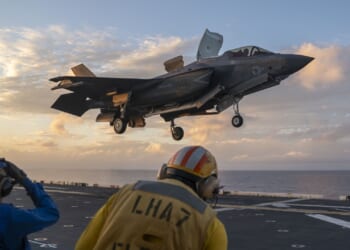
The core concept of SEAD is to degrade the enemy’s ability to defend its own airspace. Accordingly, HARM-equipped SEAD operations are used early in conflicts to collapse enemy air-defense networks and clear airspace for US aircraft to operate with lowered risk. The HARM is fired from the F-16, F/A-18, EA-6B, EA-18G, Tornado, and now the F-35. They are often used in “wild weasel” tactics, when radar locations are unknown, and in which fighters are used as bait to activate radar defenses. This is a dangerous game until HARM missiles are launched at the newly activated enemy radar. Through SEAD, HARMs enable air superiority, strike penetration, and electronic dominance.
Used in the Gulf War, Kosovo, Iraq, Afghanistan, and Ukraine, HARMs allow Western aircraft to operate in contested airspace by blinding enemy defenses. HARMs fully enable the backbone of the SEAD doctrine that defines US/NATO air dominance by forcing adversaries to choose between turning their radars on and having those radars destroyed or turning their radars off and losing targeting and situational awareness. This strategic dilemma makes HARMs a force multiplier with an impact far beyond their 66-kg warhead. And given how sophisticated modern air defense systems have become, establishing air power is now functionally impossible without SEAD.
In the future, HARMs will remain central to US doctrine—at least until electronic countermeasures fully replace kinetic SEAD — although that likely won’t happen for decades. In the meantime, expect HARMss to be integrated into fifth- and sixth-generation fighters.
About the Author: Harrison Kass
Harrison Kass is a senior defense and national security writer at The National Interest. Kass is an attorney and former political candidate who joined the US Air Force as a pilot trainee before being medically discharged. He focuses on military strategy, aerospace, and global security affairs. He holds a JD from the University of Oregon and a master’s in Global Journalism and International Relations from NYU.
Image: Shutterstock/Mike Mareen