Political stability and new investment are powering Tanzania’s push into electrification, hydropower, and LNG—strengthening long-term growth and its partnership with the United States.
As Tanzania returns to stability after a brief period of post-election unrest, the country’s ambitious energy agenda—a blueprint for East Africa and beyond—is back on track.
President Samia Suluhu Hassan, since her election in 2021, has overseen the delivery of one of the largest hydroelectric plants in Africa and a drive for mass electrification.
While opposition parties contest the scale of President Samia’s October 2025 election victory, her political popularity is not in doubt. Strong economic growth at 6 percent per year is part of the appeal, as is her transformation of rural access to electricity.
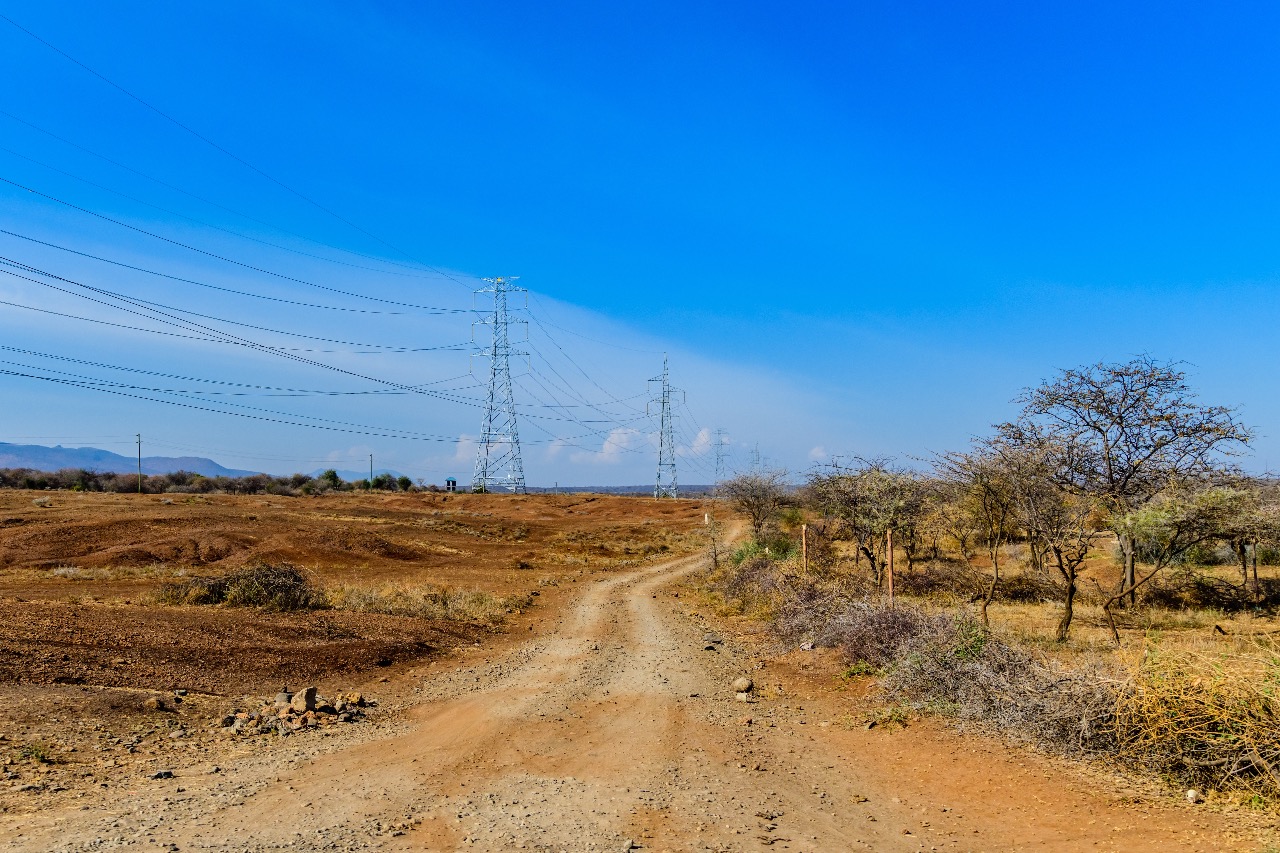
Under this government, the Tanzania Rural Electrification Expansion Program (TREEP) has connected nearly 8 millionTanzanians to the grid. Villages that were once dark are now lit. According to the World Bank, in total, TREEP has expanded electricity access to over 1,600 healthcare facilities, close to 6,500 educational institutions, and more than 16,000 businesses. Business activity and connectivity have increased, driving rising living standards. Electricity access has risen from around 40 percent when President Samia took office in 2021 to over 55 percent today, a remarkable achievement.
The Samia administration is leveraging rural electrification to catalyze industrialization and foreign investment. Foreign investment in the national energy sector is a key priority, covering hydropower, cross-country pipelines, and the realization of the country’s liquefied natural gas (LNG) potential.
Tanzania’s LNG Opportunity
Tanzania’s strategic location helped make its vibrant port cities (and the island of Zanzibar) a hub for the dhow trade and one of the oldest multicultural societies in the world.
Tanzania can once again capitalize on its unique location when it comes to LNG. The country is pushing ahead with offshore LNG production. While other countries in Africa want to compete, Tanzania is perhaps best positioned to take advantage of current market trends.
Russia’s invasion of Ukraine in 2022 saw Europe become the largest incremental buyer of LNG. That is now projected to shift back to Asia in line with regional economic growth rates, with fast-growing China, the Association of Southeast Asian Nations (ASEAN), and India leading the way.
Energy Development, Regional Stability, and Industrial Growth
Tanzania’s stability is notable while conflict rages across the border in northern Mozambique and in other parts of East Africa. Kenya, for example, is grappling with environmental strife and a fiscal position that is destabilizing.
A foothold in the global LNG industry would, in turn, serve Tanzania’s broader energy needs and economic performance. The country aims to achieve 75 percent electricity access and clean cooking adoption by 2030, in line with its commitments under Mission 300—a joint initiative of the African Development Bank Group and the World Bank aimed at mobilizing resources to connect 300 million Africans to electricity by 2030.
Tanzania’s already prodigious mining industry stands to benefit. Its contribution to national GDP stands at 10 percent this year, covering gold, rare Tanzanite, and other industrial metals. Yet, this is an energy-thirsty industry, consuming as much as 15 percent of Tanzania’s total energy (production and imports). LNG centrality will match this demand at lower prices, lifting the industry’s long-term potential.
Renewable energy production will support this effort. Hydroelectric energy is advancing, not least with the Julius Nyerere Hydroelectric Power Project, named after Tanzania’s founding father. Located on the Rufiji River with a current capacity of 2,115 megawatts (MW), the project is Africa’s fourth-largest hydropower plant. Full commercial operation is expected by mid-2026.
The trend towards clean energy is indeed clear. Dirty coal has been sidelined. The expansion of solar and wind capacity is underway. Geothermal is another potential bright spot for Tanzania, given the country’s geology and the fact that geothermal has proven commercially successful in neighboring Kenya, where it powers a significant portion of the grid.
The Future of US-Tanzania Relations
The United States, as Tanzania’s largest development and assistance partner, should be proud of its record supporting Tanzanian growth. The State Department rightly views the bilateral relationship as crucial, not least as China encroaches into East Africa. Post-election unrest has caught the attention of Washington, but it will not undermine ties. US policymakers should be pleased that Tanzania, committed to market-driven policy and good governance, has returned to stability.
In short, Tanzania is an African success story, the policy mix of which—particularly regarding energy—is a blueprint for the continent’s developing nations. Political stability will beget further economic growth, only strengthening Tanzania’s international position.
About the Author: Joseph Hammond
Joseph Hammond is a journalist and former Fulbright public policy fellow with the government of Malawi. He has reported from four continents on topics ranging from the Arab Spring to the M23 rebellion in the Eastern Congo, with bylines in Newsweek, The Washington Post, Forbes, and more. He has contributed to The National Interest since 2016. Hammond has been a recipient of fellowships organized by several think tanks, including the National Endowment for Democracy, the Atlantic Council of the United States, the Heinrich Boll Stiftung North America Foundation, and the Policy Center for the New South’s Atlantic Dialogue.
Image: Ihor Bondarenko/shutterstock