Despite recusals from the soprano Renée Fleming, the banjo player Béla Fleck, and the minimalist composer Philip Glass, who has withdrawn his Symphony No. 15 for its long-delayed premiere in June, the National Symphony Orchestra, which has been in residence at the center since the building opened in 1971, has no plans to move from the newly renamed Trump Kennedy Center for the Performing Arts in Washington, D.C. The NSO’s music director Gianandrea Noseda still has a clear sense of purpose: “I cannot make everybody happy,” he has said in an interview to The New York Times; “I know why I am here—to serve the art, the music and the community.” Noseda has confirmed that neither the Trump administration nor the center’s interim executive director, Ric Grenell, a close Trump associate concurrently serving as his special envoy for international special tasks, has interfered in the NSO’s programming.
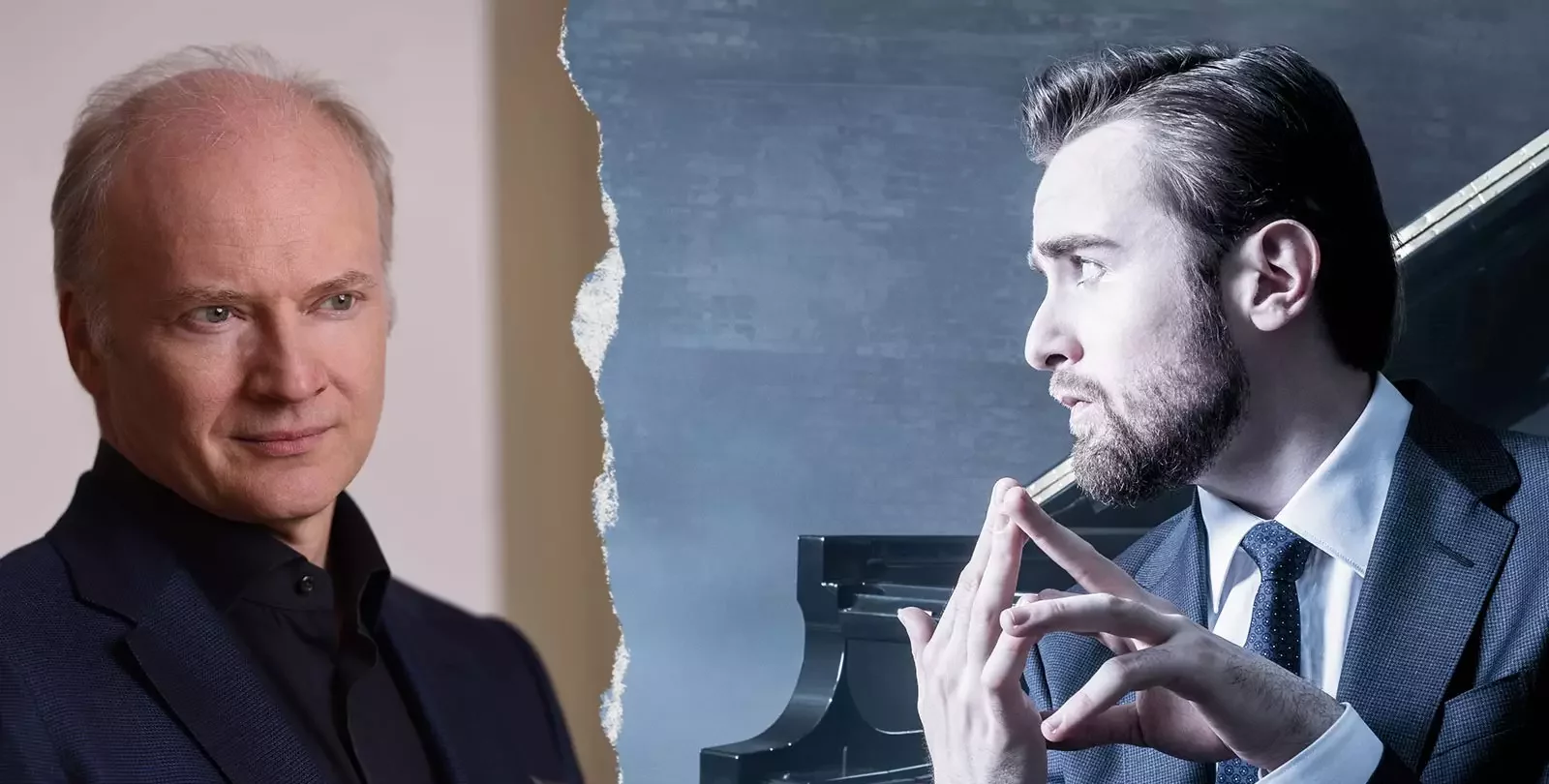
Despite the controversy, Noseda’s customary brilliance was on display in January, when he returned to the podium after the NSO’s holiday hiatus. Contrary to the pessimistic prognostications, the concert hall was nearly sold out. This was hardly surprising, given that the evening’s soloist was the Russian pianist Daniil Trifonov, who commands a loyal following wherever he goes. Noseda led him alongside the reduced orchestra required for Brahms’s Piano Concerto No. 1 in D minor. Completed in 1858 when the twenty-five-year-old Brahms was responding to the death of his mentor Robert Schumann and to his infatuation with Schumann’s widow, Clara, it is a soul-searching piece. Its Maestoso first movement, which some critics have read as a depiction of Brahms’s sorrow after Schumann’s attempted suicide, is somber and dark. Not dwelling on the maudlin, Noseda skillfully complemented Trifonov’s intensity with flourishing horns. The Adagio second movement, which can be seen as a melancholic homage to Clara, allowed the pianist to develop a rosier idiom to the orchestra’s warm legato. The work’s concluding Rondo, marked Allegro non troppo, bears the weight of the Romantic tradition inherited from Beethoven, to which Brahms adds something of his own.
The second half brought out a larger orchestra to perform Igor Stravinsky’s The Rite of Spring. A quintessential statement of musical modernism, the piece was initially highly provocative: its Paris premiere as a ballet accompaniment in 1913 caused a fracas (the “riot” description commonly associated with the premiere was a retrospective exaggeration). Stravinsky came to associate its Russian folk idiom with collectivism and, thus, with the rise of the Communist regime that forced him to live out his life in exile. Later in life, he expended great efforts to downplay those influences, but the score’s origins in the ferocious realm of legend are audible and well attested in the source material the composer is known to have used. Noseda, who worked extensively in St. Petersburg, drove his musicians to the brink, as they explored the twisted depths of the human sacrifice depicted in the piece. Those who chose not to attend deprived themselves of an evening of musical excellence.