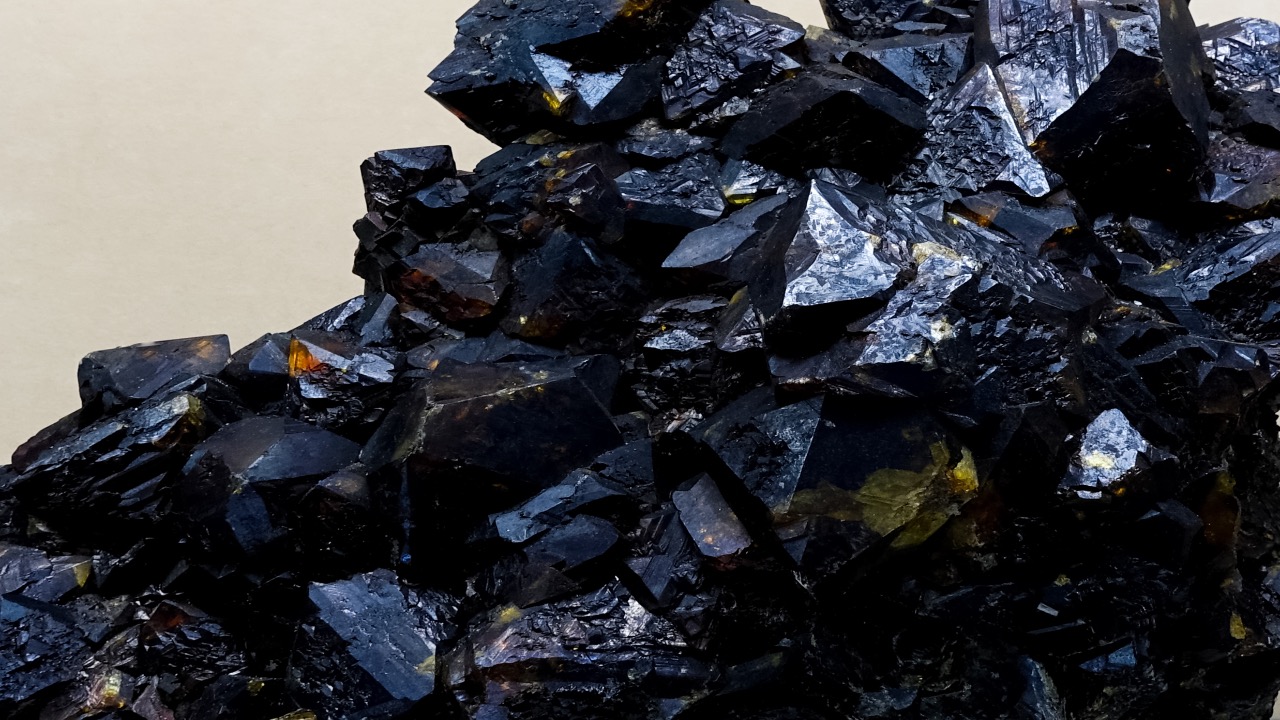
Europe should consider equity stakes to rebuild industrial and energy resilience, cut dependence on China, and strengthen safeguards across critical industries like rare earth minerals and ports.
The second Trump administration’s blanket “tariff war” has generated mixed results and reactions. While the complex tariff rates on allied nations and key trading partners are problematic on multiple levels, the administration is raising a necessary alarm about the strategic risks of offshoring industrial capacity.
A Call to Action for Europe: Rebuilding Industrial Capacity
President Donald Trump correctly diagnoses that the United States must maintain a vibrant industrial base—both for long-term economic competitiveness and for national security. The particular concern is the two decades of offshoring to China, which now leverages its industrial capacity to advance the Chinese Communist Party’s (CCP) political agenda through coercive economic means.
This must serve as a call to action for the European Union (EU), which for too long has been content to sit on the sidelines. Because of that inaction, the EU now finds itself almost entirely dependent on China for heavy and light rare earth minerals, vulnerable to foreign ownership of critical firms, and increasingly exposed to the effects of Chinese industrial overcapacity that undercuts European producers.
Strengthening Europe’s Energy Security Through New Partnerships
While it lacks short-term solutions, the EU should look to its member states and to the United States, which have already taken steps to reduce their exposure and strengthen economic resilience. Under the Meloni government, Italy is building a more secure and diversified economy by developing new strategic partnerships aimed at reducing dependence on China.
The EU should expand on Rome’s Mattei Plan (Piano Mattei), announced in January 2024, which started a $6.4 billion initiative to launch nine pilot projects across Africa. The plan encompasses investments in education, training, energy, and infrastructure, and opens the door to rare earths mining investment, which could serve as a test vehicle for breaking China’s dominance as Europe’s supplier of rare earths.
Rome lacks the financial resources to provide sweeping investments, but increased collaboration with the European Commission can lead the way for a more comprehensive EU plan. Opportunities already exist: Namibia’s Lofdal Project, for example, could be fast-tracked under the EU’s Critical Raw Materials Act. Any EU investment should include measurable objectives and loan conditions, ensuring that projects function as genuine partnerships rather than blind cash throws.
Protecting Critical Infrastructure and Countering China’s Influence
Europe must also be prepared to safeguard its critical industries. Italy’s use of its “golden power” rule to limit the Chinese state-owned Sinochem from expanding its ownership stake in Pirelli mirrors US actions restricting Huawei. The EU should not hesitate to employ similar tools to protect sectors vital to national security and intellectual property—especially given China’s long track record of intellectual property theft and industrial espionage.
A particularly urgent case is Europe’s maritime infrastructure. Over the last decade, Chinese companies have increased investments and bids in ports and container terminals across the continent. State-owned China Ocean Shipping Company (COSCO), Qingdao Port International, and China Merchants have been expanding their investment footprint. Not just in Italy, but throughout the Mediterranean, the CCP is working to gain a foothold by bidding and investing in infrastructure with almost majority stakes. The European Union must be aware of China’s malicious intent and understand that it is a threat to the continent’s sovereignty.
Ports are strategic assets in both peacetime and wartime. In any future conflict, European states and their North Atlantic Treaty Organization (NATO) allies will need uncompromised access to their own maritime infrastructure. Protecting critical infrastructure must therefore be treated as integral to preserving Europe’s industrial base. The European Commission already has a set of rules on Foreign Direct Investment (FDI), but in an evolving era of grey-zone warfare, it must carefully review them to see if they meet the challenge posed by adversaries.
Many ports serve as dual-use infrastructure, meaning that they are both commercial and military assets. Majority ownership of a dual-use port by China can open the door to Chinese naval vessels, espionage, and general CCP influence. The European Union must start taking strong action. Continued missteps in economic and foreign policy continue to let China creep ahead.
Building a European Industrial Strategy That Works
To protect and cultivate critical industries, one avenue the EU should consider is the use of equity stakes—similar to the US government’s investments in Intel and MP Materials. Equity provides a flexible and market-compatible way to support key industries without resorting to burdensome nationalization. Europe is known for unnecessary nationalization, which has brought decades of improper direction to the private sector, and it cannot repeat the same mistakes in vital sectors for the future. Minority stakes allow governments to participate in the upside of successful investments while letting private companies continue doing what they do best: innovate, scale, and compete globally.
For the EU, protecting critical industries does not translate to increasing its overreach and regulation. It means better safeguards and an improved business environment. Increasing safeguards against malicious FDI and efforts to counter Chinese overproduction will benefit European industries, but they cannot flourish without reducing regulation. The European Union must make efforts to cut environmental regulations and taxes to give more breathing room for businesses to grow. Proper steps in cutting red tape will also help attract more capital to European markets, something desperately needed, as it shows the European Union being open to innovation and growth. To combat China, there must be restrictions placed on the enemy and benefits given to industries at home.
The EU already knows what sectors are of continental security. Taking steps to secure critical industries would send a much-needed message to President Trump and the rest of the world that Europe is serious about countering China’s threat to the global order. A stronger transatlantic strategy and partnership will enhance collective security and reinforce the rules-based order at the heart of global prosperity and stability.
About the Author: Niccolò Comini
Niccolò Comini is a graduate of Kenyon College. He writes about Italian politics and foreign policy, and has been published on CEPA’s Europe’s Edge, Foreign Policy, Formiche.net, and The National Interest.
Image: LuYago/Shutterstock