After the first phase of the “Gauntlet” competition concluded, the Pentagon placed 11 of the participating drones on its leaderboard.
The US military is doubling down on drone warfare. As part of a new initiative known as “Drone Dominance,” the Pentagon is preparing to purchase 30,000 one-way attack drones for military units across the force.
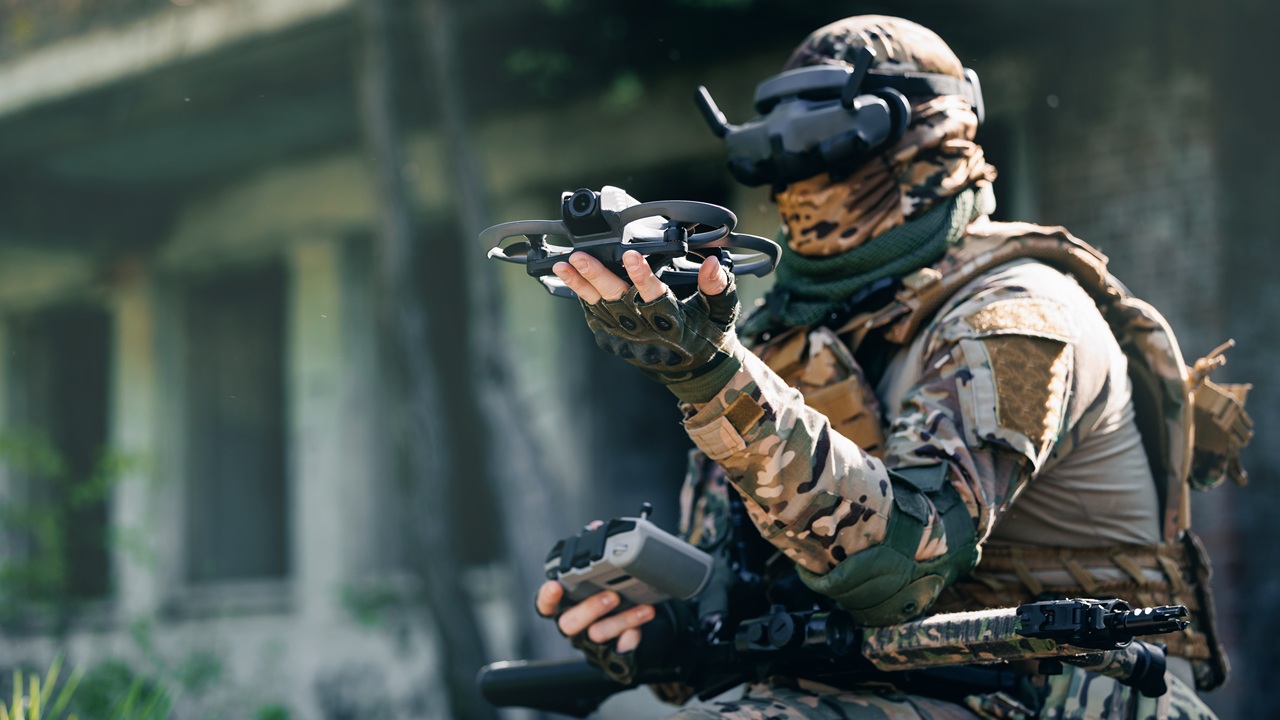
The orders will fall into place following a competition known as the “Gauntlet,” where dozens of drone companies tested their systems under simulated combat conditions. The goal of the program is simple: to field cheap and lethal drones quickly and in large quantities. The program is a reflection of lessons learned in recent conflicts, most notably Ukraine, where inexpensive drones have transformed the battlefield, creating asymmetric advantages against much more sophisticated and expensive systems.
About the Pentagon’s “Gauntlet” Drone Competition
The Gauntlet exercise served as the Pentagon’s first large-scale evaluation of potential drone systems. The competition took place at Fort Benning, Georgia, and involved 25 drone manufacturers. Roughly 100 military personnel participated across the service branches—particularly from the Army, Marine Corps, and special operations units—to observe and participate as drones were tested in simulated combat scenarios. One of the primary test missions involved launching a drone to strike a target 10 kilometers away, simulating the manner in which drones have often been used in Ukraine. The Pentagon also introduced an unusual constraint—one modeled after real-world use: operators were only given two hours of training on each drone before using it. This constraint tested whether systems could be quickly adopted by ordinary troops, in the field, with no advanced, specialized training.
To determine winners of the competition, the Pentagon bypassed a lot of the more expected technical evaluations. Instead, the soldiers tackled with operating the drones were asked a simple question: would you take this drone to war? Their feedback played a major role in determining which systems will receive contracts, which should be relatively lucrative as the winning companies will receive orders totaling 30,000 drones. The ordered drones will be delivered quickly—over the course of the next five months, representing the rapidly expanding relevance of drones to contemporary military operations.
Shortly after the first phase of the competition concluded, the Department of Defense posted a leaderboard on its website showing which drones had performed the best according to the troops. Eleven drones were selected for spots on the leaderboard, led by British drone manufacturer Skycutter.
The “Gauntlet” Tested One-Way Kamikaze Drones
The drones selected are one-way attack drones, which are often referred to as loitering munitions or kamikaze drones. These drones’ characteristics include their small size, relatively low cost, and the ability to fly the drone directly into a target and trigger an explosion. These drones operate as a mix between traditional missiles and reconnaissance drones, and can be used to target vehicles, artillery, radar equipment, and troops. And because these drones are expendable, designed for one-way deployment, they can be used aggressively, without risking pilots or soldiers.
The systems are cheap. In the first phase of Drone Dominance, the Pentagon expects to spend about $5,000 per drone—meaning the initial purchase of 30,000 drones would cost $150 million, roughly the cost of a single fifth-generation fighter jet. Defense officials hope to eventually bring down the price to about $2,000 per drone, allowing deployment at even greater scale.
Drone Dominance shows that the lessons from the Ukraine War have been heeded. The United States is investing in drones as a major component of future wars offering mass production, expendability, and flexibility in combat roles. If successful, Drone Dominance could transform the way US forces operate on the battlefield.
About the Author: Harrison Kass
Harrison Kass is a senior defense and national security writer at The National Interest. Kass is an attorney and former political candidate who joined the US Air Force as a pilot trainee before being medically discharged. He focuses on military strategy, aerospace, and global security affairs. He holds a JD from the University of Oregon and a master’s in Global Journalism and International Relations from NYU.