The Trump administration has indicated willingness to permit Chinese technology giant ByteDance to purchase Nvidia’s advanced H200 artificial intelligence chips, but the deal remains stalled over disagreements regarding conditions for their use.
Reuters reports that the Trump administration has expressed readiness to allow China’s ByteDance to acquire Nvidia’s H200 AI chips, but negotiations continue as the AI chipmaker has not yet accepted the proposed conditions attached to the sale, according to sources familiar with the matter. The United States government indicated its approval of the license approximately two weeks ago, but Nvidia has raised concerns about certain requirements, particularly the know your customer (KYC) provisions as currently drafted.
The primary concern centers on ensuring that China’s military does not gain access to the advanced chips. Nvidia is currently engaged in broader negotiations with the United States government over the terms of licenses to ship its H200 AI chips to various companies operating in China. These discussions involve multiple parties and several technical and regulatory conditions.
In a statement addressing the situation, Nvidia clarified its position as an intermediary between the U.S. government and potential customers who must comply with American restrictions. “We aren’t able to accept or reject license conditions on our own,” a company spokesperson said. “Although KYC is important, KYC is not the issue. For American industry to make any sales, the conditions need to be commercially practical, else the market will continue to move to foreign alternatives.”
ByteDance, the parent company of TikTok and one of China’s largest AI companies, has not yet commented on the matter. The Commerce Department also did not immediately respond to requests for comment.
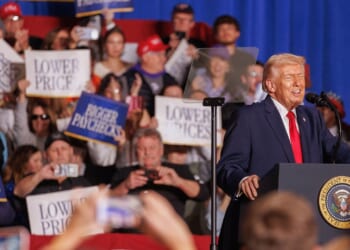
The current situation marks another twist in the question of whether China will receive chip shipments first promised by President Donald Trump in early December, which included an arrangement for a 25 percent payment to the U.S. government. The same arrangement applies to similar chips from companies such as Advanced Micro Devices and Intel.
Breitbart News senior contributor Peter Schweizerhas noted that ByteDance has close ties to the Chinese government:
Schweizer points out that if China refuses to agree to a sale, it is because, as he disclosed in Blood Money, the algorithm used by the app is considered a state secret, not a regular “business” secret. The Chinese government has been quoted calling the app “a modern-day Trojan Horse” and a “key part of their information-driven mental warfare” against the West. The book showed that ByteDance does joint research with Chinese intelligence agencies on how to manipulate people online.
“China has been studying this for years,” he adds.
Anthropic CEO Dario Amodei recently compared selling AI chips to China with selling nuclear weapons to North Korea:
In an interview with Bloomberg Editor-in-Chief John Micklethwait, Amodei stated that permitting these chip sales would constitute a major error in judgment. “It would be a big mistake to ship these chips. I think this is crazy. It’s a bit like selling nuclear weapons to North Korea.”
The controversy stems from recent policy shifts under President Donald Trump’s administration, which has moved to ease restrictions on advanced AI chip exports to China. This represents a substantial departure from previous policy approaches designed to prevent China and its military from accessing American technology for AI development purposes. The policy change marks a significant victory for Nvidia, which has argued that maintaining the export ban would simply drive China to develop domestic alternatives to American chips.
Read more at Reuters here.
Lucas Nolan is a reporter for Breitbart News covering issues of free speech and online censorship.