Nuclear Energy Now tracks the latest nuclear energy developments across technology, diplomacy, industry trends, and geopolitics.
Bulgaria Is Advancing New AP1000 Units
Bulgaria’s Kozloduy Nuclear Power Plant (NPP)-New Build EAD signed an agreement with Laurentis Energy Partners, Canadian Nuclear Partners SA (CNPSA), and BWXT Canada for two Westinghouse AP1000 units. The contract will also include technical advisory and project management oversight and is valued in the hundreds of millions of euros. It supports Bulgaria’s target of bringing Unit 7 online in 2035 and Unit 8 in 2037, adding 2,300 megawatts electric (MWe) of capacity to a site that currently supplies one-third of the country’s electricity. This agreement builds on the selection of Westinghouse’s AP1000 in 2023 and the 2024 engineering contract signed by Hyundai Engineering & Construction, Westinghouse, and Kozloduy NPP-New Build. Additionally, in July, Citibank agreed to partner with the Ministry of Energy to secure financing for the two new units, and site selection approval was granted in November.
Previously, Kozloduy hosted six Soviet VVER-440 units, but four were closed as part of Bulgaria’s EU accession process. The remaining units, which were upgraded to extend operations, will need replacement by 2050, prompting Sofia to explore small modular reactors (SMRs) as part of its long-term strategy to reduce coal usage and to diversify away from Russia. With Canada planning to begin construction on its first SMR, and the Trump administration expanding support for advanced reactor technologies through the Reactor Pilot Program, Bulgaria’s deepening partnerships with both countries position it well for future collaboration on additional reactor units.
Turkey and South Korea Expand Nuclear Cooperation
Turkey’s nuclear energy company (TUNAS) and Korea Electric Power Corporation (KEPCO) signed a memorandum of understanding (MoU) on nuclear project development, technology and data sharing, site evaluation, project financing, and workforce development. Turkey is currently accelerating its plans to expand its nuclear fleet, with plans for at least 16 SMRs and to commission 12 reactors by 2050, according to Turkey’s Energy Minister Alparslan Bayraktar. Currently, Russia is building four VVER-1200 units with a capacity of 4,800 MWe at the Akkuyu Nuclear Power Plant, with the aim of all four units being operational by 2028. Ankara is also pursuing a second large nuclear project in Sinop, where Turkey’s energy minister has said South Korea may play a leading role. The MoU also fits into Turkey’s broader alignment toward Western civil-nuclear partners: in September, Turkey signed an MoU with the United States, with Sinop and Thrace as potential sites for new US-supported projects. As South Korea simultaneously expands its nuclear agreements with the United Arab Emirates and other partners, Turkey could become another strategic arena where US and South Korean civil-nuclear interests could work together to compete with Russia and China in export markets.
The Asian Development Bank Opens the Door to Nuclear Power
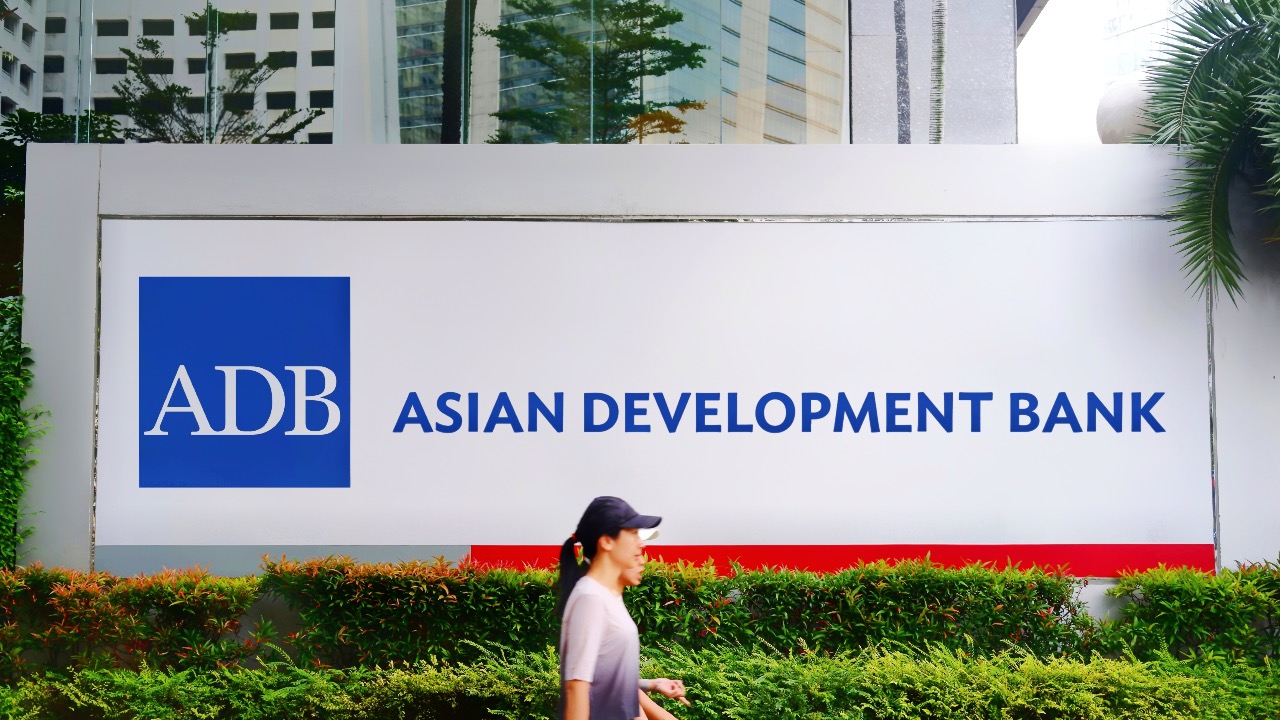
Earlier this year, the World Bank announced that it would reverse its ban on funding for nuclear power projects, in line with rising nuclear energy sentiment, increasing energy demand, and nuclear as a carbon-free energy source to address climate change. Now, the Asian Development Bank (ADB) has revised its policy to allow financing for nuclear power projects. ADB President Masato Kanda said the move will help countries meet growing electricity needs, noting that nuclear power offers a reliable alternative for baseload supply. The bank also signed an agreement with the International Atomic Energy Agency (IAEA) to support member states that are exploring nuclear energy, providing guidance across the nuclear life cycle, identifying projects for collaboration, and cooperating on radioactive waste, safety, and security. The decision by ADB strengthens international momentum behind nuclear power, particularly as China is rapidly expanding its reactor fleet and is pursuing export markets. Beijing is currently building 34 reactors and has positioned its Hualong One and CAP1400 designs for global deployment, backed by full fuel-cycle capabilities and high-level political support. For developing countries, ADB’s policy change could offer an alternative to fossil-fuel development—an issue debated in global energy forums—and give them access to new financing pathways that make nuclear more viable than coal or gas as they seek affordable, low-carbon growth.
The Department of Energy Selected Two SMR Projects for Federal Funding
Under the Biden administration, the Department of Energy (DOE) opened applications to provide funding for the deployment of Generation III+ (Gen III+) SMRs. The funding would include $800 million for two teams, with an additional $100 million available to address issues that have previously delayed plant deployments. Under the Trump administration, DOE reissued the application to better align with President Donald Trump’s focus on energy dominance. This week, DOE selected Holtec and the Tennessee Valley Authority (TVA) to receive $400 million each in federal funding, with the additional $100 million to be awarded later this year. Holtec plans to deploy two SMR-300 units—Pioneer 1 and 2—at the Palisades Nuclear Generating Station in Michigan, creating a repeatable, fleet-scale model that reduces costs, shortens construction timelines, and could support additional orders. Holtec plans to have the Pioneer reactors online in the early 2030s. The project comes alongside Holtec’s effort to restart the Palisades Nuclear Power Plant, which would make it the first US reactor to return to service after entering decommissioning. In comparison, TVA aims to accelerate the deployment of a GE Hitachi BWRX-300 at the Clinch River site in Tennessee, supported by a coalition of utilities and research partners, including Indiana Michigan Power, Duke Energy, and the Electric Power Research Institute, among others. Earlier this year, TVA submitted an application to the US Nuclear Regulatory Commission (NRC) to start construction on the first BWRX-300 SMR, but the NRC is still reviewing the application.
About the Author: Emily Day
Emily Day is an experienced researcher, writer, and editor with expertise in geopolitics, nuclear energy, and global security. She is an associate editor of Energy World and Techland at The National Interest and a senior research associate at Longview Global Advisors, where she provides insights on global political and economic trends with a specialization in utilities, risk, sustainability, and technology. She was previously a Della Ratta Energy and Global Security Fellow at the Partnership for Global Security.
Image: Poetra.RH/shutterstock