|
Forwarded this email? Sign up for free to have it sent directly to your inbox.
|
|
|
Good morning,
Today, we’re looking at why New York’s electrical grid could be under threat, a new wealth-tax bill, and a reflection on two decades in Washington, D.C.’s political swamp.
Write to us at editors@city-journal.org with questions or comments.
|
|
|
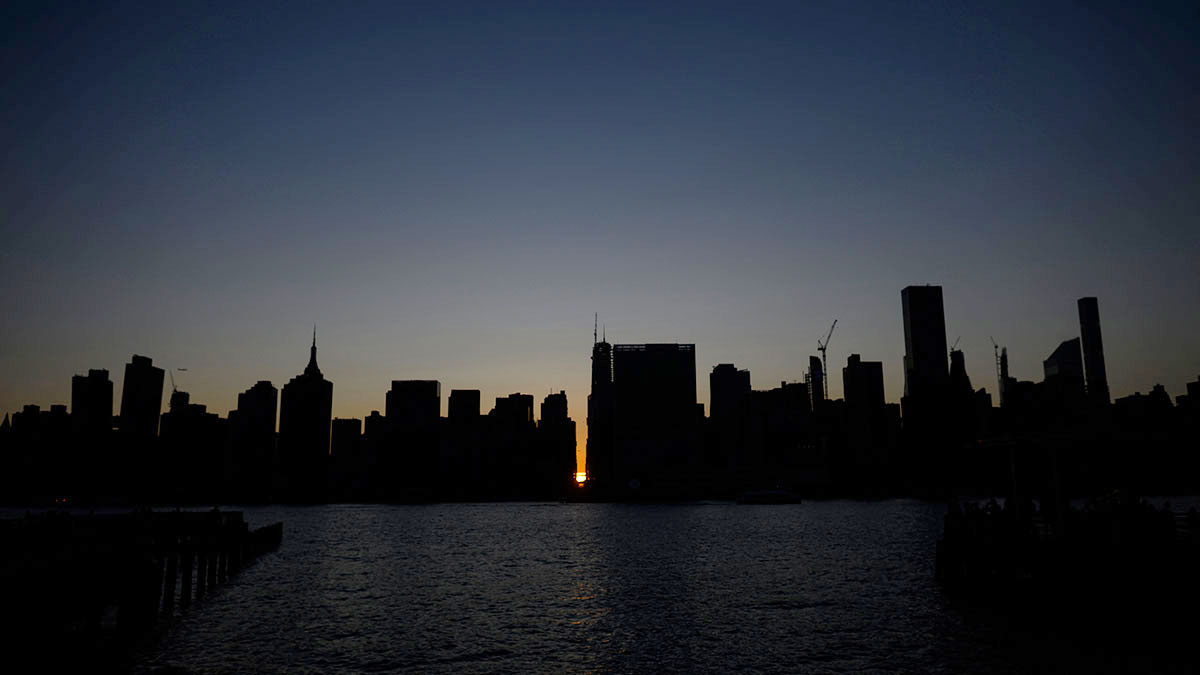
Thanks to the 2019 Climate Act, New York has until 2030 to cut greenhouse gas emissions by about one-quarter. The state hasn’t made much progress, and if Governor Kathy Hochul can’t convince lawmakers to change the legislation, New York could be headed for disaster.
“The law has saddled the state with three related but distinct problems: threats to the grid’s reliability, rising electric bills, and a looming surge in fuel prices,” Ken Girardin writes.
The most urgent issue is whether New York City will be able to keep the lights on. In 2021, officials blocked a major power plant upgrade in Astoria, citing the Climate Act. They blocked other upgrades and neglected replacing the small “peaker” power plants that were closed some years ago and that ran when demand was highest.
Meantime, customer rates have surged, and “electricity prices across Upstate New York could rise at least an additional 40 percent in the next five years,” Girardin writes. “Why? The Climate Act.”
Read more about the time bomb Hochul is facing.
|
|
|
Earlier this week, Vermont Senator Bernie Sanders and California Representative Ro Khanna introduced a bill that would impose a 5 percent tax on billionaires’ wealth each year and use that revenue to give $3,000 to everyone in a household earning $150,000 or less. It would also restore Affordable Care Act subsidies, add vision and dental coverage to Medicare, rehabilitate homes, and more.
The proposal “would be roundly rejected by most people who know anything about economics,” Alison Schrager writes. “Every country with wealth taxes has failed to raise much revenue from them. But those nations still suffered the consequences of having imposed the taxes, including the wealthy fleeing the country or entrepreneurs selling companies early to cover their tax bills.”
Read more about the Sanders-Khanna proposal, and why wealth taxes have long been considered economically damaging.
|
|
|
From “Mission Accomplished” to Obamacare to Joe Biden’s “normalcy” to Donald Trump 2.0, Ilya Shapiro reflects on two decades of wading through Washington, D.C.’s political swamp in his essay from City Journal’s Winter 2026 issue. In a career spanning Big Law, think tanks, and academia, Shapiro has watched as both Republicans and Democrats took turns sweeping into office on a familiar promise—that this time, they had the right plan to restore public trust in government.
“I moved to D.C. imagining that I’d help steer the ship of state in a more constitutionalist direction,” Shapiro writes. “Instead, I’ve spent most of it documenting how the crew keeps poking holes in the hull, then congratulating itself for bailing faster than the other party would have.”
Read here to find out what else he learned along the way—and where he believes the real beating heart of America lies.
|
|
|
“It sounds pretty reasonable to me. Protest all you want, but you can’t block roads. You might impede an emergency vehicle in a worst-case scenario. Somebody might die. But that’s exactly what these attention-seeking people want, especially the paid mercenaries.”
|
|
|
Photo credits: JOHANNES EISELE / AFP / Getty Images
|
|
|
A quarterly magazine of urban affairs, published by the Manhattan Institute, edited by Brian C. Anderson.
|
|
|
Copyright © 2026 Manhattan Institute, All rights reserved.
|
|
|
|
Source link