There is a moment in every true conversion, not the dramatic kind, but the hidden, lifelong kind, when we stop trying to look at God and finally allow Him to look at us.
That shift is everything. It is the difference between effort and surrender, between striving and sonship. It is also the beginning of real intimacy. We spend much of our lives thinking that if we could only see God more clearly, we would finally have peace. Yet peace does not come from seeing Him. It comes from allowing ourselves to be seen.
The Wound Beneath the Armor
We live in a world that teaches us to hide. From the time we are young, shame trains us to build armor, to protect the parts of ourselves we suspect are unlovable. We learn to manage our image, to curate what others see, and eventually we even bring that armor into prayer.
We speak to God through filters, as if He were our employer or a teacher waiting to grade our performance. We offer Him our best behavior, our practiced devotions, our polished apologies. We hide our real hearts behind pious words, hoping that if we appear devout enough, we will finally be acceptable to Him.
But that is not how the Father loves.
In Luke’s Gospel, the prodigal son returns filthy, barefoot, and rehearsing his apology. He plans to negotiate his way back into the household: “Treat me as one of your hired servants.” He cannot imagine that the father still wants him as a son. But before he can speak a word, his father sees him from far off, runs to him, embraces him, and covers him with the robe and ring of belonging.
The turning point of that story is not the son’s confession. It is the father’s gaze.
The father saw him. That is what began the healing.
Being Looked Upon by Love
St. Ignatius of Loyola taught that authentic prayer often begins not with words, but with stillness—simply imagining God looking at you. Not with judgment or disappointment, but with love. This is not sentimental spirituality. It is a profoundly theological act.
To let God look at you is to stand in the truth of who you are: created, fallen, and redeemed. It means stepping into the light where your illusions cannot survive. It can be terrifying.
When the false self begins to crumble, the part of us that has spent years surviving on performance and fear starts to panic. We feel exposed, as if the entire structure we built to keep ourselves safe is collapsing. Yet that collapse is not destruction. It is grace.
Because when we stop hiding, we finally make room for God to be who He really is: a Father who loves us.
The Gaze That Heals
In prayer, the gaze of God does what no amount of self-improvement ever could. It reveals the truth without crushing us. It exposes sin without condemning the sinner. It brings light to the corners of the soul we had forgotten existed.
When we allow God to look upon us, we begin to see ourselves truthfully—without exaggerating our goodness or despising our weakness. The light that once felt unbearable becomes the light by which we can finally see.
This is what transforms shame into sonship. Shame says, “If God really saw me, He would turn away.” Sonship says, “Because He sees me, I am free.”
One isolates. The other restores.
Advent and the Eyes of God
This is the silent miracle of Advent. The infinite God chooses to see us not from a throne but from a manger. The eyes that will one day look upon the Cross first open to look upon us from the arms of Mary.
The gaze of the infant Christ is not one of scrutiny, but of love that asks for nothing in return. In Bethlehem, God does not demand to be understood or even recognized. He simply desires to be received. He comes not to be hidden from, but to be met. Not to judge, but to love.
Every Advent is a renewal of that encounter. We are invited once again to stand still long enough to be found.
Letting Yourself Be Found
As Advent begins, let it be a season not of proving, but of being found. Take a moment each day to sit quietly before God, no agenda, no performance. Let Him look at you. Let His gaze rest on your fear, your exhaustion, your unspoken grief. Let Him look on the parts of you that still feel unworthy or unfinished.
You do not have to fix yourself to be loved. You only have to stop running. Because long before you searched for God, He was already on the road, running toward you.
And when you finally allow yourself to be seen, you will discover what the prodigal son learned in the arms of his father: that being loved was never the reward for returning. It was the reason you were able to come home at all.
This Week’s Invitation: Practice allowing yourself to be seen by God without immediately responding, fixing, or performing. This is the heart of Week 1 in the Exercises: receiving the gaze of the Father.
1. Find Your “Still Point”
Carve out 2–5 minutes today to stop and simply become aware of God’s presence. No words. No agenda. Sit or stand still, breathe slowly, and repeat interiorly: “Here I am, Lord.” Let yourself be looked upon.
2. Practice the Ignatian ‘Preparatory Prayer’
Before any prayer—morning, night, or at lunch—say: “Lord, let all my intentions and actions be directed purely to Your praise and service.” You’re giving God permission to love you and guide the next few minutes.
3. Do One Concrete Act of Sonship/Daughterhood
Ignatius always connects prayer to action. Choose one of these:
- Let someone serve you today without apologizing or resisting.
- Accept a compliment instead of deflecting it.
- Ask for help with something small.
These simple acts reinforce the truth: you are loved, not self-made.
4. Name One Fear You Carry Into God’s Gaze
Tonight or tomorrow morning, write one sentence: “Lord, I am afraid that if You truly see me, then… [name it].” Do not solve it. Just place it before Him. This honesty is Ignatian gold—it opens the heart to real encounter.
5. Pray With Week 1’s Scripture: Luke 15:20
Spend 3–5 minutes with this line from the Prodigal Son: “While he was still a long way off, his father caught sight of him, and was filled with compassion.” Imagine the Father seeing you from a distance. Where are you on the road? How does the Father move toward you?
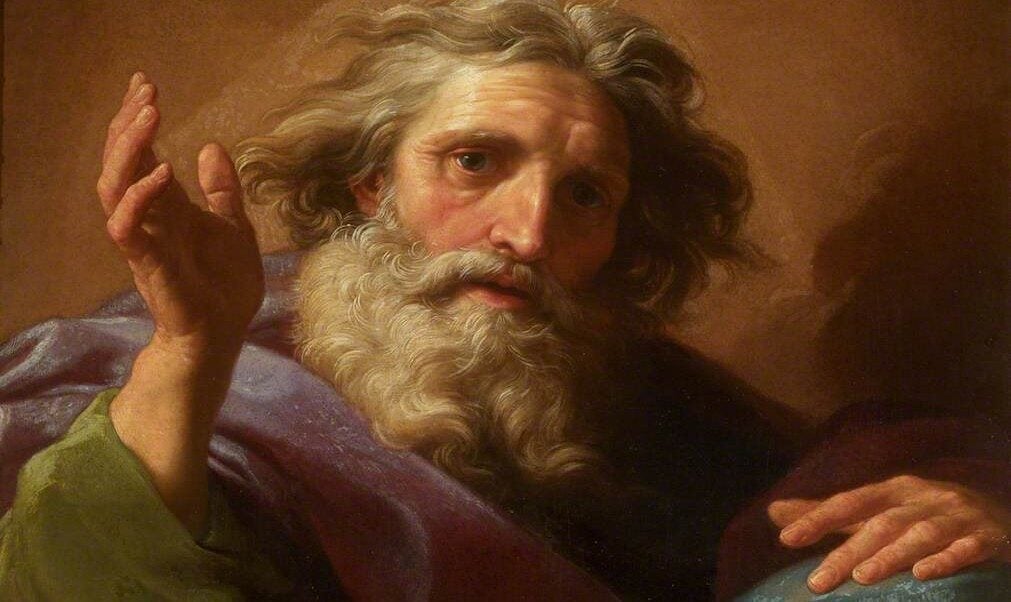
Image from Wikimedia Commons