In the latest episode of Russia Decoded, hosts Andy Kuchins and Chris Monday look at how Russian state media is navigating the ongoing Iran War, a high-profile oil delivery to Cuba, and Ukraine’s escalating drone campaign.
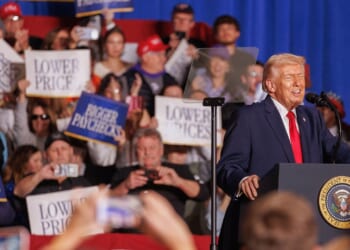
As the Iran War enters its second month, the global energy crisis continues to deepen with the ongoing closure of the Strait of Hormuz. US gas prices have reached their highest levels in four years, and the European Union is considering reviving the energy crisis measures it implemented in the wake of Russia’s full-scale invasion of Ukraine in 2022. Although President Trump has temporarily paused attacks on Iran’s energy facilities pending negotiations, the situation remains precarious. The White House has threatened to “obliterate” Iran’s energy infrastructure should the talks not produce a quick and suitable resolution. Russia continues to benefit from the ongoing crisis, after the United States granted a sanctions waiver to Russian energy transactions until at least mid-April.
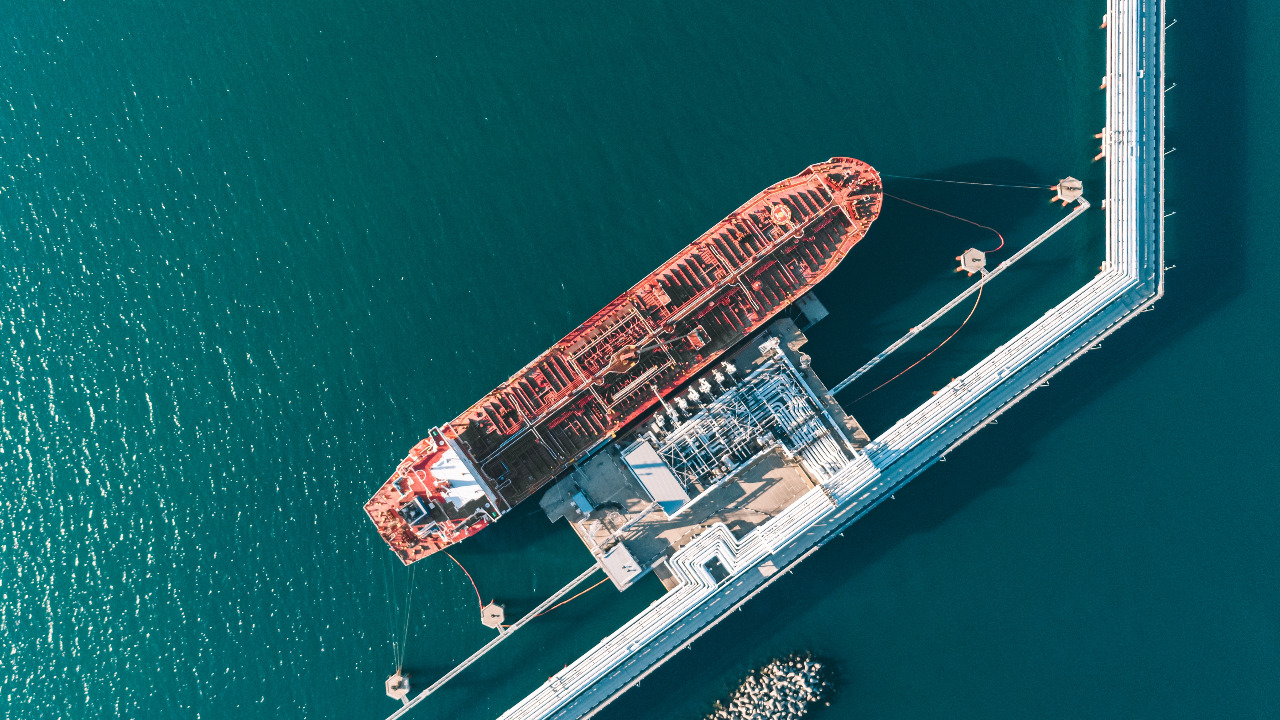
This policy appears to extend to Cuba. Months into a US-imposed oil blockade, the Caribbean island faces dire fuel shortages and power outages. On Monday, the US allowed the Russian oil tanker Anatoly Kolodkin to dock at the port of Matanzas — Cuba’s first significant oil delivery in three months. President Trump has downplayed the surprise decision, which effectively lifts the blockade. The delivery of Russian oil “[is] not going to have an impact,” the president told reporters aboard Air Force One. Russian state media described the delivery as a collaborative move between Moscow and Washington.
Against the backdrop of the global energy crisis, Ukraine has continued its long-range drone campaign against Russia, striking the Vyborg Shipbuilding Plant in Russia’s Leningrad region, nearly 1,000 kilometers from the war’s front lines. The strike, which damaged the Russian icebreaker Purga and a nearby research ship, is part of a broader campaign against Russian military and energy infrastructure near the Baltic. Similar recent strikes have targeted the Novatek gas processing complex at Ust-Luga and the Primorsk oil terminal. The Kremlin seems to have placed a news blackout on such incidents.
Last week saw Belarusian President Alexander Lukashenko make his first-ever official visit to North Korea, meeting Supreme Leader Kim Jong-un for two days of bilateral talks culminating in the signing of a friendship and cooperation treaty. While the talks drew two of Russia’s closest allies together, Russian state media seemed to downplay Lukashenko’s trip.
Does Russia stand to gain more from the global energy crisis? How does Ukraine’s latest drone campaign in the Baltic region affect the Kremlin’s war calculus? And what does the Lukashenko-Kim summit signal about the future of Russia’s alliance network?
In this episode of Russia Decoded, Andy Kuchins and Chris Monday unpack how Vladimir Putin and Russian elites understand the world and how they seek to influence it. Listen now on Apple, Spotify, or wherever you get your podcasts.
Have feedback? Email us at [email protected].
About the Speakers: Andy Kuchins and Chris Monday
Andrew C. Kuchins is currently a senior fellow at the Center for the National Interest and an adjunct professor at the Johns Hopkins University School of Advanced International Studies. He has served as President of the American University of Central Asia and the Director of the Carnegie Moscow Center as well as the Russia and Eurasia Programs at the Carnegie Endowment for International Peace and the Center for Strategic and International Studies. He is the author or editor of 7 books and published columns for The Wall Street Journal, The New York Times, The Washington Post, and many other media outlets.
Chris Monday is an associate professor of economics at Dongseo University in Busan, South Korea.