Many immigrants to the United States see military service as a pathway to citizenship. In practice, however, the transition is rarely easy or straightforward.
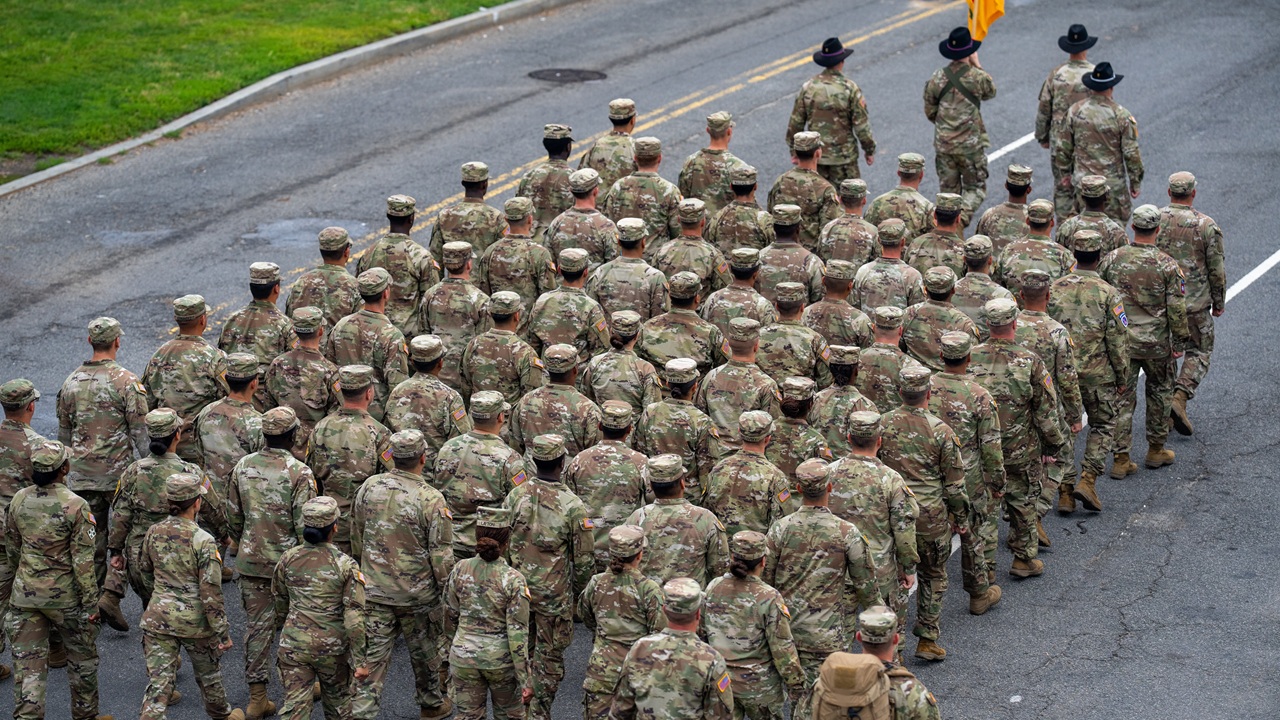
The United States of America is a country largely composed of immigrants, with nearly all of its population tracing its roots to other parts of the world. Moreover, many immigrants serve in the US military with the hope that it will pave the way for citizenship.
“If you served honorably in the US armed forces for at least one year at any time, you may be eligible to apply for naturalization,” according to the US Citizenship and Immigration Services. But “may be eligible” are the key words. Military service does not guarantee citizenship.
“Some general naturalization requirements apply under INA 328; other requirements may not apply or are reduced,” USCIS wrote.
Although the issue of a path to legal citizenship is in the spotlight as President Donald Trump has vowed to carry out the “largest deportation operation in the history of [the United States],” it isn’t new.
In 2022, during the Biden Administration, FWD—the bipartisan political advocacy organization founded in 2013 by tech leaders, including Mark Zuckerberg and Bill Gates, to promote reform in US immigration and criminal justice systems—reported that approximately 45,000 foreign-born veterans were actively serving in the US Armed Forces, even as naturalization rates among US veterans had dropped significantly.
“Only 2,588 service members naturalized in 2019, compared with 8,885 in 2016,” FWD wrote. It added that between 2013 and 2018, as many as 2,000 veterans had been deported.
The Trump Administration Is Moving the Goalposts for Citizenship
The situation continues to get worse, and critics contend it is akin to moving the goalposts during a football game or changing the rules midgame, never in the service member’s favor.
During the first Trump administration, new mandatory wait times were implemented, creating a barrier for those who had served and wanted to become US citizens.
Even worse, “Some immigrants who hold critical language and medical skills were invited to enlist in the military with a promise of citizenship,” according to Military.com—only to have the terms changed after those individuals completed their service.
“Federal law allows for expedited naturalization for noncitizen service members, particularly during designated periods of conflict,” Military.com wrote.
The law understood that those who may face deployment to a combat zone shouldn’t then face deportation in the future. Individuals who were ready to give their lives for the United States would be rewarded with expedited citizenship. It further meant that service members who served during a “designated period” of conflict would be able to “apply for citizenship without meeting standard residency or physical presence requirements.”
Yet even that process has been far from automatic, resulting in some veterans failing to remain noncitizens even after being honorably discharged from the military.
Supporters of the deportations note that some of the high-profile cases have involved individuals who were arrested and served prison time for violent crimes. Others were tied to past drug charges, which may have occurred before honorable military service.
Unfortunately, noncitizens convicted of criminal offenses don’t get a second chance in the citizenship process, even if they’ve been in the military.
“Supporters of strict enforcement argue that military service should not exempt individuals from immigration law. Others say deportation in these cases amounts to a second punishment, particularly when offenses may be tied to trauma experienced during military service,” Military.com wrote.
A New Zealand-Born Marine Is Being Deported
Paul Canton is one example of how the system may seem to be flawed, even when he thought he did everything right. Canton was born in New Zealand in 1971, but his family moved to Australia when he was 5 years old. Many years later, he visited the United States as a student. Wishing to remain in the USA, he believed military service would be a path to citizenship.
Canton enlisted in the US Marine Corps in 1991 and said he was told he would receive citizenship for his service if he were honorably discharged. He served for 7 years, was honorably discharged in 1998, and married a US citizen, raising two children.
Canton believed he was a citizen, but only years later found out he wasn’t. He spent years trying to navigate the immigration system. Last month, his application for citizenship was denied, with the court ruling that the law applied only to those who served during the period of hostility.
He has no criminal history, yet his wife has since died, preventing her from sponsoring him for citizenship. Moreover, because he had (unintentionally) voted in US elections while nominally ineligible to do so, he is no longer eligible for sponsorship through his current partner or adult son.
To make matters worse, Canton’s Australian citizenship was revoked due to his service in the US military. Canton faces deportation to New Zealand—a country he hasn’t returned to since he was a small child. He is also ineligible to seek American citizenship, and won’t legally even be allowed to return to the country to visit his children.
About the Author: Peter Suciu
Peter Suciu has contributed to dozens of newspapers, magazines and websites over a 30-year career in journalism. He regularly writes about military hardware, firearms history, cybersecurity, politics, and international affairs. Peter is also a contributing writer for Forbes and Clearance Jobs. He is based in Michigan. You can follow him on Twitter: @PeterSuciu. You can email the author: [email protected].