Amid Haiti’s ongoing political chaos and economic collapse, Christians continue to cling to faith and hope as general elections approach, a missionary priest says.
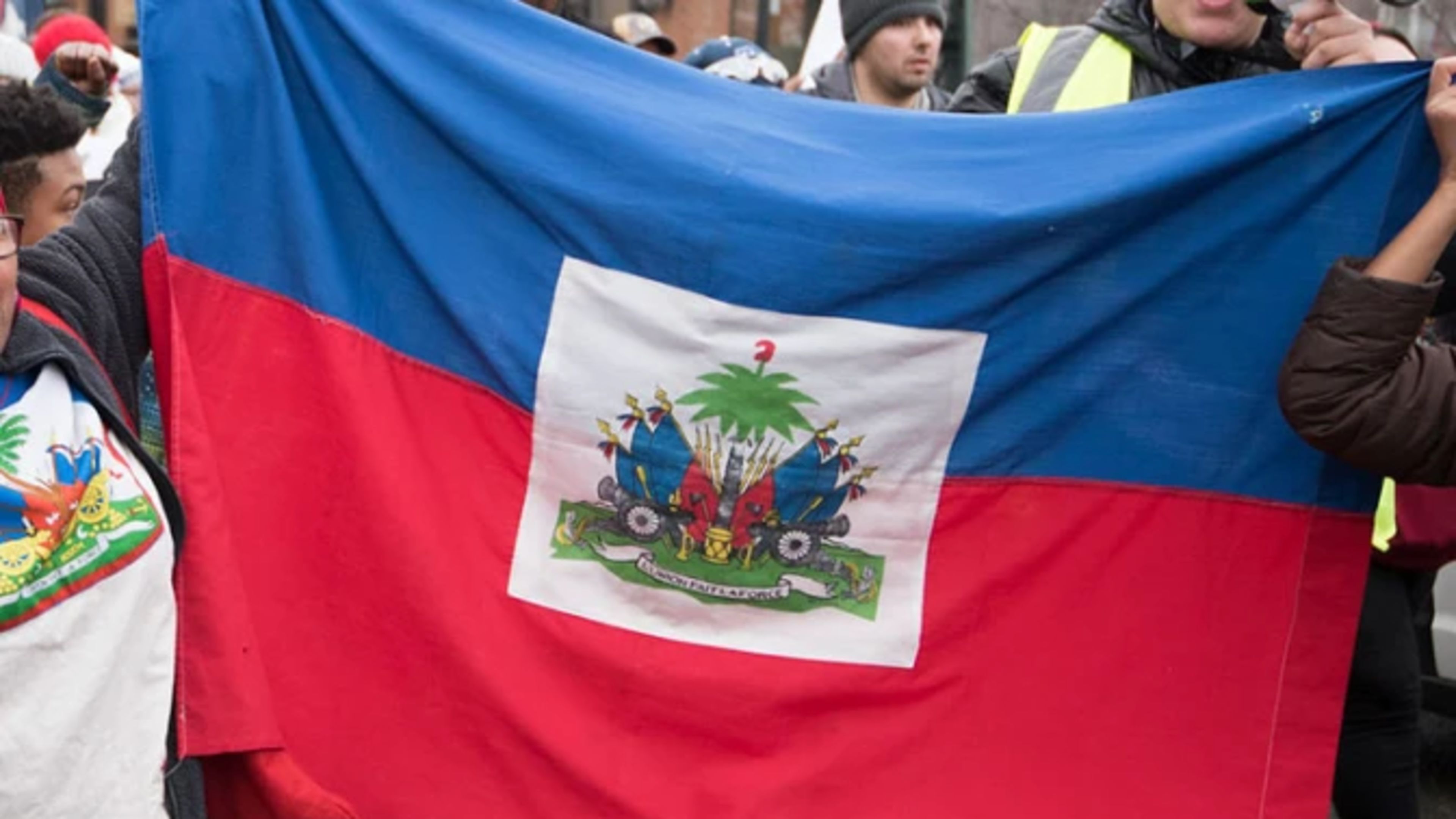
Amid deepening political uncertainty and widespread gang violence, a Camillian missionary in Haiti said the country’s upcoming elections offer a fragile hope for renewal, even as the path toward them remains “very vague and very uncertain.”
Father Massimo Miraglio, parish priest of Our Lady of Perpetual Help in the remote village of Pourcine Pic Makaya, told Vatican news agency Fides that despite the chaos, a resilient faith community continues to place the Lord at the center of its life and strives for a more dignified future.
The last presidential elections in Haiti were held in 2016 and were deeply controversial, with widespread allegations of fraud and extremely low voter turnout. Businessman Jovenel Moïse was declared the winner and took office in February 2017, serving until his assassination in July 2021.
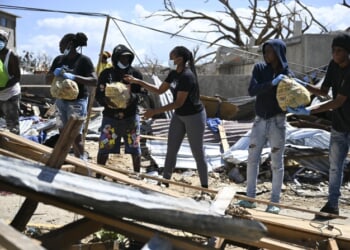
Since then, Haiti has spiraled into political chaos and violence — particularly in the capital, Port-au-Prince, where armed gangs operate unchecked and control a large portion of the territory.
The elections scheduled for later this year will determine the new president, fill every seat in the Senate and the lower House, and elect all local and municipal officials.
“The year 2026 is likely to be a turning point for Haiti, with elections planned … and the inauguration of the new president and Parliament in February 2027. But everything is still very vague and very, very uncertain,” Miraglio said.
In late February, Bishop Pierre-André Dumas, vice president of the Haitian Bishops’ Conference, said that these elections would be neither “transparent” nor “democratic” due to the economic and political problems facing the Caribbean nation.
Miraglio shares this view, noting that the country’s economic situation is “dire,” as inflation and the cost of living are “extremely high.” The country’s supply chain faces severe challenges due to the “complicated” and “arduous” routes involved in transporting goods.
“Everything that does arrive comes at a shocking cost in a country at a standstill, where there are no jobs, and where people struggle daily to scrape together the bare necessities. People live from day to day, and hope is gradually fading, as no significant changes are in sight to halt this terrible decline into which the country has plunged,” he said.
“There is a frightening institutional vacuum that has led to this situation,” he continued, “a truly tragic development in which millions of people are suffering and forced to live in the shadows in total fear because gangs continue to control the capital.”
Nevertheless, the priest highlighted the importance of religious celebrations in uplifting his community and fostering communion: “These are moments when we share what is most important: faith in God, a generous God who loves us and gives us hope and strength to face life’s challenge,” he said.
“The goal is to create a Christian community filled with the Holy Spirit, a community that strives to live the values of the Gospel daily; a community that places the Lord at the center of its life and seeks a dignified life in which everyone has what is necessary for their own well-being,” the missionary said.
This story was first published by ACI Prensa, the Spanish-language sister service of EWTN News. It has been translated and adapted by EWTN News English.
If you value the news and views Catholic World Report provides, please consider donating to support our efforts. Your contribution will help us continue to make CWR available to all readers worldwide for free, without a subscription. Thank you for your generosity!
Click here for more information on donating to CWR. Click here to sign up for our newsletter.