Germany and France had pledged to work together on the FCAS sixth-generation fighter jet, but their different priorities for the program appear increasingly irreconcilable.
French and German leaders will meet next month to discuss how to restart the stalled Future Combat Air System (FCAS) program to develop a sixth-generation manned fighter. The aircraft project has hit repeated turbulence as France’s Dassault Aviation and Germany’s Airbus Defense and Space have failed to reach an agreement on the sharing of the workload and intellectual property, Reuters first reported.
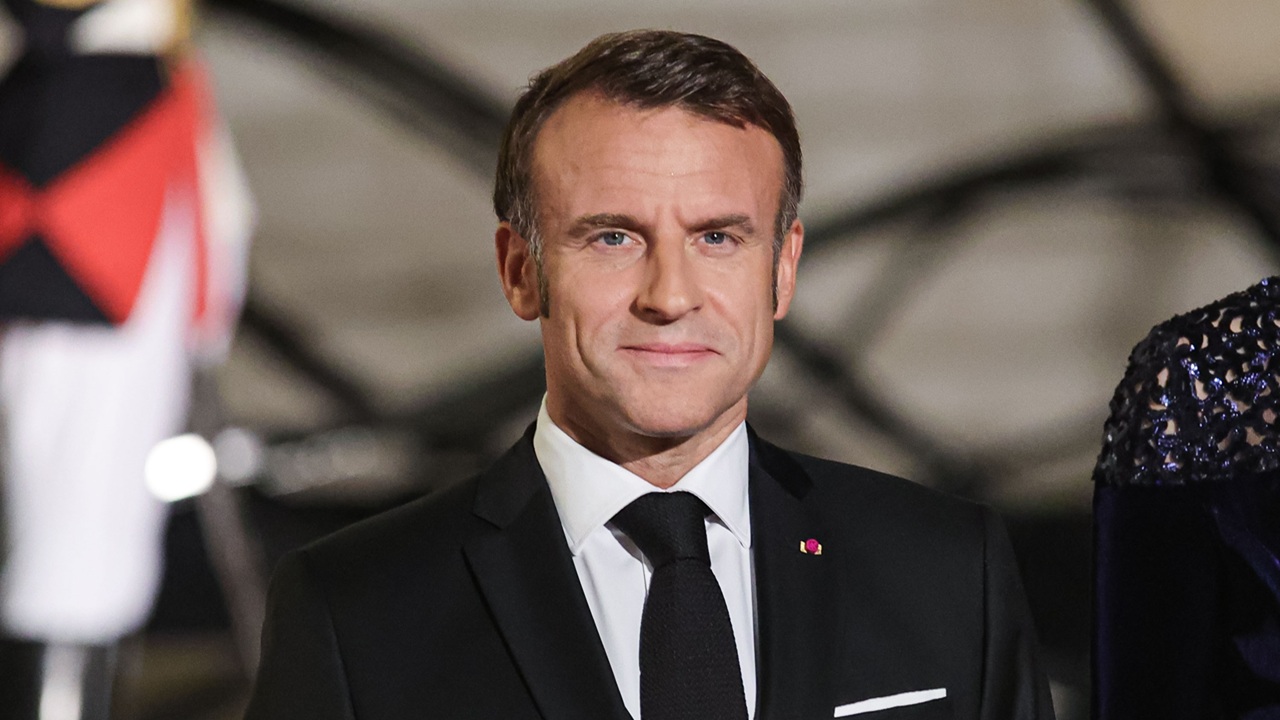
“They just can’t seem to agree. Our job is to ensure they reach an agreement, so we have jointly decided to launch an initiative to bring Airbus and Dassault closer together in the coming weeks,” French President Emmanuel Macron told reporters ahead of a European Council meeting. “This must be done calmly and respectfully, precisely to identify areas of common ground.”
France and Germany had previously pledged to reach an agreement by the end of last year, but then missed the self-imposed deadline.
Germany Accuses France of Dominating the FCAS Program
As previously reported, the goal of the FCAS program from the beginning was ambitious. It sought to redefine air combat, promote military independence from non-European nations (i.e., the United States), and strengthen NATO defense partnerships.
One issue has been that Dassault Aviation was initially slated to have 51 percent of the project’s workload. Instead, according to German sources, the French firm has sought to increase this to 80 percent—meaning the plane would be fundamentally a Dassault-produced aircraft with lesser input from Airbus, Spain’s Indra, and ITP Aero.
It is unclear, and perhaps even unlikely, that the companies will find common ground next month. Dassault Aviation is the lead developer of the fighter under the FCAS program, with Airbus overseeing the program’s structure. Dassault wants an even bigger role, but Airbus officials have said the already agreed framework should remain.
France and Germany Want Different Things from the FCAS Fighter
Another point of contention has been on the capabilities of the manned fighter component, as it will replace the Eurofighter Typhoon and Dassault Rafale. In a curious echo of history, the Rafale was itself born of France’s exit from the Typhoon program in the early 1980s—a situation that appears on track to repeat itself in the 2020s.
German officials have also suggested that one fighter might not address the differing requirements for a sixth-generation fighter, and that each nation should develop a combat aircraft, yet still under the larger FCAS umbrella. France has opposed such a move, even as it has called for a fighter that could carry nuclear weapons and be able to operate from its aircraft carriers.
Germany has no nuclear weapons and no aircraft carriers, and has no plans to build either. The FCAS’ capabilities in these regards are therefore something Berlin simply doesn’t need—a point made by German Chancellor Friedrich Merz, who told a political podcast in February, “That’s not what we currently need in the German military.”
But the idea of separate fighters, even those that could use the same “combat cloud” communications network, doesn’t seem to interest the French.
Dassault CEO Eric Trappier even went so far as to suggest that such a move would derail the program entirely.
“If Airbus maintains its position of not wanting to work with Dassault, then the project is dead,” Trappier said. “We will find other partners if we need to.”
The GCAP Program Is the Obvious Alternative for Germany
Although Trappier has suggested FCAS could bring in other firms, its options to do so are limited. Belgium has indeed sought to join FCAS as a junior partner, initially as an observer. However, other major European air powers—notably the UK and Italy—are already working with Japan on the Global Combat Air Programme (GCAP), which grew out of the UK-led Tempest initiative.
It was reported this week that Polish officials have met with their counterparts to join GCAP, and the door has been left open for Germany to join if the FCAS program collapses.
If that were to happen, it isn’t clear if Spain would stick with the French-dominated FCAS program or join Germany in the GCAP. However, the latter might make more sense, as Spain had been a core partner with the Eurofighter Typhoon alongside the UK, Germany, and Italy.
Saudi Arabia has also expressed a desire to play a role in GCAP, but it is unclear how large that may be.
The final wild card may be India, which is also seeking to join either of the sixth-generation aircraft consortia.
In practice, the most likely outcome seems to be a repeat of the 1980s split—leaving Europe with a pan-European GCAP consortium and a French-dominated FCAS one.
About the Author: Peter Suciu
Peter Suciu has contributed to dozens of newspapers, magazines and websites over a 30-year career in journalism. He regularly writes about military hardware, firearms history, cybersecurity, politics, and international affairs. Peter is also a contributing writer for Forbes and Clearance Jobs. He is based in Michigan. You can follow him on Twitter: @PeterSuciu. You can email the author: [email protected].