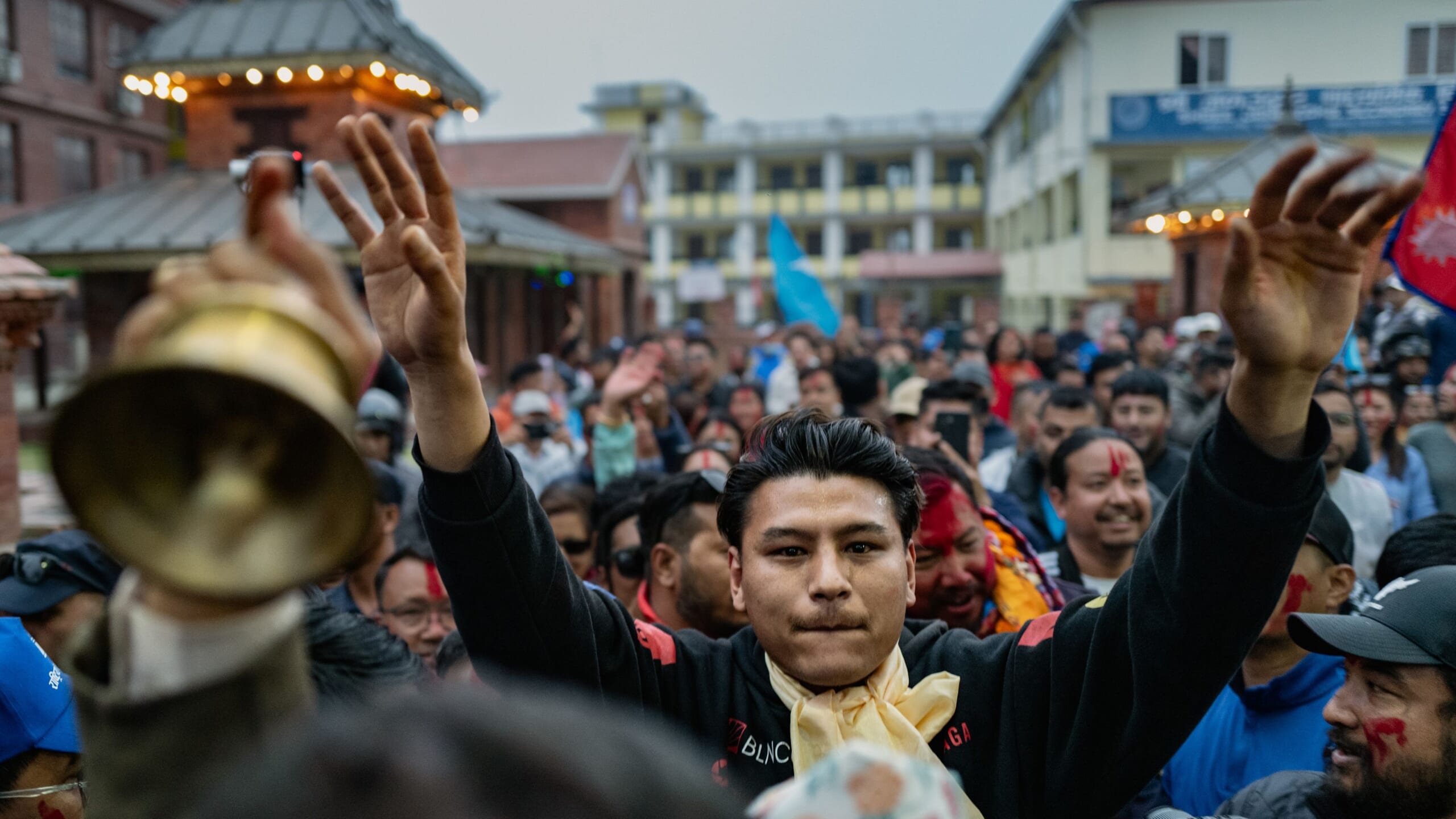
The Rastriya Swatantra Party won 125 of 165 directly elected seats in the March 5 vote, ending decades of coalition instability in the Himalayan nation.
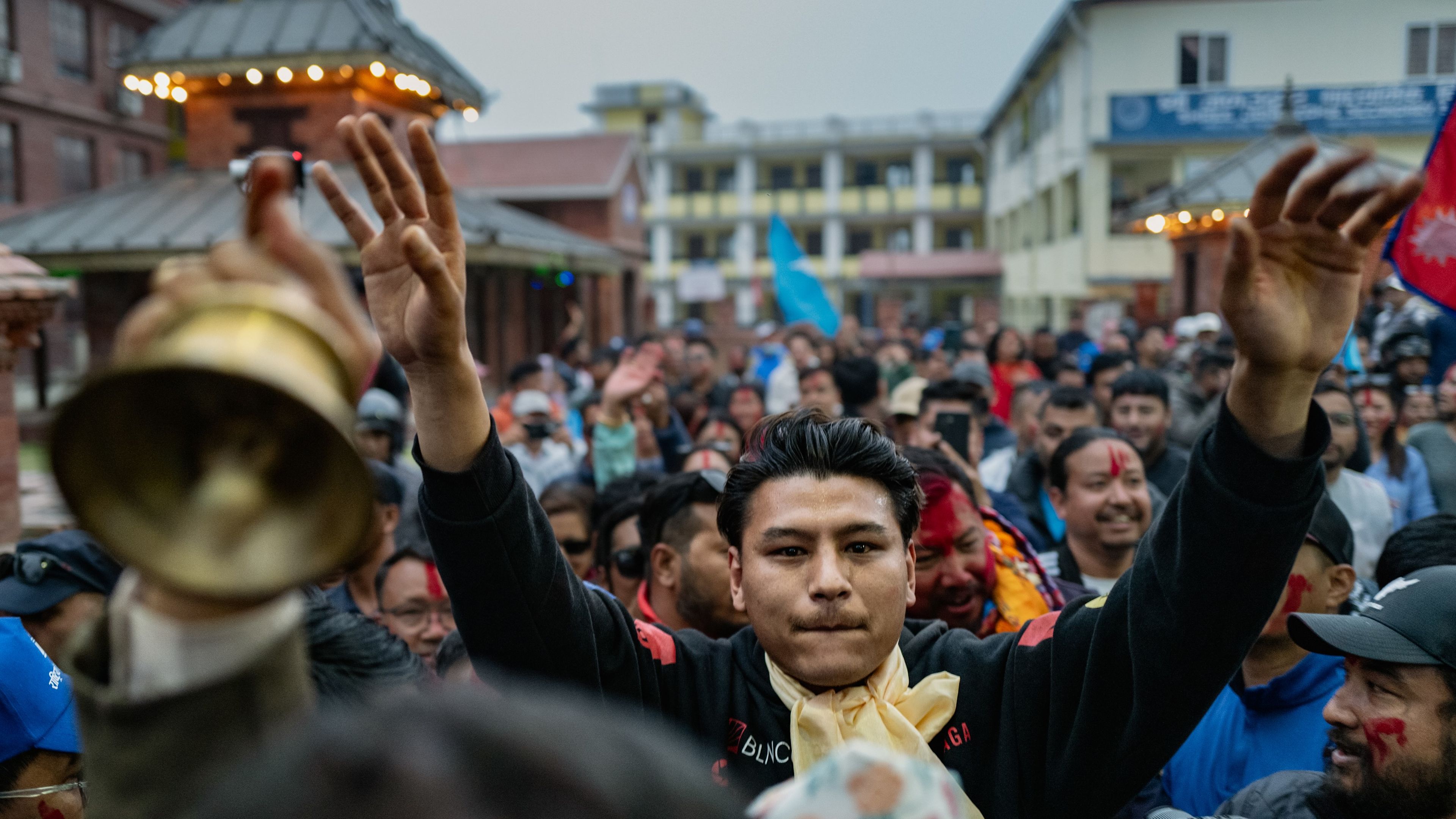
KATHMANDU, Nepal — Catholic leaders in Nepal have welcomed the landslide election victory of a new political party backed by the countryʼs young generation, which decimated the traditional political establishment.
“It is a mandate against all the misconduct of politicians and political parties,” Father Silas Bogati, apostolic administrator of the Apostolic Vicariate of Nepal, told EWTN News March 9.
“This overwhelming change was expected as people were fed up with the leaders playing musical chairs,” Bogati said of the result of the March 5 election in the Himalayan nation.
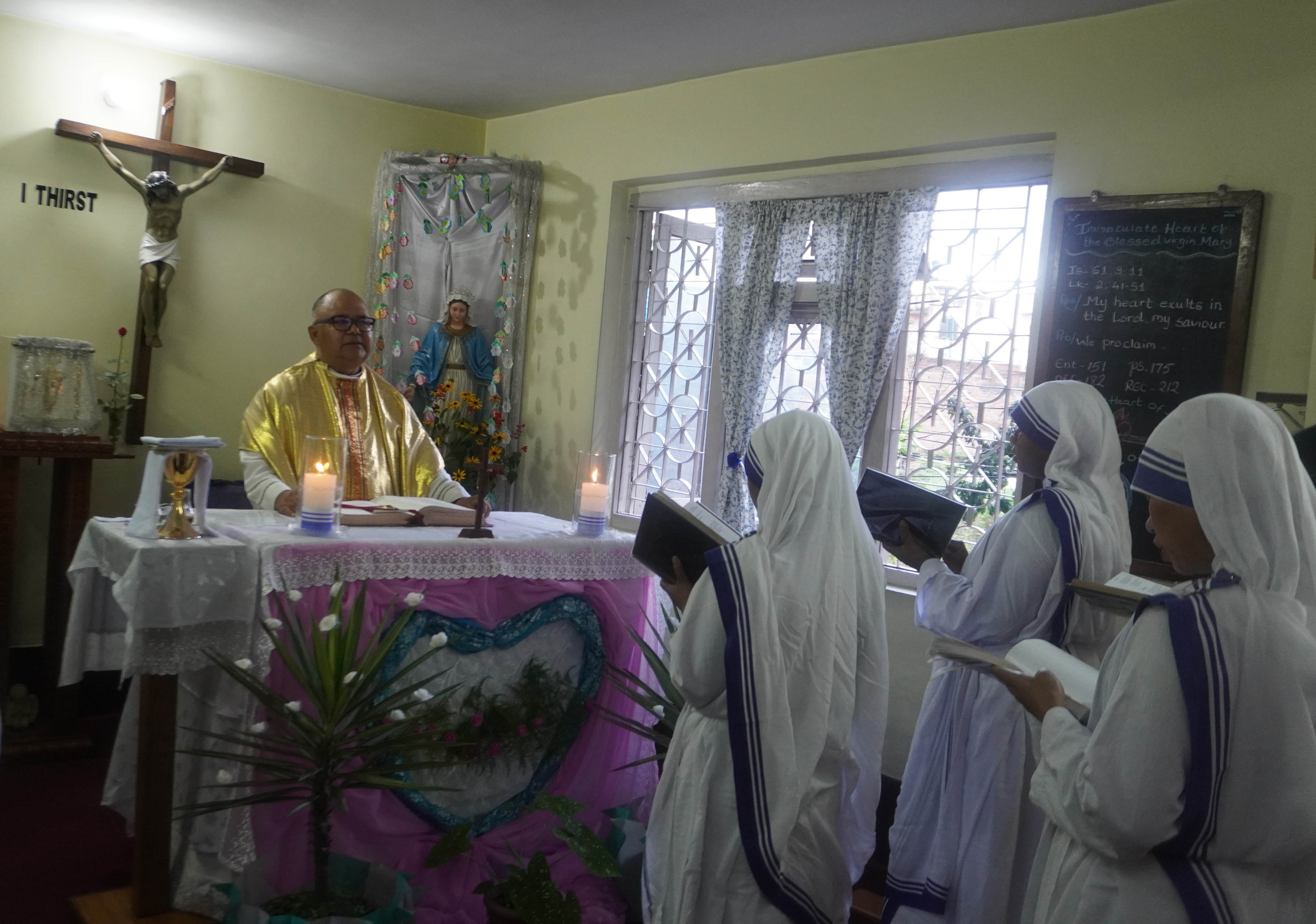
Nepal has had 14 governments since 2008, when it became a republic after abolishing the Hindu monarchy, with none of the three main political parties winning a clear majority.
The Rastriya Swatantra Party (RSP), or National Independent Party, has won 125 of the 165 directly elected seats in Parliament in the March 5 vote, according to Nepalʼs Election Commission.
The official declaration of the full results has been delayed as the commission must still allot the additional 110 seats in Parliament, which are decided on the basis of a simultaneous second vote for proportional representation.
Under the leadership of Balendra Shah, the RSPʼs 35-year-old prime ministerial candidate, the party rode a wave of public anger against the traditional political class. Shah, a rapper turned politician, has been mayor of Kathmandu since 2022 and took on a leading role in the RSP ahead of the election.
From social media ban to political upheaval
The youth leadership of the September 2025 bloody uprising that led to the overthrow of the government endorsed Shah as the face of the new political movement.
Following police firing on youth protesters rallying against a social media ban by the government on Sept. 8, killing at least 19 of them, Kathmandu and other parts of Nepal plunged into chaos.
Widespread anarchy and arson left at least 76 dead overall and even the Parliament building was torched, while Prime Minister K.P. Sharma Oli resigned. The interim government led by Sushila Karki, a former chief justice, restored order and called for the elections.
The massive victory of Shah, with 68,348 votes against four-time Prime Minister Oliʼs 18,734 votes in the Jhapa-5 constituency, symbolized the generational change in Nepal, the Himalayan Times reported, citing the Election Commission of Nepal.
“Well, it is quite a change … lots of people are shell shocked for this overwhelming change,” Bogati pointed out.
Compared with RSPʼs two-thirds majority, Nepali Congress has won 17 seats while Oliʼs Communist Party has eight seats.
‘Great hope for the Christians’
“We are very happy with the results. For the first time, we will have a government with a clear majority to address peopleʼs aspirations. That will be certainly good for the people,” Gyan Rai, a retired pilot and head of the Nepal chapter of the Catholic lay network Couples for Christ, told EWTN News.
“The political leadership has shifted out of the traditional political leaders and the youth takes over now,” added Rai.
Bogati was optimistic that the new government “will bring in end of corruption, employment opportunities and better governance, and for the Catholic Church freedom of religion.”
Though the Catholic Church was the first Christian body to establish a modern presence in Nepal, when missionaries arrived in 1950 on the invitation of the government to open schools, it has remained relatively small, with fewer than 10,000 members. Evangelical and Protestant churches, by contrast, number over 1 million adherents in the country of nearly 30 million people, after conversion restrictions were eased following the 2006 declaration of Nepal as a secular state.
“Tremendous enthusiasm is here over the youth leadership taking over the reign of the country. The election results also hold out great hope for the Christians,” Chirendra Satyal, one of the prominent Catholic converts in Nepal, hailing from the royal family of Hindu priests, told EWTN News.
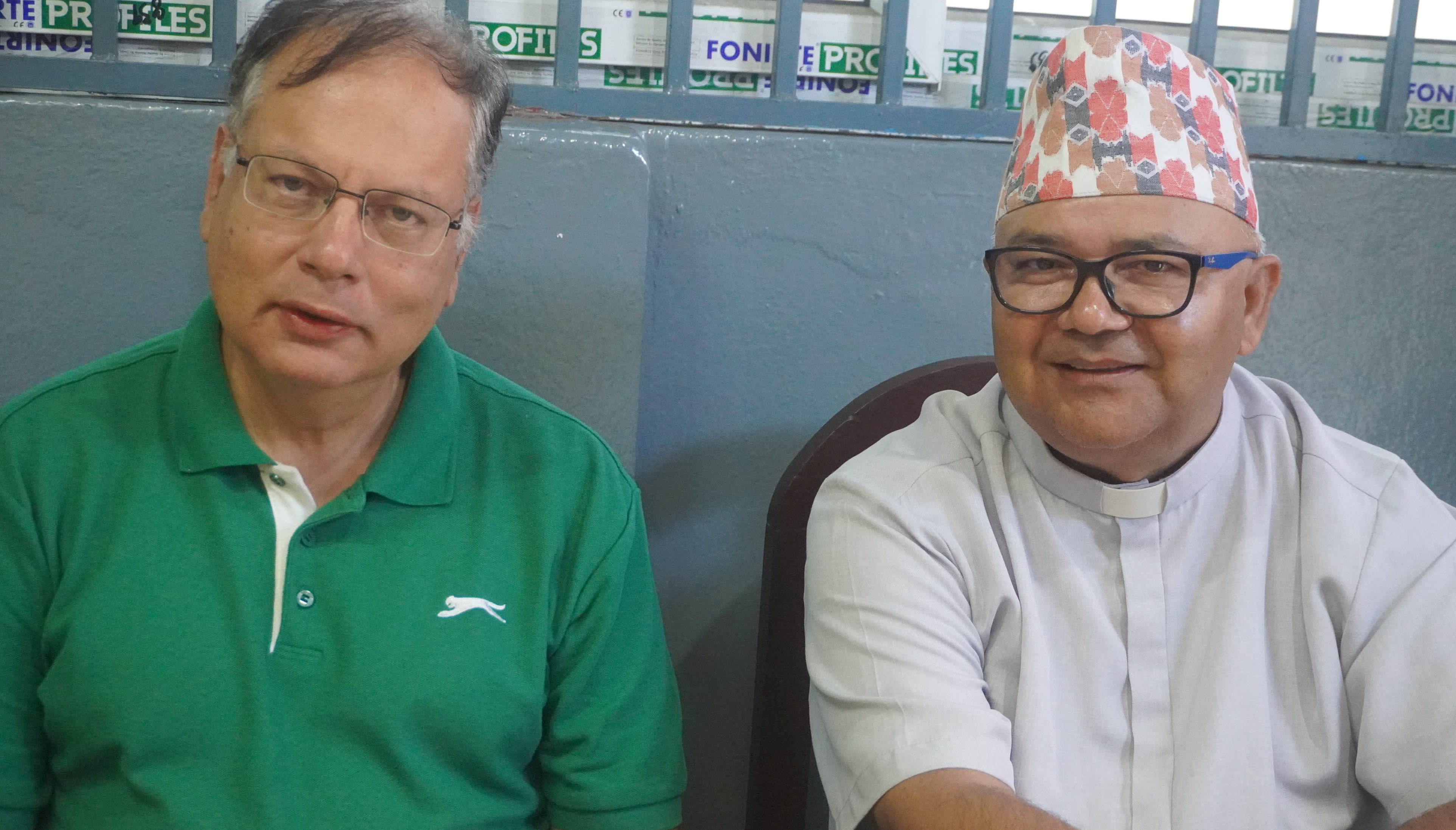
The Hindu nationalist Rashtriya Prajatantra Party (RPP), or National Peopleʼs Party, “that wanted to bring back and reestablish Nepal as a Hindu kingdom … has lost ground further this time. It has won just one seat,” pointed out Satyal.
Further, RPPʼs 14 seats under the proportional quota in the 2022 Parliament will come down to five due to a decline in the votes the party has polled, said Satyal, citing latest reports on the continuing vote count.
If you value the news and views Catholic World Report provides, please consider donating to support our efforts. Your contribution will help us continue to make CWR available to all readers worldwide for free, without a subscription. Thank you for your generosity!
Click here for more information on donating to CWR. Click here to sign up for our newsletter.