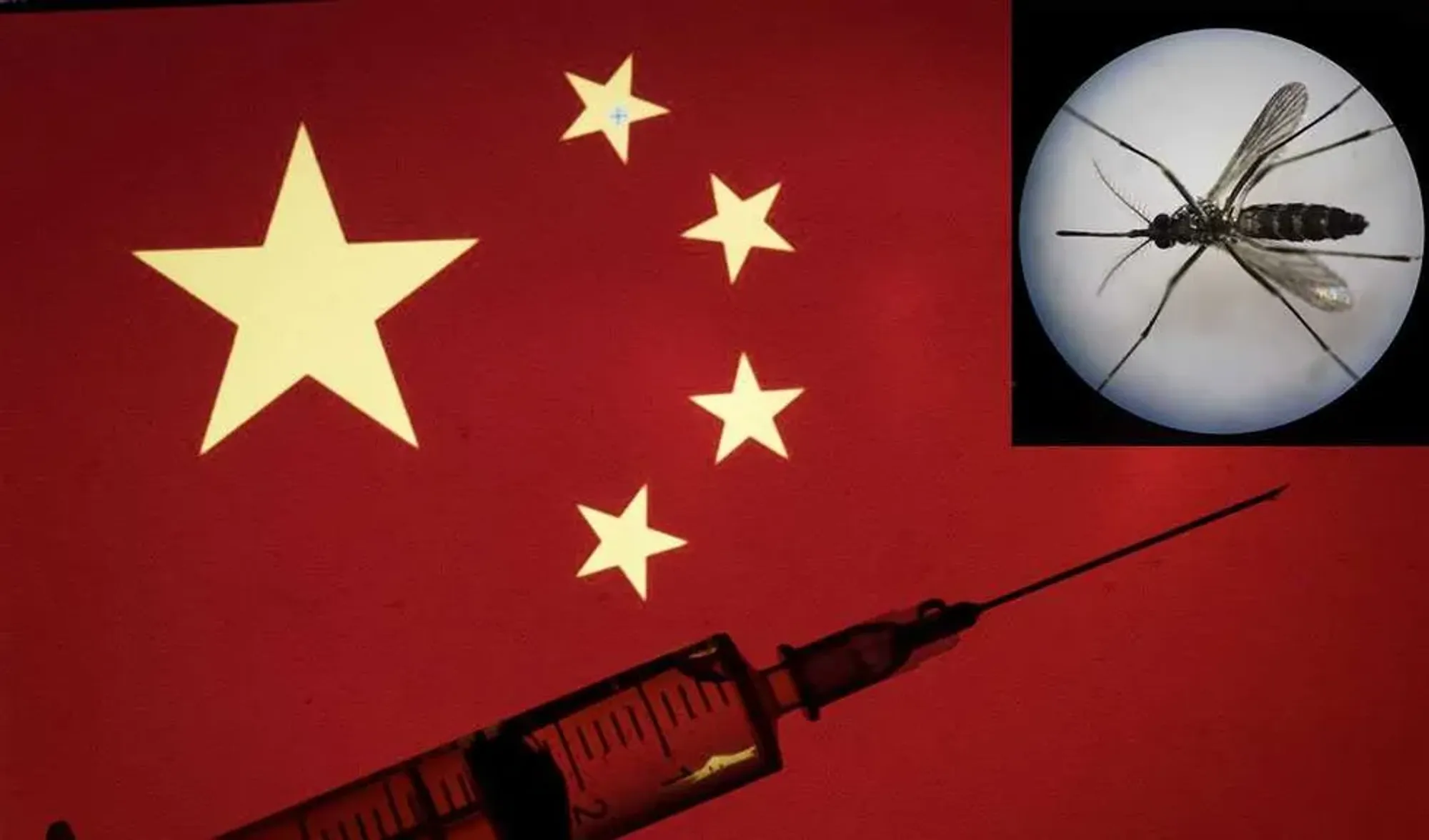
Researchers from the nation that likely unleashed COVID-19 unto the world have transformed mosquitoes into flying syringes.
Some researchers, including a group at the Bill Gates Foundation-backed Leiden University Medical Center in the Netherlands, have already attempted in recent years to fashion mosquitoes into flying vaccine delivery systems with human targets in mind.
‘Mosquitoes bite many things other than bats.’
Now, scientists at the state-controlled Chinese Academy of Sciences — an institution that has a strategic partnership with the People’s Liberation Army Academy of Military Sciences — have targeted bats, purportedly designing mosquitoes to instead deliver recombinant vesicular stomatitis virus-based rabies and Nipah vaccines to the flying mammals.
Like rabies, Nipah virus is a potentially deadly virus found in animals. Whereas rabies has nearly a 100% fatality rate in humans once symptoms manifest, the estimated case fatality rate for Nipah virus ranges from 40% to 75%.
The Chinese scientists’ study, published on March 11 in the peer-reviewed journal Science Advances, noted that bats, “representing ~22% of all mammalian species, are natural reservoirs for a wide range of zoonotic viruses, including coronaviruses, rhabdoviruses, and paramyxoviruses. Their unique physiological and immunological traits enable them to harbor pathogens without showing clinical symptoms, making them critical players in the emergence of infectious diseases.”
The scientists claimed that immunizing bats, especially in the wild, could possibly prevent transmission of the rabies and Nipah viruses to humans and other animals but acknowledged that “achieving this goal presents substantial challenges due to the wide geographic distribution, diverse diets, and large colony sizes of bat populations.”
RELATED: Damning study of over a million kids finds myocarditis only in the vaccinated
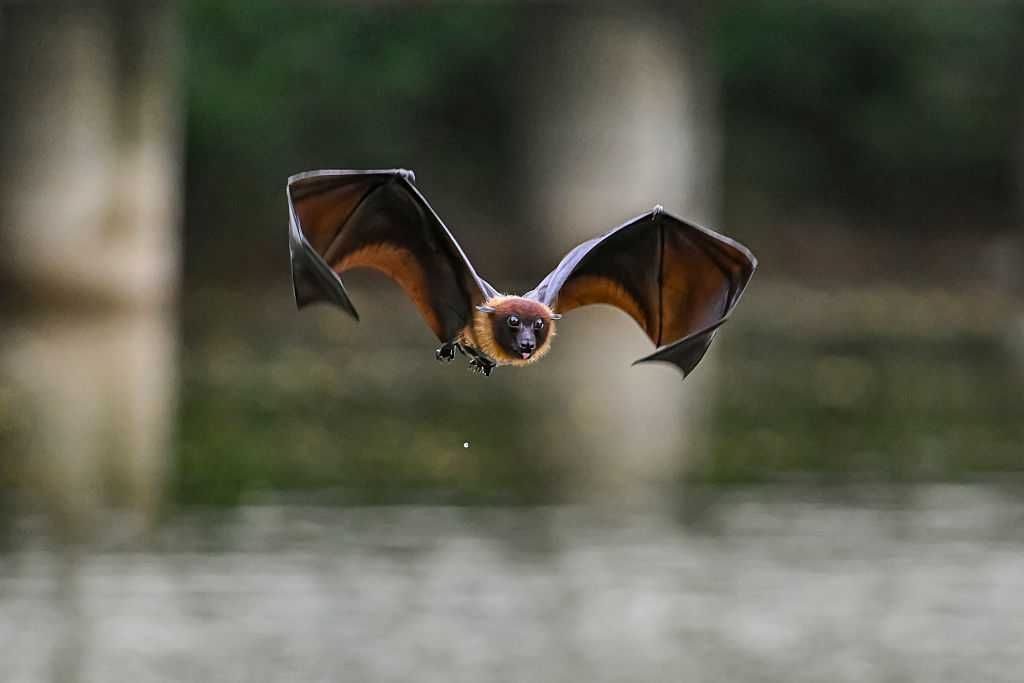 Photo by Zabed Hasnain Chowdhury/NurPhoto via Getty Images
Recognizing the impracticality of individually jabbing multitudes of bats and ruling out bat-culling as “counterproductive,” the Chinese scientists instead created vaccines using a weakened form of the vesicular stomatitis virus that can infect insects and mammals alike.
They fed vaccine-laden blood to lab-adapted Aedes aegypti mosquitoes and subsequently detected the vaccine both in the whole mosquitoes and in their salivary glands for over two weeks. The vaccine-laden mosquitoes reportedly delivered the vaccines as intended and provided test bats and rodents with immune protection.
The study claimed that “this innovative approach offers a scalable and efficient solution for immunizing wild bats, addressing critical challenges in disease control and bat conservation.”
Through this experiment, researchers hope that there will be reduced spillover of the Nipah and rabies viruses from bats to humans or livestock.
Aihua Zheng, a Chinese virologist who worked on the study, told NPR, “The advantage is if we immunize the population, the transmission of the virus will be decreased or eventually eliminated.”
However, that outcome is by no means certain. Plus, there are other problems associated with such vaccine-infused mosquitoes.
Daniel Streicker, a professor of viral ecology at the University of Glasgow who was not involved in the study, expressed concern to Chemical and Engineering News over possible risks of such proposed vaccination initiatives.
“Mosquitoes bite many things other than bats, including humans,” Streicker said, adding, “There’s still an issue that you’re removing individual consent.”
Like Blaze News? Bypass the censors, sign up for our newsletters, and get stories like this direct to your inbox. Sign up here!
Source link