Special Operations Command hopes that AI can help during night raids—when it can quickly process information extracted from target sites, allowing for faster subsequent raids.
US special operators are trying to use artificial intelligence to process data faster and improve the targeting process.
How AI Could Help Special Forces During “Sensitive Site Exploitation”
According to a special notice issued by the US Special Operations Command (SOCOM), US special operators are seeking industry information on facial recognition, speaker identification, and DNA profiling capabilities.
Sensitive site exploitation is the process of gathering and processing intelligence gathered on the target to further the targeting process. Information can be gathered from both human and non-human sources.
For example, with regard to the DNA profiling requirement, SOCOM is looking to allow special operators to determine whether a captured person is in an existing military, CIA, or FBI database.
More often than not, the information gathered on the target is too complicated and voluminous to be processed rapidly. That is why SOCOM is looking to bring artificial intelligence to speed up the process and increase the effectiveness of the force. Whereas before access to intelligence might have been the issue, today, combing through extremely large blocks of intelligence and determining what is valuable and what is not is the main issue.
Correct sensitive site exploitation leads to a more efficient and better targeting process. Although the value of the sensitive site exploitation might not be as useful in a conventional conflict as in a counterterrorism or counterinsurgency setting, it can still bring great value.
Sensitive Site Exploitation in Action
Sensitive site exploitation became important during the Global War on Terrorism (GWOT). It became particularly important during the counterinsurgency and counterterrorism campaign in Iraq.
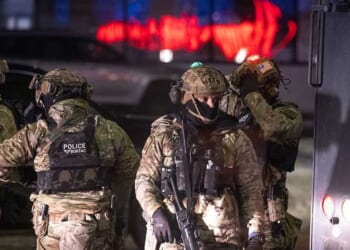
For example, US and coalition special operations forces would target a terrorist compound based on intelligence packages. During the raid, special operators would interrogate captives on the spot or go through documents and electronic equipment. Their findings would often provide enough intelligence to spark a follow-on operation on the same night. Then intelligence gathered from the second raid would support yet another raid at a third target. This would go on every night—almost invariably at night to take advantage of American night vision capabilities—with hundreds of raids in each deployment. Sensitive site exploitation was pivotal in the US industrial counterterrorism and counterinsurgency campaigns that dismantled al-Qaeda and the Shia insurgency in Iraq.
Probably the best known sensitive site exploitation mission took place after SEAL Team Six took down al-Qaeda leader Osama bin Laden in Pakistan in 2011. After the SEALs killed the elusive mastermind of the 9/11 terrorist attacks and secured the compound, they scoured the location for anything that could be of value in preventing further attacks. When the assault force left, they took trash bags filled with hard drives, documents, and electronic equipment from the Abbottabad compound.
SOCOM has been investing in sensitive site exploitation technologies and skills for decades. There are several courses available for special operators and special operations enablers, such as the SOF Site Exploitation Course (SOFSE) and SOF Site Exploitation Operator Advanced Course (SOFSE OAC).
The special operations community’s quest to better involve artificial intelligence in sensitive site exploitation has the potential to greatly improve the lethality of the force.
About the Author: Stavros Atlamazoglou
Stavros Atlamazoglou is a seasoned defense journalist specializing in special operations and a Hellenic Army veteran (national service with the 575th Marine Battalion and Army HQ). He holds a BA from the Johns Hopkins University and an MA from the Johns Hopkins’ School of Advanced International Studies (SAIS). His work has been featured in Business Insider, Sandboxx, and SOFREP.
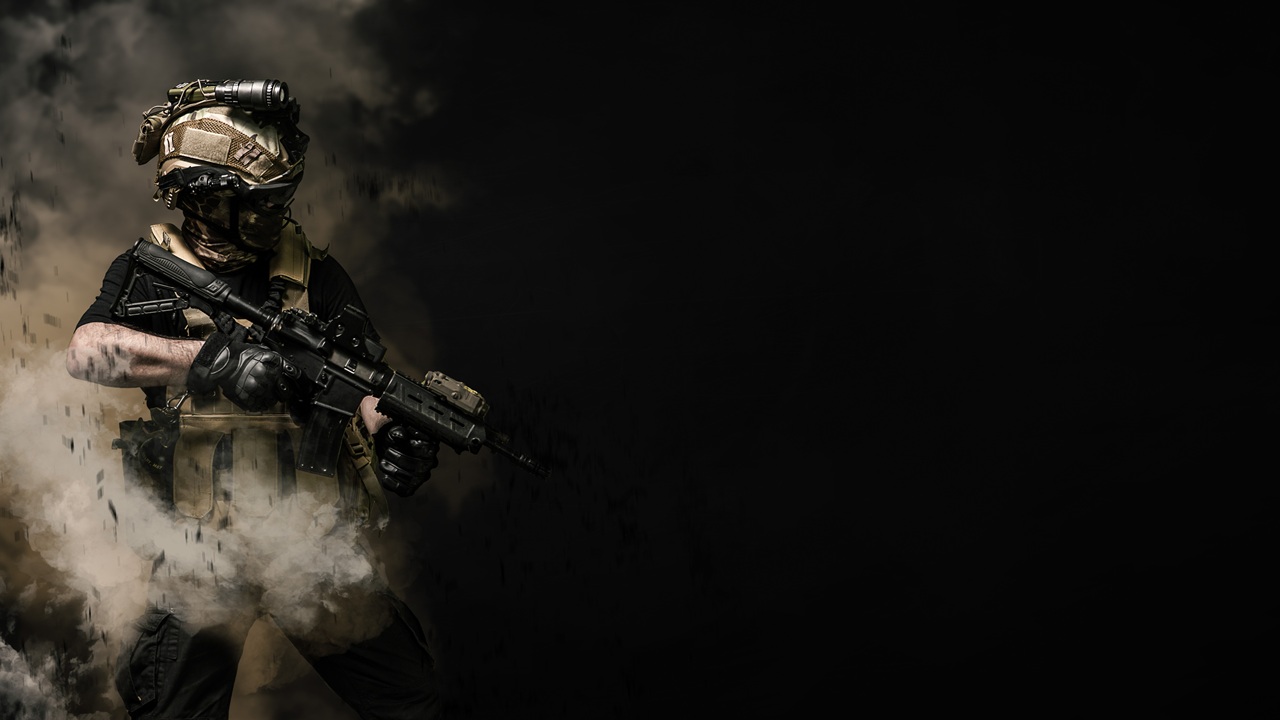
Image: Shutterstock / santoelia.