Western efforts to strangle the Kremlin’s war machine have been systematically undermined by European nations’ desire to continue buying Russian oil and natural gas.
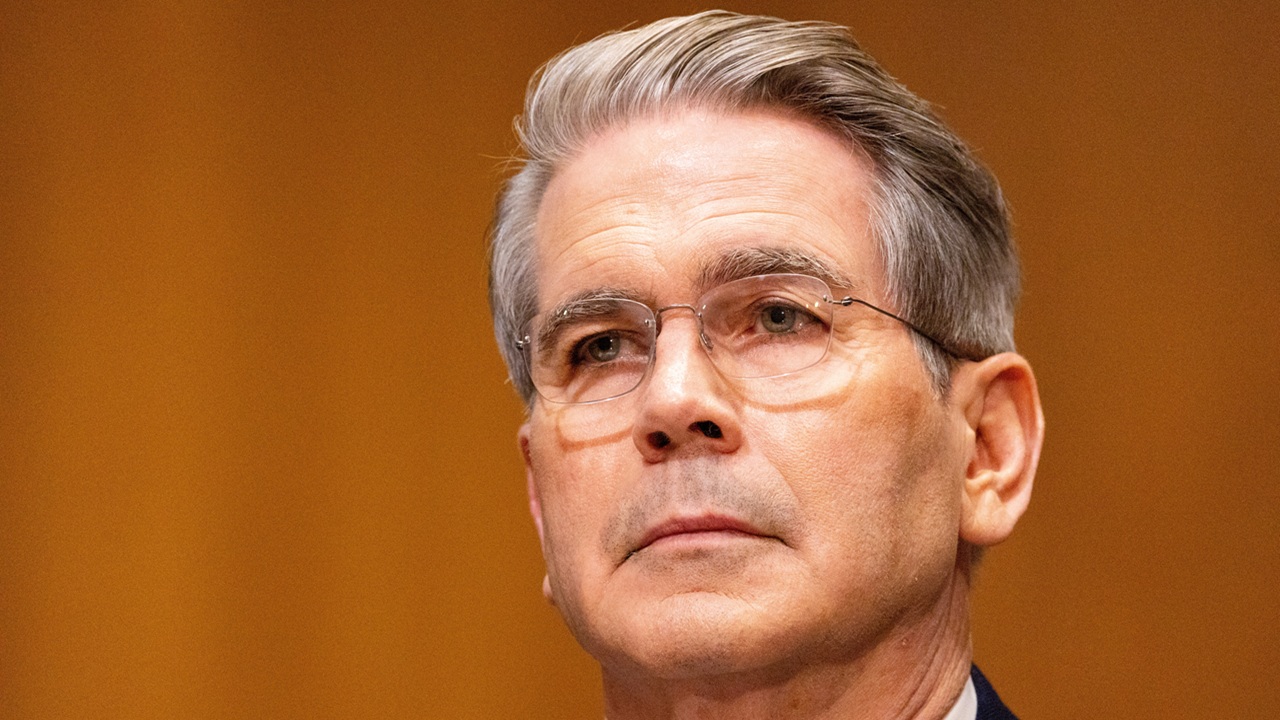
The United States and its allies are finally coming to terms with the tragic reality that their support of Ukraine will not be enough to help the Ukrainians defeat the Russians. In a recent interview, US Treasury Secretary Scott Bessent declared that the repeated sanctions—particularly by the European Union—had failed to achieve their goals.
“If you have to repeat the same action 19 times, then you’ve failed,” said the American treasury secretary matter-of-factly.
Bessent went further in his comments, accusing the EU of “funding the war themselves” by continuing to purchase Russian oil and other Russian resources, thereby undermining the pressure that sanctions are supposed to exert. Despite the array of measures undertaken against Russia, according to Bessent, Moscow’s economy has adapted, and Russia remains economically resilient enough to continue funding its war efforts indefinitely.
Of course, this has been obvious to many observers for years. Since 2014, when the Russians first invaded Crimea and annexed it, Moscow has striven to make itself as self-reliant as possible. Using its immense natural resources as leverage, Moscow has succeeded—contrary to the best hopes of the think tanks in Washington and the corporate press in New York.
The West’s Schizophrenic Russia Strategy
The entire Western strategy, notably the European strategy against Russia has been utterly schizophrenic. On the one hand, the Europeans want to stymie the Russian ability to wage war by strangling their economy. On the other hand, the Europeans will happily continue to purchase Russian energy sources—effectively fueling the Russian war economy.
If the objective is to make Russia change its behavior or to comport more with the wishes of the Europeans in leaving Ukraine at peace, then constantly empowering Russia’s economy by purchasing their energy sources is an idiotic strategy. It’s the equivalent of pouring fuel on a fire with one hand and water with the other.
The EU has issued at least 19 rounds of sanctions since the Ukraine War began. Yet according to Bessent, Russia’s war economy appears both functional and robust. Indeed, it is powerful enough to sustain its military operations to such a degree that the Russian military is clearly winning on the tactical side of the Ukraine War. Eventually, the Kremlin’s tactical gains will translate to a strategic victory. And it’s far too late in the game to reverse these self-defeating and unserious EU policies.
Bessent is right to express frustration, because the Ukraine War risks escalating into a major war with Russia that the American people do not seek. Europe’s continued insistence on screaming about Russian actions in Ukraine while simultaneously empowering the Russian war effort is an unfair action by Europe that only serves to bring a larger war the American people don’t want closer.
Meanwhile, European economies are facing collateral damage. There is, as a result of the war, energy price inflation, economic strain, and internal political tensions as a result. The European Union is, first-and-foremost, an economic entity.
Yet, the actions of NATO against Russia in Ukraine have weakened the European economic project. Its strongest economy, Germany, has been eviscerated—not only by the rebound effect of the sanctions, but by the loss of Germany’s Nord Stream II pipeline, which once connected Russian natural gas with Europe via Germany and fueled Berlin’s industrial might.
The US-Russia Economic War Is Already Over
Sanctions cannot win wars. Nor can they have a lasting impact on the behavior of belligerents—especially if the goal is to force those belligerents to take a more peaceful stance.
Think back to World War II. The Americans had imposed onerous sanctions on the Empire of Japan. Rather than have the intended effect—forcing Tokyo to abandon its wars of aggression in the Far East—Tokyo initiated the Pearl Harbor attacks out of fear that it was going to lose access to key resources as a result of those sanctions.
What’s more, it is unlikely that the Americans will attempt any further round of sanctions, given how abysmally the previous 19 rounds have played out for the West. Russia today is stronger and more resilient—in short, better prepared for a great power war—than it has ever been. And that is entirely a product of the shambolic European sanctions.
With much talk about a potential ceasefire between the West and Russia over Ukraine in the offing, and clear indications that President Donald Trump has had his fill of the Ukraine War, it appears that Bessent’s comments are not happening in a vacuum. Indeed, these comments indicate that the Americans are readying to abandon the Ukrainian cause.
About the Author: Brandon J. Weichert
Brandon J. Weichert is a senior national security editor at The National Interest. Recently, Weichert became the host of The National Security Hour on America Outloud News and iHeartRadio, where he discusses national security policy every Wednesday at 8pm Eastern. Weichert hosts a companion book talk series on Rumble entitled “National Security Talk.” He is also a contributor at Popular Mechanics and has consulted regularly with various government institutions and private organizations on geopolitical issues. Weichert’s writings have appeared in multiple publications, including The Washington Times, National Review, The American Spectator, MSN, and the Asia Times. His books include Winning Space: How America Remains a Superpower, Biohacked: China’s Race to Control Life, and The Shadow War: Iran’s Quest for Supremacy. His newest book, A Disaster of Our Own Making: How the West Lost Ukraine is available for purchase wherever books are sold. He can be followed via Twitter @WeTheBrandon.
Image: Shutterstock / Maxim Elramsisy.