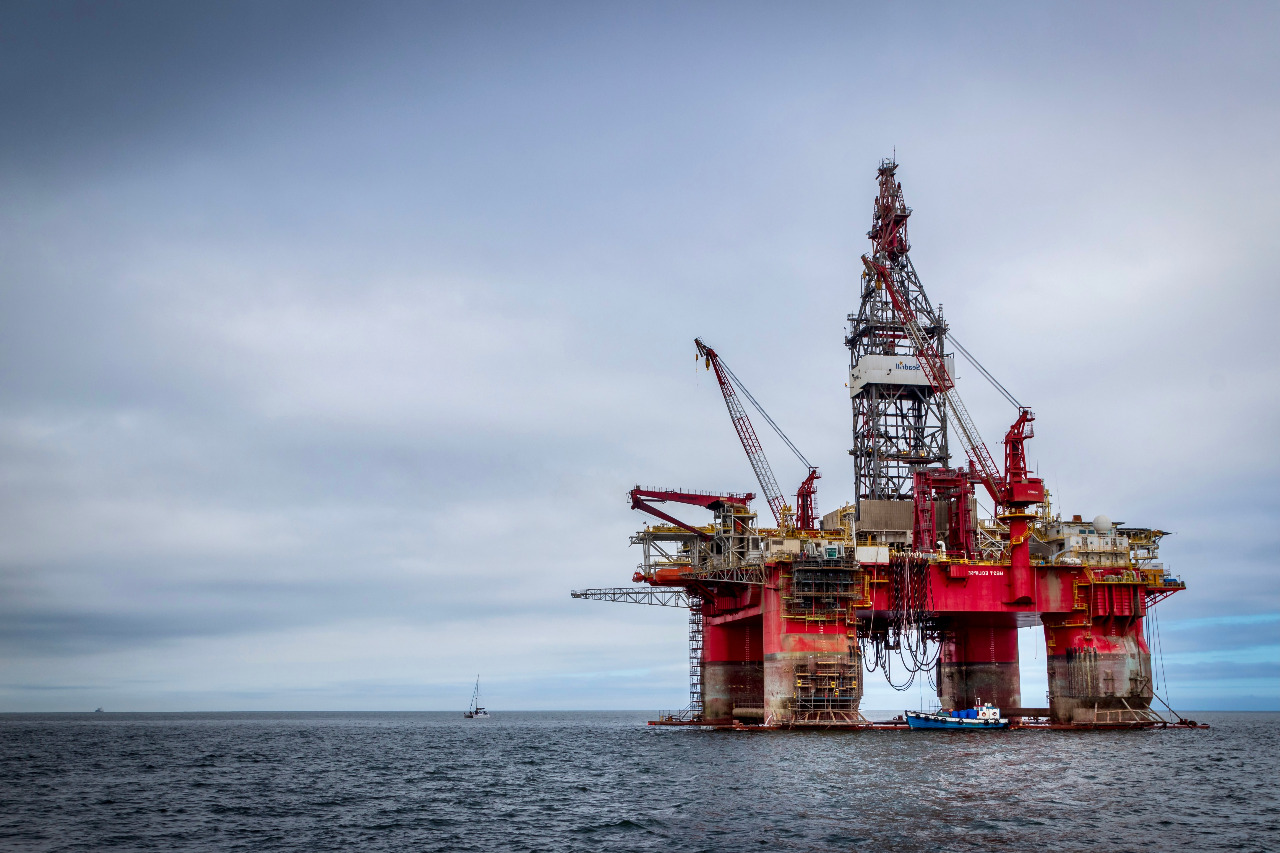
One part of the president’s plans for American energy dominance includes drilling for oil and natural gas on the ocean floor.
President Donald Trump is planning a new wave of oil and gas production in the nation’s offshore waters, which could help reduce prices on energy, consumer goods, and services. It’s a welcome reversal from the Biden administration, which scheduled the fewest offshore lease sales ever.
The Department of the Interior’s Bureau of Ocean Energy Management (BOEM) has proposed holding 34 lease sales from 2026 to 2031 in the waters off the coasts of California and Alaska and in the Gulf of Mexico. The leases would allow access to roughly 85 percent of the technically recoverable offshore oil and gas resources off the coast of the United States.
This plan complies with federal law, which requires that the schedule of proposed lease sales “best meet national energy needs.” With electricity demand surging and energy affordability a growing concern, it is a necessary correction from the previous administration’s unprecedentedly restrictive policy, which planned only three offshore oil and gas lease sales in the Gulf of Mexico over five years.
Congress intended America’s offshore waters to serve as a “vital national resource reserve held by the Federal Government for the public, which should be made available for expeditious and orderly development, subject to environmental safeguards.” These resources were never meant to be locked away but instead to be developed responsibly to ensure that an abundance of energy could supply our homes and businesses.
The plan would increase the economic benefits from offshore energy. Offshore oil and gas contributed about $30 billion to the economy and supported about 250,000 jobs in 2024, with Uncle Sam collecting $7 billion.
Offshore drilling produced 668 million barrels of oil last year, about 14 percent of national output. Additional output from new leases could ease prices for gasoline, diesel, and jet fuel — costs that show up in everything from grocery bills to airline tickets.
California, which hasn’t had an offshore oil and gas lease sale since 1984, would benefit most from an additional fuel supply to alleviate the highest gasoline prices in the nation. Producing oil at home is generally cheaper than importing it, yet the Golden State now pumps about 300,000 barrels a day, down from roughly one million a day in the 1980s. It has now come to rely on imports for 60 percent of its crude oil.
Offshore wells also produced 700 billion cubic feet of natural gas last year, accounting for two percent of the nation’s supply. Because natural gas generates roughly 40 percent of America’s electricity, increasing offshore production would help meet the surging power demand from data center buildouts, manufacturing, and electrification trends. Electricity demand from data centers has tripled over the past decade and could grow another two to three times by 2028.
The proposed plan is open to public comment until January 23, 2026. BOEM will then revise the plan twice more, each time offering additional opportunities for the public to weigh in.
Interior Secretary Doug Burgum stated, “Offshore oil and gas production does not happen overnight. It takes years of planning, investment, and hard work before barrels reach the market.”
This long timeline — from the BOEM creating this plan and then holding the lease sales to companies exploring for oil and gas and building the infrastructure needed to produce them — makes it all the more important for Americans to speak up now to secure affordable and abundant energy for the years ahead and for future generations.
About the Authors: Austin Gae and Krishna Mehta
Austin Gae is a research associate at the Center for Energy, Climate and Environment at The Heritage Foundation. Krishna Mehta was a member of Heritage’s Young Leaders Program.
Image: Shutterstock/zanaputritidur