Psalm 80 stands out prominently among the Psalms of the Old Testament that express a longing for God’s mercy and hopeful expectation of His mighty work of salvation. This hymn of ancient Israel (one of the few not written by King David) highlights themes of desolation, waiting, and hopeful expectation. By those same themes, it provides rich fodder for our own meditation as we move through this season of Advent.
The primary theme—the single word we can take with us after praying with the psalm—is restoration. This theme is found especially in the psalm’s refrain, which appears first in the third verse: “Restore us, O God; let your face shine, that we may be saved!” Slight variations of the same exclamation appear two more times throughout, specifically in verses seven and nineteen. This refrain reminds us of the truth that it is God’s turning toward us, His revelation of His shining face, by which we are restored and saved.
Subsumed under that primary theme are other important, recurring truths of biblical revelation. The psalm immediately calls out to God for salvation: “Give ear, O Shepherd of Israel…stir up your might and come to save us!” (vv. 1-2). This is an acknowledgement, from the outset, that it is the Great Shepherd of Israel, and Him alone, who has the power to save and restore His chosen people.
After that initial cry, the psalmist explains more about Israel’s plight and their need for restoration. After recounting miraculous blessings provided by the Lord, such as the exodus from Egypt and the establishment of Israel in the Promised Land, the author quickly announces what has taken place in recent memory. Specifically, the nation’s walls have been “broken down” and its fruit has been plundered by “all who pass along the way” (vv. 8-13).
The reason for Israel being overrun and plundered by other nations is provided, too. The author implies—an implication we know explicitly from the narrative of salvation history—that the chosen people had a history of worshiping the false gods of the surrounding nations (e.g., see v. 18). At least as bad, and despite capitulating to the pagan cultures, the author notes that Israel has become “the scorn of our neighbors; and our enemies laugh among themselves” (v. 6, RSV). They have been ravaged; they have become desolate.
The psalm notes that this desolation is the result of the nation straying from the Lord. Early in the psalm, the author asks, “O Lord God of hosts, how long will you be angry with your people’s prayers?” Then he adds, “You have fed [your people] with the bread of tears and given them tears to drink in full measure” (v. 5). Their turning away from the Lord has brought them to a desperate, unbearable plight.
Israel knows something is not right. They mourn their distance from God and the brokenness they experience. It is this mourning, this recognition, that elicits the central petition of the psalm:
“Turn again, O God of hosts! Look down from heaven and see; have regard for this vine, the stock that your right hand planted, and for the son whom you made strong for yourself. … But let your hand be on…the son of man whom you have made strong for yourself!” (vv. 14-15, 17)
They ask to be restored as the culmination of their prayer and worship. Further, they request the guidance and strength they cannot provide for themselves.
As Advent proceeds, these themes can be prominent—indeed, they should be prominent—in our own daily pilgrimage through the season. At the outset, and in an ongoing way, we must recognize we have no ability to restore our righteousness or provide for ourselves. It is solely God’s grace, His free gift, that will provide what we seek in this, or any, season. Only after He moves in us and for us can we respond fruitfully. So, we call out.
Israel’s history might match the way we feel about many situations in our lives. We might be able to recall great blessings, high points in our walk with the Lord. Still, blessings notwithstanding, we might currently feel overwhelmed, desolate, ravaged, or abused. Maybe it is from a familial relationship or a difficult scenario at work. Maybe we feel that any fruit we had to give was stolen long ago. In any case, like Israel, we should keep calling out to the Lord for restoration, trusting that He will provide in His great mercy. We ask the Lord to turn again…and again, if we have to.
We might also admit that we have strayed from God’s plan, which has left us feeling broken, desperate, or unworthy. Perhaps we know we have turned away from the Lord and chased the strange gods the world offers. Perhaps we feel that the current path our lives is just not as fulfilling as we thought it would be. This season, guided by this psalm, may be an opportunity for us to ponder the Lord’s true intent for our lives, and just how far we have strayed from that intent. We seek to take steps of restoration.
Maybe this feeling of brokenness and desolation has developed even while remaining in an intimate relationship with the Lord. Maybe we are drinking from the dregs of sorrow due to a death in the family or an untimely loss of a job. Whatever the reason, many of us feel desperate and despondent, like God does not hear our prayers or our weeping. This is exacerbated by the fact that this season is supposed to be filled with joy and hope. The lone shred of consolation is that God knows our sorrow—He has experienced it.
The appropriate and necessary response, then, is to call out for restoration, in the same manner as the psalmist. During this Advent, let’s seek restoration with God, within ourselves, and with others, and let’s remember a few important truths throughout our quest. First, God’s grace always leads and guides the restoration process. After that, it must be followed quickly by practical efforts like acknowledging our own mistakes and setting up solid boundaries that will prevent us from more desolation. These are graces God will use to strengthen us and help us remain steadfast in the face of current and future tribulations—stronger than we could have been previously.
May God turn His face toward you again and restore you during this season!
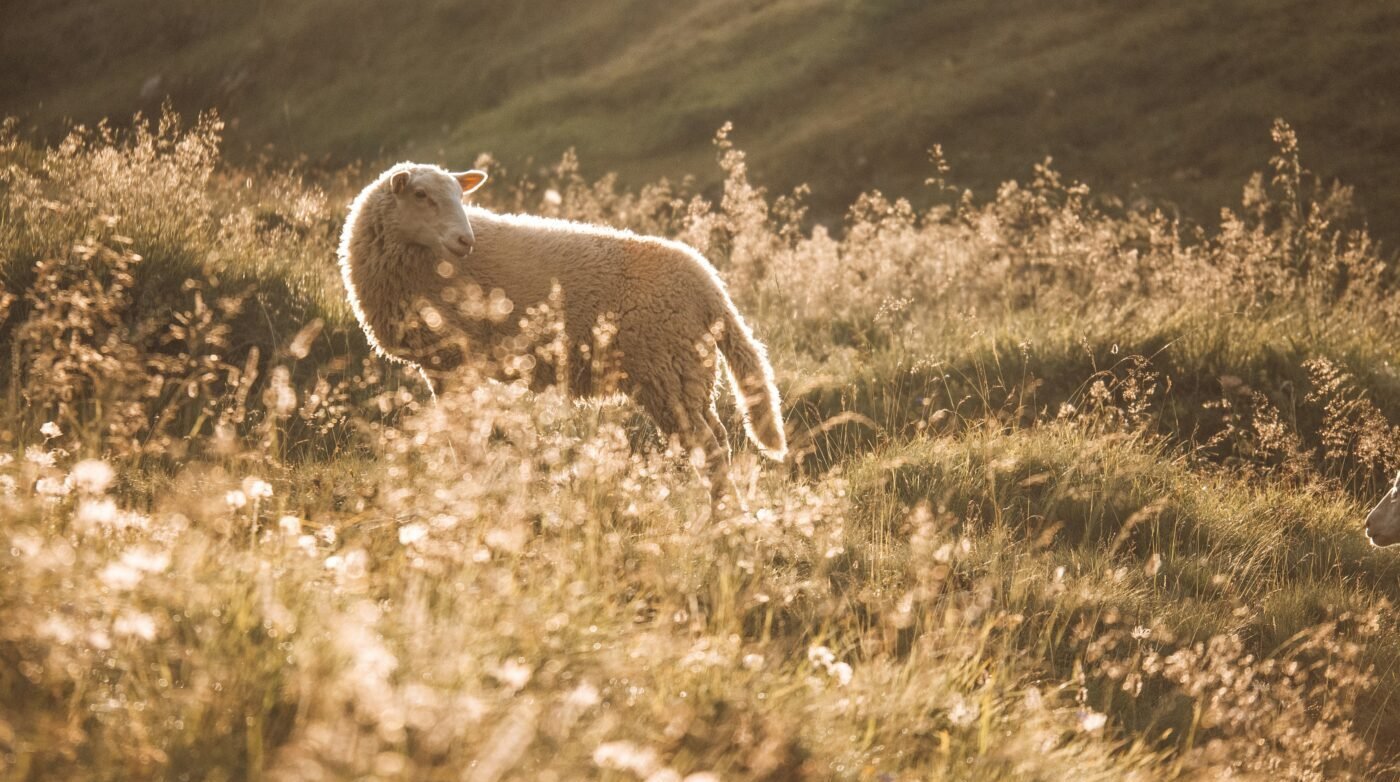
Photo by Lucas BAUD-GRASSET on Unsplash