Drop everything and read. Sounds daunting, doesn’t it? Drop everything and read? Is it possible?
Yes. Well, at least in 3rd grade.
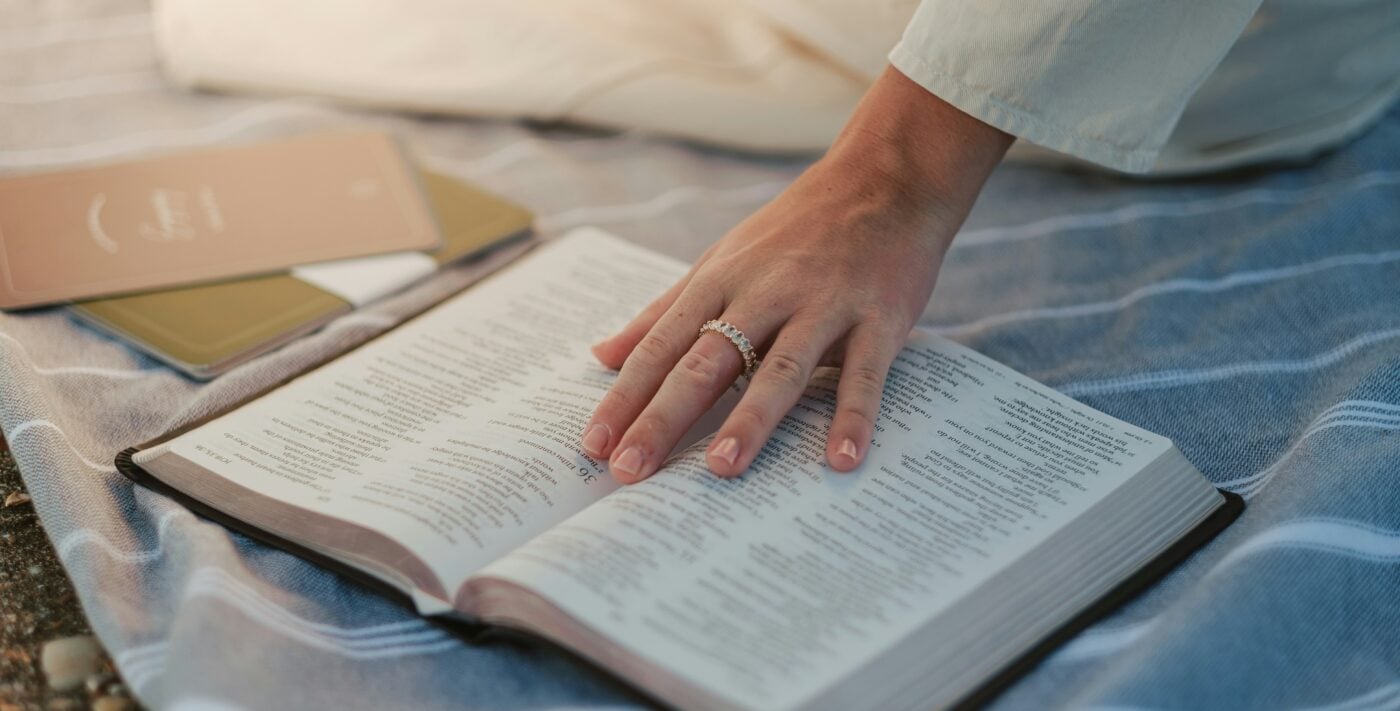
“DEAR” time has easily become my favorite part of our day. It is the only part of the day where it is completely quiet. After recess, my students come back into the classroom expecting this time to quiet their hearts and minds, find a spot in the classroom, use the restroom, fill their water bottles, and read a book. Fifteen to twenty minutes is all it takes. Do they read the whole time? Mostly. Even if they aren’t, they are still in a quiet, calm space, looking at words in a book. Much better than, say, the gleaming light from an iPad.
That small taste of quiet opened up a deeper question for me, one that had been brewing especially as I read John Mark Comer’s The Ruthless Elimination of Hurry:
What is all this rushing doing to my soul?
Comer argues that hurry is not just a scheduling problem or a personality quirk; it is fundamentally a spiritual sickness. It’s the water we swim in without noticing, a cultural current pushing us along so swiftly that we lose awareness of who we are becoming. He writes that hurry is incompatible with the spiritual life because the spiritual life can only be lived at the speed of love, and love is never rushed.
The more I sat with that, the more I realized how deeply hurry had woven itself into my days. Not just when I was late or behind schedule, but in quieter, more subtle ways: the way I jumped mentally from task to task, the way I felt compelled to be productive even while praying, the way rest sometimes felt like something to “fit in, if possible.”
Hurry wasn’t just around me. It was in me.
Comer names this honestly. He says that hurry forms us. It shapes our attention, our desires, our capacity to be present. And presence, he reminds us, is the foundation of relationship with God, with others, with ourselves. When we’re hurried, we’re not truly seeing. Not truly listening. Not truly receiving.
That truth hit me closer to the heart than I expected.
I began noticing how quickly I moved through conversations, how easily I let my mind race ahead while someone else was talking. I noticed how often I approached prayer like I was squeezing it into a packed schedule, wanting God to speak but leaving Him little room to do so.
Comer describes this as the restlessness beneath the restlessness, the internal velocity that stays with us even when we stop moving. And that’s what I recognized in myself. Even when physically still, my soul was rushing.
Slowing down, then, isn’t just about adjusting a calendar. It’s about retraining the heart.
When I think about spiritual practices, prayer, Scripture, silence, Sabbath, they are all, in their own ways, invitations into unhurried presence. They force us to confront our own pace and ask whether it matches the pace of Christ…and Christ usually moves slower than we do.
Jesus is rarely in a rush in the Gospels. He moves with holy attentiveness. He pauses. He notices. He lingers. He has time for interruptions, for questions, for people who approach Him with needs that don’t fit neatly into a schedule. His slowness isn’t inefficiency; it is love embodied.
Comer challenges us to let that slowness confront the way we live. To ask ourselves:
What am I missing because I am moving too fast?
What is God saying that I’m too hurried to hear?
What kind of person am I becoming through my pace?
These questions began to take root in me. I realized that prayer requires the same posture as reading: a slowing of the mind, an openness to receive rather than produce. You cannot skim your way through prayer. You cannot multitask your way into communion. You cannot hurry your way into peace.
For me, Eucharistic Adoration is where this truth finally sank in. Sitting before Jesus in the quiet taught me something that nothing else had: God is found in the stillness, not the speed. When I drop everything, my distractions, my thoughts, my self-imposed urgency, I finally create space to encounter Him.
And in that space, something in me softens. The restless, hurried parts settle. My heart becomes more spacious, more attentive, more able to listen.
That, I think, is what Comer is inviting all of us into: a way of being that makes room for God again. A life where our interior pace begins to match His. A life where our souls have time to breathe.
So, while DEAR time in my classroom is just a momentary pause in the day, it has become, for me, a gentle reminder of something much larger: the spiritual importance of stopping. Of letting myself be unhurried. Of remembering that love and hurry cannot coexist.
If my students can drop everything and read for a few minutes each day, surely I can learn to drop everything and be with God.