Granting small refinery exemptions would ease fuel costs and protect US refining capacity, preventing further price increases during the Iran War.
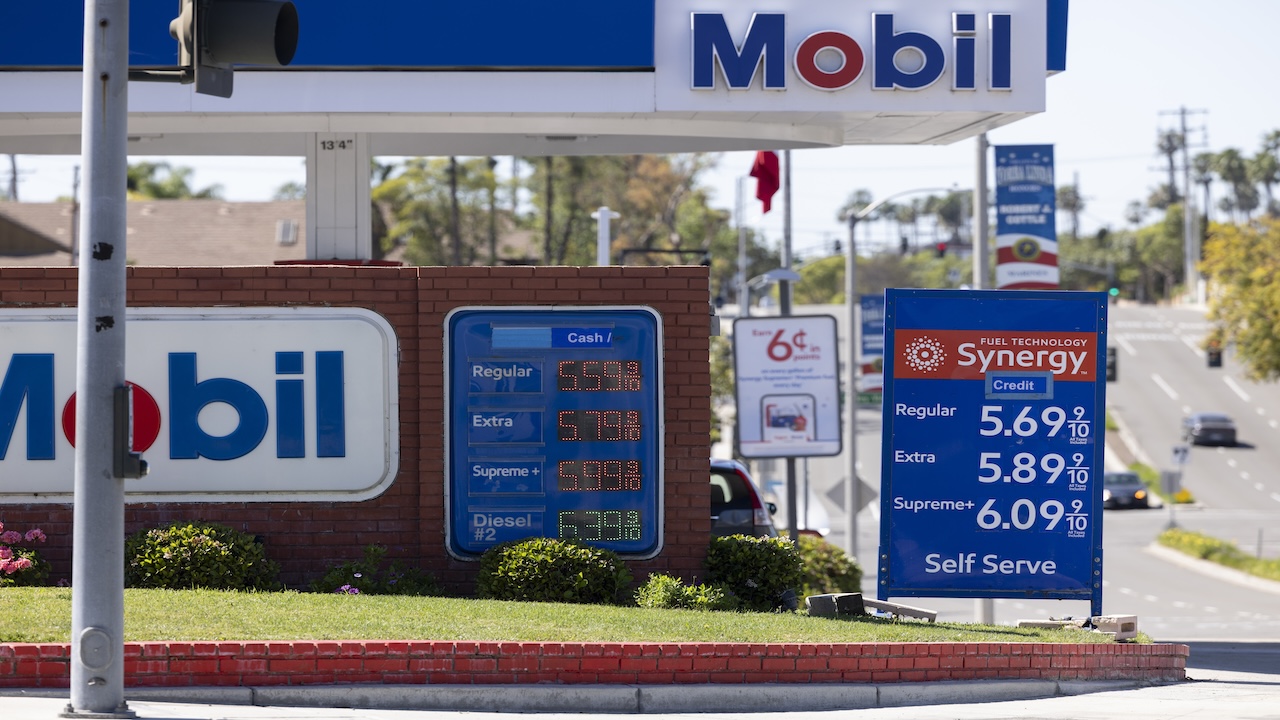
The unprecedented supply disruption tied to the Strait of Hormuz has delivered the most severe energy shock in decades. The national average for a gallon of gas has surpassed $4 per gallon, the first time that’s happened in over four years. Drivers in some parts of the country are paying closer to $5 per gallon, and California is inching closer to $6.
With seemingly no end to the Iran War in sight, the Trump administration has several actions to soften the economic blow, including waiving the Jones Act and releasing 172 million barrels of oil from the Strategic Petroleum Reserve. One sensible solution to help consumers is to grant exemptions for the small refineries that are critical to US energy security and affordability.
How the Renewable Fuel Standard Works
Signed into law in 2005, the Renewable Fuel Standard (RFS) mandates that fuel suppliers blend renewable fuels into America’s gasoline supply. The most common fuel is corn-based ethanol, but other feedstocks can include soybeans, sugarcane, crop residues, and used cooking oil. Each year, the Environmental Protection Agency (EPA) sets yearly targets for the biofuels market.
Each refiner has a renewable volume obligation that requires a set percentage of the fuel they sell into the US market to include renewable fuels. That requirement can be met either by physically blending biofuels or by purchasing compliance credits.
The Problems with the Renewable Fuel Standard
There have been several longstanding problems with the RFS, namely that it is an economic burden forced upon businesses and consumers through Soviet-style quotas. While ethanol is an important oxygenate to make gasoline burn cleaner, its use should be determined by market needs rather than government mandates.
Any other stated environmental benefits, however, are dubious at best. The RFS has led to land use changes and crop switching, increasing food prices for households. The land conversion and increased agricultural inputs are producing fuels that are no better, and sometimes worse, than gasoline from a climate perspective.
Why Small Refineries Are Disproportionately Affected by the Renewable Fuel Standard
For refiners, the cost of RFS compliance can be significant. For small and mid-sized refiners, compliance can be one of the most significant expenses. According to an August 2025 analysis by Turner, Mason, & Company, the mandate could cost refiners nearly $70 billion annually, nearly double what it cost refiners in 2023. Whether small or large, refiners must absorb the economic hit or pass costs onto consumers.
Recognizing that one-size-fits-all mandates may be economically harmful, Congress created small refinery exemptions to prevent “disproportionate economic hardship.” Stripping away that relief now risks forcing refinery closures and making the pain at the pump even worse. There are roughly 50 small refineries in the United States, with 37 or so consistentlyengaged in the RFS exemption process.
Many of these small refineries are in rural communities and are the economic anchors of their towns. They help support entire local economies, funding schools, public safety, and infrastructure through their tax base. In many cases, they are the largest employer in town.
Together, they provide roughly 1.8 million barrels per day of US refining capacity. Supplying roughly 10 percent of America’s refining capacity, small refineries provide a meaningful share of the fuels Americans rely on every single day. Critically, these refiners often provide the specialized fuels necessary for our military, farmers, and manufacturers.
Higher Prices Are at Stake for Consumers and the Economy
Denying small refiner exemptions would tighten fuel supply and drive prices even higher at a time when Americans are already feeling the squeeze. Gasoline prices have surged by nearly a dollar per gallon from a year ago. But the economic pain extends beyond the price at the pump. Higher fuel prices mean higher prices for groceries, travel, and all the goods that move by trucking, freight rail, shipping, and airlines.
The United States cannot afford to lose refining capacity, especially in the middle of a seismic energy shock. Energy policy works best when it fosters competition and delivers for consumers. Biofuels work because they deliver value to consumers. If it’s cheaper and compatible with vehicles, consumers will choose it. Refiners and blenders will supply it. In fact, the small refinery exemptions during the first Trump administration did not destroy ethanol demand precisely because ethanol was economically competitive.
However, punishing small refineries would layer a bad decision on top of an antiquated, two-decade-old mandate that never should have existed in the first place. With gas prices where they are, denying small refinery exemptions would be remarkably bad timing.
About the Author: Nick Loris
Nick Loris is the executive vice president of Policy at C3 Solutions. He also serves as a senior advisor on energy and environment at Madrus, LLC, and serves on policy advisory boards at ConservAmerica and the American Conservation Coalition. Prior to joining C3 Solutions, Loris served as the deputy director of the Thomas A. Roe Institute for Economic Policy Studies and Herbert and Joyce Morgan Fellow in Energy and Environmental Policy at The Heritage Foundation. Loris has testified before Congress on energy, climate, and environmental issues and has been published and quoted in major newspapers. He holds a master’s degree in economics from George Mason University and a bachelor’s degree in economics, finance, and political science from Albright College.