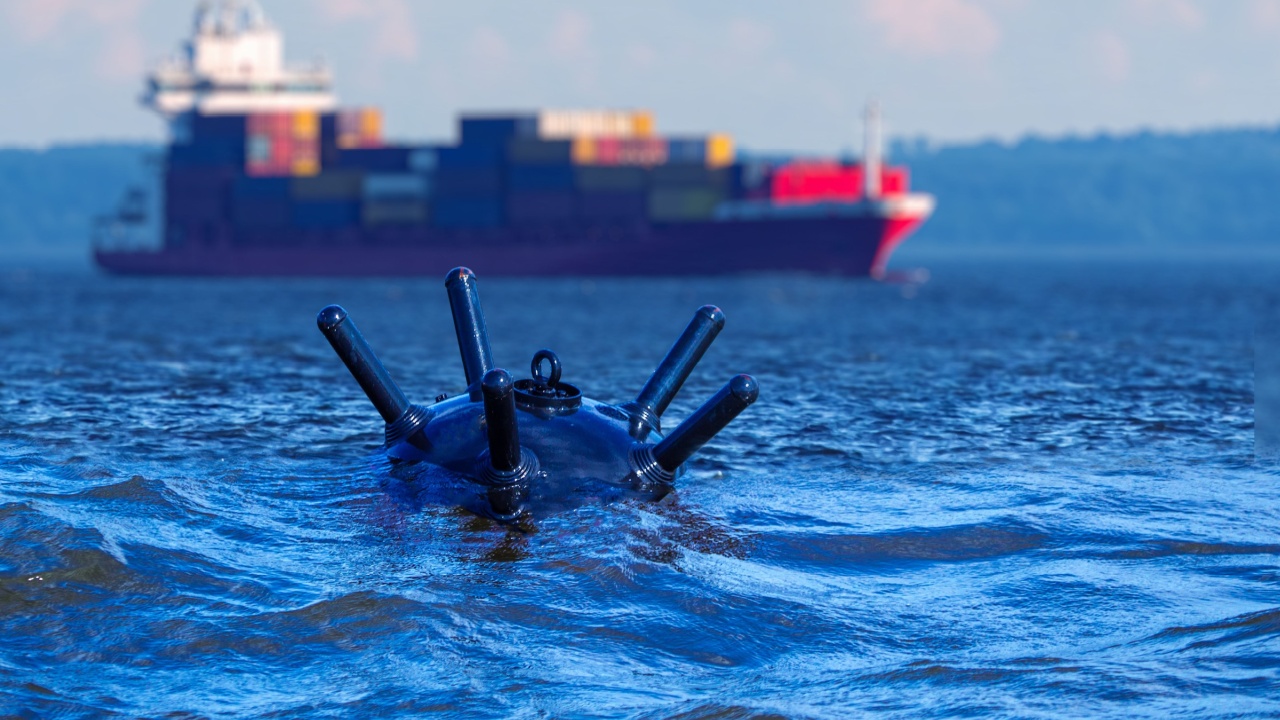
Mining the Strait of Hormuz could take Iran mere hours. Clearing it could take months.
As Iranian drones and missiles pound the Gulf states and Israel, including major energy targets, the Iran War is undoubtedly a regional one. Logically, the financial markets, including commodities like oil and gas, have taken a hit but could go into uncharted territory. Indeed, the Strait of Hormuz, through which nearly one-fifth of the world’s oil supply flows, has emerged as a potential chokepoint that could paralyze international commerce for weeks or months, regardless of US military superiority elsewhere.
Iran has already blocked the strait, causing a dramatic rise in insurance rates that have largely deterred ships from crossing. Since the outbreak of the conflict, Iranian missile and boat attacks on at least 20 vessels, including the oil tankers Skylight, MKD Vyom, and Hercules Star, off the coast of Oman, signal Tehran’s intent to disrupt the oil trade.
In fact, the Islamic Revolutionary Guard Corps (IRGC) could transform the narrow waterway into a veritable minefield. With an estimated 5,000 to 6,000 naval mines at its disposal and facilities positioned along both approaches to the strait, the IRGC possesses the capability to seal off this vital artery within hours.
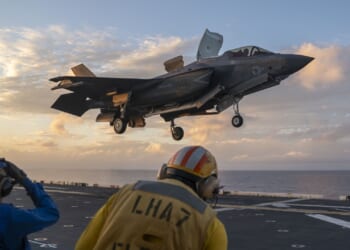
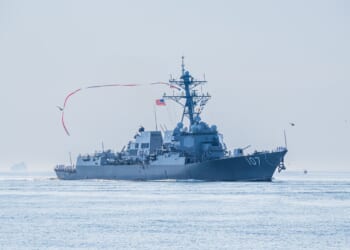
What makes this threat particularly insidious is not Iran’s ability to deploy the mines, but America’s limited capacity to remove them. With four decommissioned vessels, the US Navy’s minesweeping fleet can rely only on littoral combat ships and helicopters, clearly insufficient for the scale of threat it would face. Clearing thousands of mines from contested waters could require prolonged, painstaking, and dangerous work. Throughout that time, global oil markets would continue to convulse, insurance premiums would soar to even more prohibitive levels, and tanker traffic would grind to a halt, leaving the global economy in a lurch.
President Donald Trump said the US Navy could begin escorting oil and gas tankers transiting the Gulf “if necessary” and “as soon as possible.” Yet, this convoy plan is far from a realistic solution for an already overstretched fleet that would have to operate in a narrow strait. Moreover, it cannot mitigate the threat from mines to shipping.
Even though six Western countries announced last week that they would help reopen the strait, the commitment is vague and likely to falter. Therefore, this leaves only the targeting of the Iranian forces stationed near the strait as the viable solution. This finally began last Friday when US warplanes and attack helicopters targeted Iranian drones and ships in order to counter Iran’s aggressive stance. While The New York Times reported on March 12 that Iran had started to mine the strait, it was likely done on a very small scale with the intention of sending a warning. In any case, Tehran may wish to keep the option of heavier mining open for further escalation.
Iran doesn’t need to win a naval battle. By dumping cheap mines in the strait, Tehran can freeze billion-dollar warships and global oil alike. It is Hormuz that will determine if American strategy actually has what it takes to bring down the regime once and for all.
About the Authors: Hollie McKay and Olivier Guitta
Hollie McKay is the research director of GlobalStrat, a geopolitical risk consulting firm. She is also a war correspondent and foreign policy analyst who has spent two decades reporting from conflict zones. She is the author of Only Cry for the Living: Memos from Inside the ISIS Battlefield and Afghanistan: The End of the US Footprint and the Rise of the Taliban Rule.
Olivier Guitta is the managing director of GlobalStrat. He was previously the director of research at the Henry Jackson Society, a foreign affairs think tank in London. Olivier has been ranked as one of the top 250 terrorism experts in the world and has briefed senior bodies across the United Kingdom, the European Union, the United States, and the Middle East. Follow him on X: @OlivierGuitta.