China’s Taiwan Affairs Office on Wednesday made a public offer of energy stability for Taiwan if it would agree to “reunification,” or peacefully submitting to rule by the Chinese Communist Party.
“We are willing to provide Taiwan compatriots with stable and reliable energy and resource security, so that they may live better lives,” said Taiwan Affairs Office spokesman Chen Binhua.
Chen argued that “peaceful reunification” would give Taiwan the benefit of a “strong motherland” to secure its energy supplies.
“The removal of barriers between the two sides of the strait will ensure the smooth flow of resources,” he purred. “The mainland’s abundant power supply is more than sufficient to meet the electricity needs of Taiwan’s companies and can ensure that households across the island are freed from the inconvenience and worries of power shortages and outages during peak seasons.”
The occasion of China’s latest effort to sell “reunification” to the Taiwanese was, of course, the war in Iran. Asian countries have traditionally obtained a great deal of their oil and natural gas through the Strait of Hormuz, which Iran is attempting to blockade by attacking civilian ships.
China is arguably the country suffering the most from the Strait of Hormuz crisis, although there have been persistent rumors that Iran is finding ways to ship oil to its biggest customers in Beijing, using “dark fleet” tankers that have deactivated their transponders.
China is so concerned about shortages that it banned fuel exports of gas, diesel, and jet fuel until at least the end of March, which seems like an inconvenient detail for Beijing’s promise of fuel security for Taiwan in exchange for undying fealty.
Chen contended that, even before the Iran war, Taiwan sometimes struggled to get the fuel it needed shipped to the island, leaving it with chronic shortages and price spikes. His offer to help smooth out Taiwan’s energy system was part of a push for peaceful reunification Beijing has been conducting over the past year, with various officials seeking to convince Taipei that rich economic rewards would flow from accepting Beijing’s rule voluntarily.
The South China Morning Post (SCMP) on Wednesday highlighted an October speech by Wang Huning, chair of the National Committee of the Chinese People’s Political Consultative Conference (CPPCC), that was laced with all manner of sweeteners for Taiwan to accept a reunification deal, including energy security, improved foreign relations, superior economic development, and even a richer “cultural life” for the Taiwanese people.
So far, there has been scarcely a nibble on China’s well-baited hook. Taiwanese officials gave assurances in early March that they had contingency plans for a prolonged conflict in Iran to ensure that “domestic gas supply will absolutely not be interrupted.”
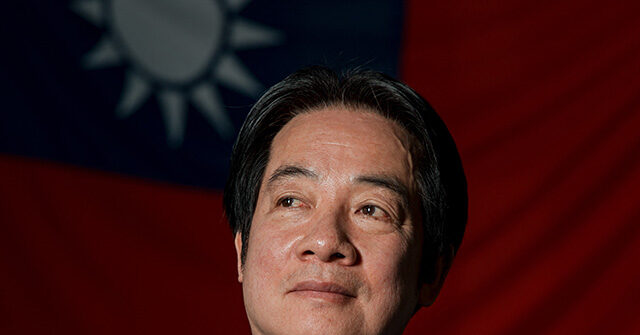
On Wednesday, Taiwanese President William Lai Ching-te gave assurances that energy supplies for the next two months have been secured, thanks to a “diversified and multi-source strategic approach to energy imports” that includes increased gas purchases from the United States.
Taipei said on Monday that retail prices for diesel and gas would be unchanged for at least another week, as the state would absorb any extra costs that might otherwise have been passed along to consumers. The government is also hoping to keep electricity prices stable through the end of next month.