As Iran’s energy problems grow, the Islamic Republic can no longer rely on its geography alone to attract investment from Central Asia.
US and Israeli military strikes on Iran have placed the country’s already strained infrastructure under new pressure, raising the risk of deeper disruptions to energy supply, industry, and civilian life. Energy facilities, transport nodes, and communication networks are among the systems most vulnerable during wartime.
In a country already facing electricity shortages, winter gas deficits, and aging infrastructure, sustained attacks could deepen disruptions that directly affect civilian life. In recent years, rising electricity demand, seasonal gas shortages, and water stress have increasingly exposed the limits of the country’s generation and distribution capacity. Even before the outbreak of war, rolling blackouts and fuel shortages were periodically disrupting industrial production and prompting public frustration in several cities. Rolling blackouts have affected manufacturing centers across multiple provinces, cutting industrial production during colder months.
The intersection of wartime pressure and domestic energy constraints has implications beyond Iran’s borders. For years, Iran’s engagement with Central Asia has been framed primarily as simply a matter of geography. Landlocked states such as Kazakhstan, Uzbekistan, and Turkmenistan require access to international markets, and Iran sits between them and the Persian Gulf. That geographic reality has long underpinned Tehran’s pitch as a southern outlet for trade, energy, and transit.
Planned utility cuts provoked protests in several cities in 2025, especially when they intersected with existing economic grievances. In such contexts, the allocation of scarce gas or electricity becomes politically salient, particularly when industrial users are curtailed while exports or cross-border exchanges continue.
Electricity demand in Iran has grown by 7 percent annually in recent years. Installed generation capacity has also increased during that period, but not at a pace sufficient to maintain previous reserve margins. As a result, the system has become more dependent on seasonal load management, including planned industrial curtailment during winter gas shortages and summer cooling peaks.
Seasonal load management has also become more publicly visible. In both summer electricity shortfalls and winter gas deficits, planned supply reductions affecting industry or residential consumers have at times prompted localized protests. While these episodes do not directly determine export policy, they heighten domestic political sensitivity to supply allocation during peak demand periods.
The outbreak of war between Iran, Israel, and the United States has introduced an additional layer of pressure on these dynamics. Armed conflict places immediate demands on national infrastructure. Electricity grids must sustain military installations, communications systems, and emergency logistics. Fuel supplies are redirected toward defense operations and strategic reserves. Under such conditions, governments tend to prioritize domestic stability and wartime requirements over discretionary external commitments.
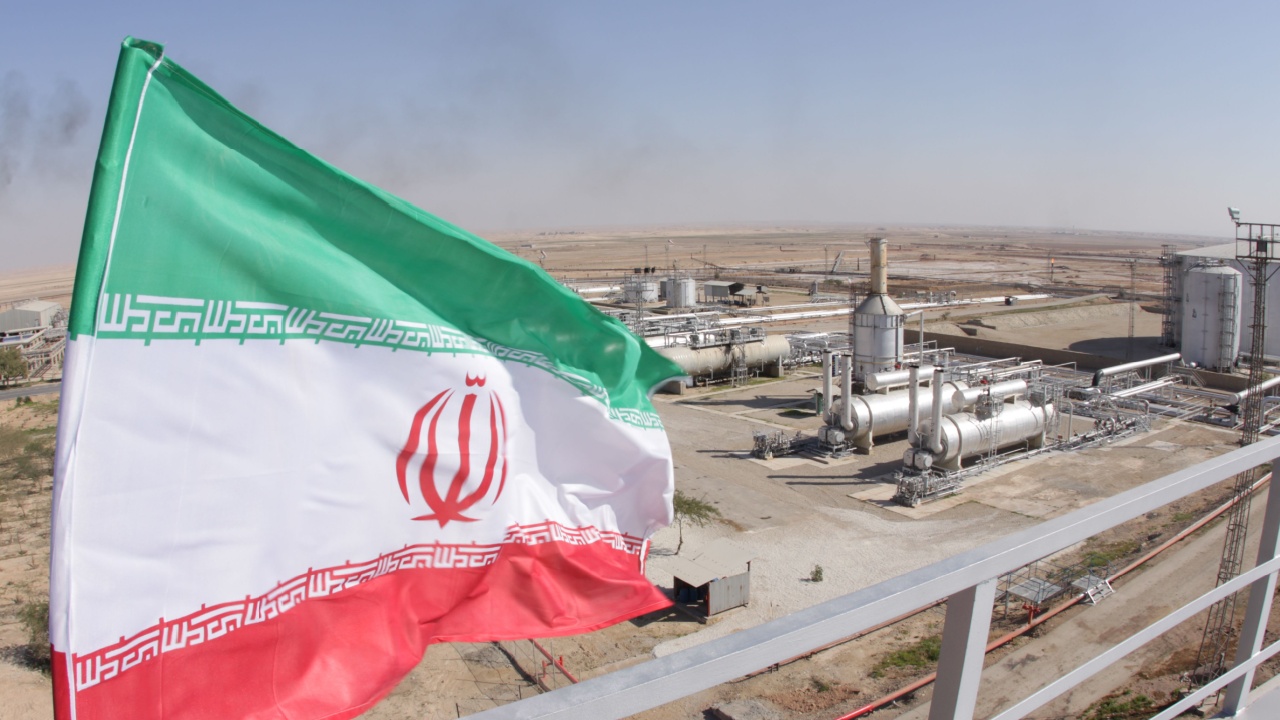
Iran’s energy sector was long treated as a stabilizing pillar of both domestic governance and regional policy. The country possesses some of the world’s largest natural gas reserves and substantial oil resources. This allowed Tehran to prioritize household consumption while still pursuing limited swap arrangements and seasonal balancing agreements with neighboring states. Gas could move northward in winter. Electricity could move outward in summer. Infrastructure could support cross-border exchanges that benefitted both Iran and its partners.
In Central Asia, these arrangements were particularly attractive. Turkmenistan has historically relied on gas exports to multiple destinations to avoid overreliance on a single buyer. Uzbekistan has explored electricity trade with its southern neighbors during peak production periods. Kazakhstan has considered logistical cooperation tied to energy transit. Iran’s grid connections and pipeline infrastructure offered flexibility in a region where seasonal supply mismatches are common.
But these arrangements depend on surplus capacity. As domestic consumption rises and infrastructure struggles to keep pace, Iran faces a more difficult balancing act. Meeting internal demand during winter months already requires diverting gas from industrial users and tightening discretionary export commitments during peak demand periods. Electricity shortages, therefore, constrain Tehran’s ability to maintain stable regional swap agreements that depend on predictable seasonal flows. Wartime pressures further narrow this margin by increasing the need to reserve energy capacity for domestic contingencies.
This is not merely a technical issue. It has political implications inside Iran.
Utility disruptions have become a recurring source of public frustration. During peak demand periods, decisions about allocating available supply among domestic users, industry, and external commitments may entail visible domestic political costs, particularly when shortages coincide with broader economic stress.
Internal tradeoffs are therefore shaping regional policy. Iran’s leadership has long emphasized connectivity with Central Asia as a means of offsetting economic isolation. Transit fees, energy swaps, and electricity trade can generate revenue and reinforce Tehran’s position as a logistical partner. These arrangements also deepen political ties by embedding Iranian infrastructure in regional supply chains.
Yet the more domestic shortages intensify, the harder it becomes to sustain that external role without increasing the domestic political visibility of allocation tradeoffs. Periods of armed conflict amplify this dilemma by raising the political and strategic costs of allocating scarce energy resources beyond Iran’s borders.
Central Asian states are attentive to reliability. For landlocked producers, diversification is a central strategic objective. Turkmenistan’s export policy has consistently aimed to balance sales among China, Russia, and other potential partners. Kazakhstan has expanded maritime options across the Caspian in order to complement pipeline routes. Uzbekistan has invested in domestic electricity generation to reduce seasonal deficits.
Iran’s appeal has rested on the promise of flexibility and proximity. If domestic constraints begin to limit its ability to deliver consistent supply or transit support, partners may look elsewhere.
Alternative routing options have gradually expanded in parallel with broader regional diversification efforts. Gas exports from Turkmenistan toward Azerbaijan and onward to Turkey, increased oil shipments across the Caspian, and expanded electricity production in Uzbekistan all contribute to a regional environment in which Iran is no longer the sole southern option. Even where Iranian infrastructure remains competitive, uncertainty over future surplus capacity may become a factor in long-term infrastructure planning alongside other strategic considerations.
These diversification efforts also intersect with broader Eurasian transport and energy corridors. China’s Belt and Road investments, Russia’s evolving logistics routes, and the growing interest in the Trans Caspian or Middle Corridor have encouraged Central Asian states to expand westward and maritime connections across the Caspian. As these alternatives mature, Iran’s geographic advantage remains significant but no longer singular. The relative attractiveness of Iranian routes increasingly depends on reliability, infrastructure performance, and political risk alongside distance and cost.
Active conflict in the region may also factor into these calculations, as governments assess the long-term security and reliability of infrastructure connected to states engaged in military confrontation.
From the perspective of Central Asian policymakers, the question is not whether Iran’s geography has changed. It has not. The question is whether Iran’s internal systems can support the external commitments that geography invites.
For Washington, this dynamic presents a more nuanced policy landscape than one defined solely by sanctions or diplomatic isolation. Iran’s regional influence is not determined only by its ability to evade financial restrictions or maintain political ties. The quality of domestic infrastructure also shapes it. Military conflict places further strain on that infrastructure by increasing operational demands while complicating maintenance, investment, and cross-border coordination.
A state struggling to provide stable electricity to its own industrial base may find it difficult to serve as a reliable partner in regional energy balancing. A government facing protests over utility shortages may hesitate to prioritize export commitments during periods of domestic stress.
This does not imply that Iran will withdraw from Central Asia. Engagement is likely to continue. Swap agreements and transit projects remain valuable tools for managing economic pressure. But the terms of that engagement may shift as internal capacity becomes a binding constraint.
Iran’s role could gradually evolve from a seasonal balancing partner to a primarily transit facilitator, relying more on reciprocal arrangements that distribute risk among partners.
Rather than positioning itself as an exporter, it may emphasize transit services that require less domestic energy commitment. Such adjustments would preserve regional links while acknowledging internal limitations.
If over time Iran’s external role shifts toward transit rather than seasonal balancing, the political leverage associated with supply relationships could diminish relative to simple corridor access. Transit corridors generate revenue, but they do not confer the same strategic weight as energy supply relationships. The ability to stabilize a partner’s grid during peak demand carries political significance that a simple passage does not.
Iran’s internal energy constraints now intersect directly with its regional policy commitments, making decisions about energy allocation increasingly political.
Geography still matters. Iran remains a southern neighbor with access to warm water ports. But geography alone cannot sustain regional influence without the domestic capacity to generate reliable surplus energy.
As Central Asia’s economic ties diversify and domestic pressures mount within Iran, the viability of Tehran’s regional role may depend less on where it sits on the map and more on what it can reliably deliver from within its own borders. In periods of war as well as peace, regional influence ultimately depends not only on geography but on the ability of domestic systems to sustain external commitments.
About the Author: Fatemeh Aman
Fatemeh Aman has written on Iranian, Afghan, and broader Middle East affairs for over 25 years and advised US and non-governmental officials. A former non-resident fellow at the Middle East Institute and senior fellow at the Atlantic Council, a writer, producer, and anchor at Voice of America, and a correspondent at Radio Free Europe/Radio Liberty, her work has appeared in Jane’s Islamic Affairs Analyst, Jane’s Intelligence Review, and the Stimson Center’s Middle East Perspectives. Follow her on X: @FatemehAman.