God’s command to honor your mother and father comes naturally to some people but can feel extremely difficult — or even impossible — for others, especially if they grew up in an abusive home.
But the fifth commandment isn’t caveated by any exceptions for dishonorable, difficult, or abusive parents. God requires us to honor our parents unconditionally.
For the person who seeks to uphold God’s commandments but comes from an abusive home, what does that look like? Is God requiring them to endlessly endure torment?
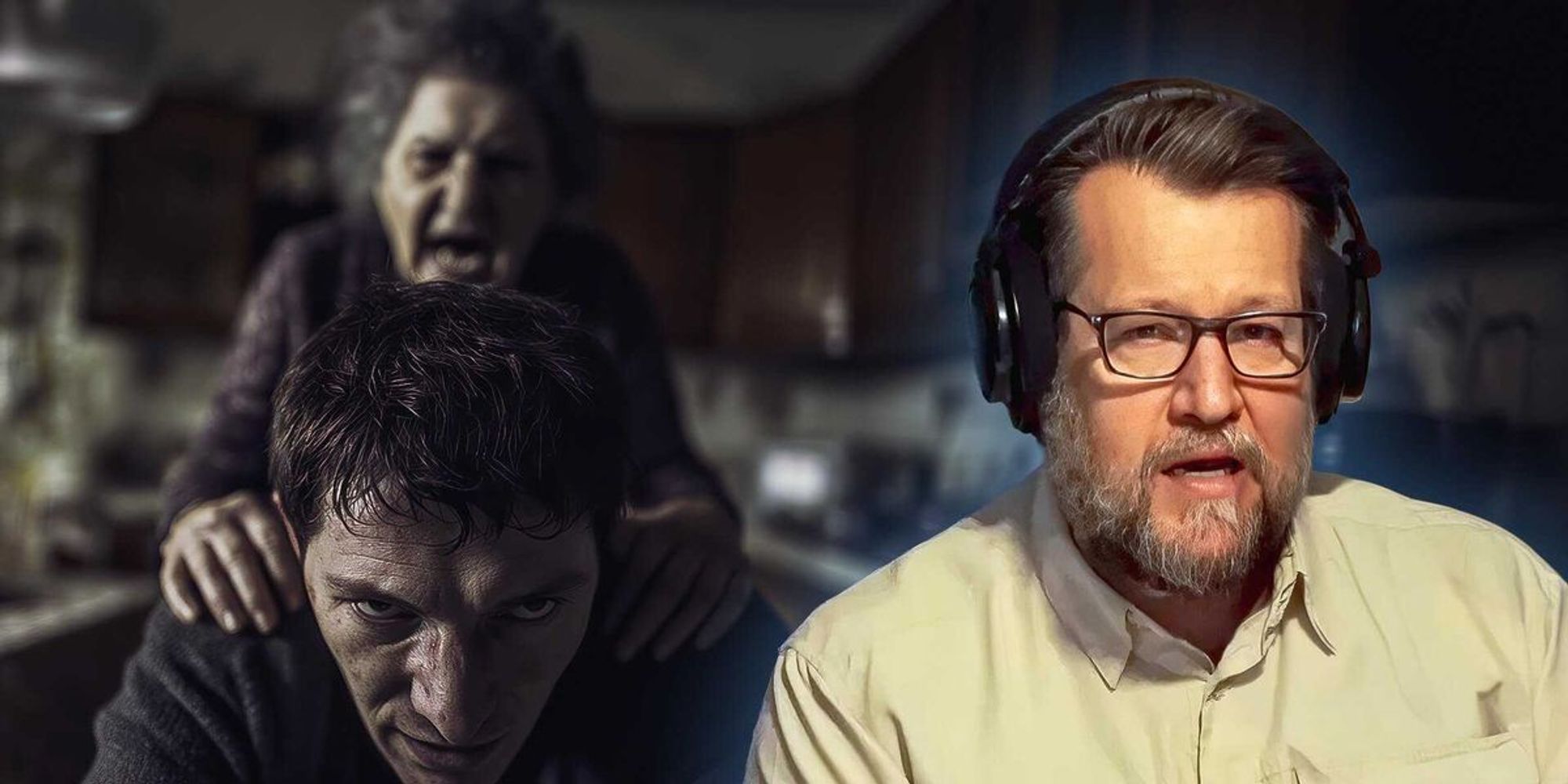
On this episode of “Strange Encounters,” BlazeTV host Rick Burgess addresses this difficult scenario.
After Rick published his book “Men Don’t Run in the Rain: A Son’s Reflections on Life, Faith, and an Iconic Father,” he started receiving feedback from people who couldn’t relate to his positive relationship with his father. They came from backgrounds where abuse, cruelty, or severe mental health issues were rampant in the home.
“I cannot keep allowing [my abusive mother] into my life. … I’m much better off when we do not have a relationship,” one “Strange Encounters” listener wrote in an email to Rick.
“I want to do right by God, so I’d love a little bit of wisdom on how to move on with my life respectively and continue to be right with God,” he added.
Rick, expressing deep sympathy to those who grew up in difficult homes, says that people often mistakenly equate God’s command to honor our parents to a lifelong prison sentence where they are not permitted to distance themselves from the toxicity.
“When the Bible says to honor your mother and father, it does not mean that if your mother and father were bad people or treated you poorly, that you’re just supposed to disregard that or that somehow that’s OK because they’re your mother and father,” he corrects.
Honoring our parents, Rick explains, is less about our parents and more about our own freedom and spiritual health.
“What Scripture is talking about is not how they lived their life. It’s talking about how you, me — their children — how we live our life. It’s calling us to a high standard. It’s calling us to not repeat the mistakes that they made,” he says, encouraging people from toxic homes to “[break] that generational cycle.”
“[Demons] love bitterness, and they love to manipulate you through it. Unresolved anger, this kind of stuff, it’s damaging you. It’s not doing anything to the people you’re upset with,” he continues.
It is entirely possible, Rick argues, to physically and emotionally distance ourselves — maybe even cut off contact altogether — from our parents and still honor them simply by living honorable lives.
“We live our lives in a way that brings honor to them, whether they deserve it or not,” he says.
“I’ve got people even in my own family … where, honestly, my life and even theirs is a lot healthier if we just don’t interact very much,” Rick admits.
“But what I have done is, I have no bitterness toward this family member. … I have forgiven for anything that they did that hurt me, and I’ve asked them to forgive me for anything I’ve done that hurt them. But that doesn’t mean that we hang out all the time because it’s just not healthy, and that’s OK.”
To those who want to uphold God’s command to honor their parents but feel that distance is the best path, Rick’s advice is simple: “Get rid of the bitterness. … Get rid of the anger, and offer them complete forgiveness, but you’re under no obligation to continue to be manipulated by people.”
To hear more, watch the full episode above.
Want more from Rick Burgess?
To enjoy more bold talk and big laughs, subscribe to BlazeTV — the largest multi-platform network of voices who love America, defend the Constitution, and live the American dream.