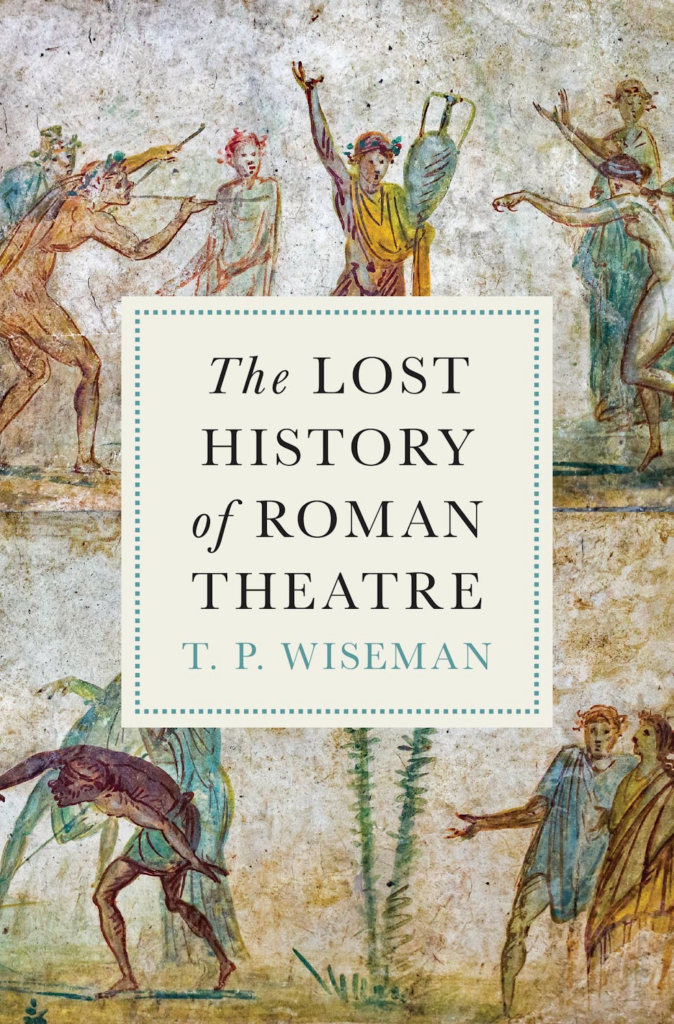
The Lost History of Roman Theatre, by T. P. Wiseman (Princeton University Press): Befitting the title, the dedication of T. P. Wiseman’s new book about Roman theater is “For Rhinthon and Menippus,” Greek dramatists of the fourth and third centuries B.C., whose work is known to us in vanishingly small traces, but who nonetheless exerted a signal influence on the development of the Roman genre. But perhaps “genre” is too strict a term—for as Wiseman reminds us, Roman theatrical practice extended well beyond the “literary” drama said by later commentators (Livy, Cicero) to have been inaugurated by Livius Andronicus in 240 B.C. And perhaps “Roman” is not quite right, either: Greek drama could not have been grafted onto a Roman substrate in 240 B.C., as Wiseman explains, because “Roman theater” had already been thoroughly Hellenized in the preceding centuries. Relying on recent archaeological evidence as well as scrupulous analysis of textual sources, The Lost History of Roman Theatre goes beyond its nominal subject to shed new light on the religion, politics, arts, and literature of the ancient Roman world. —RE
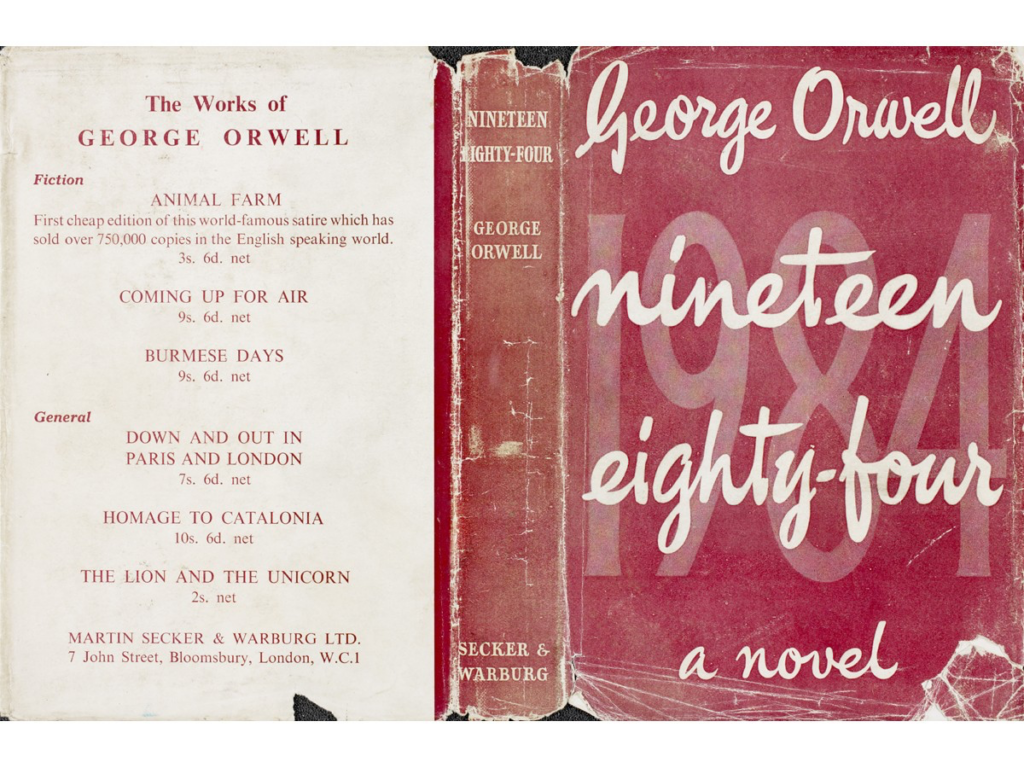
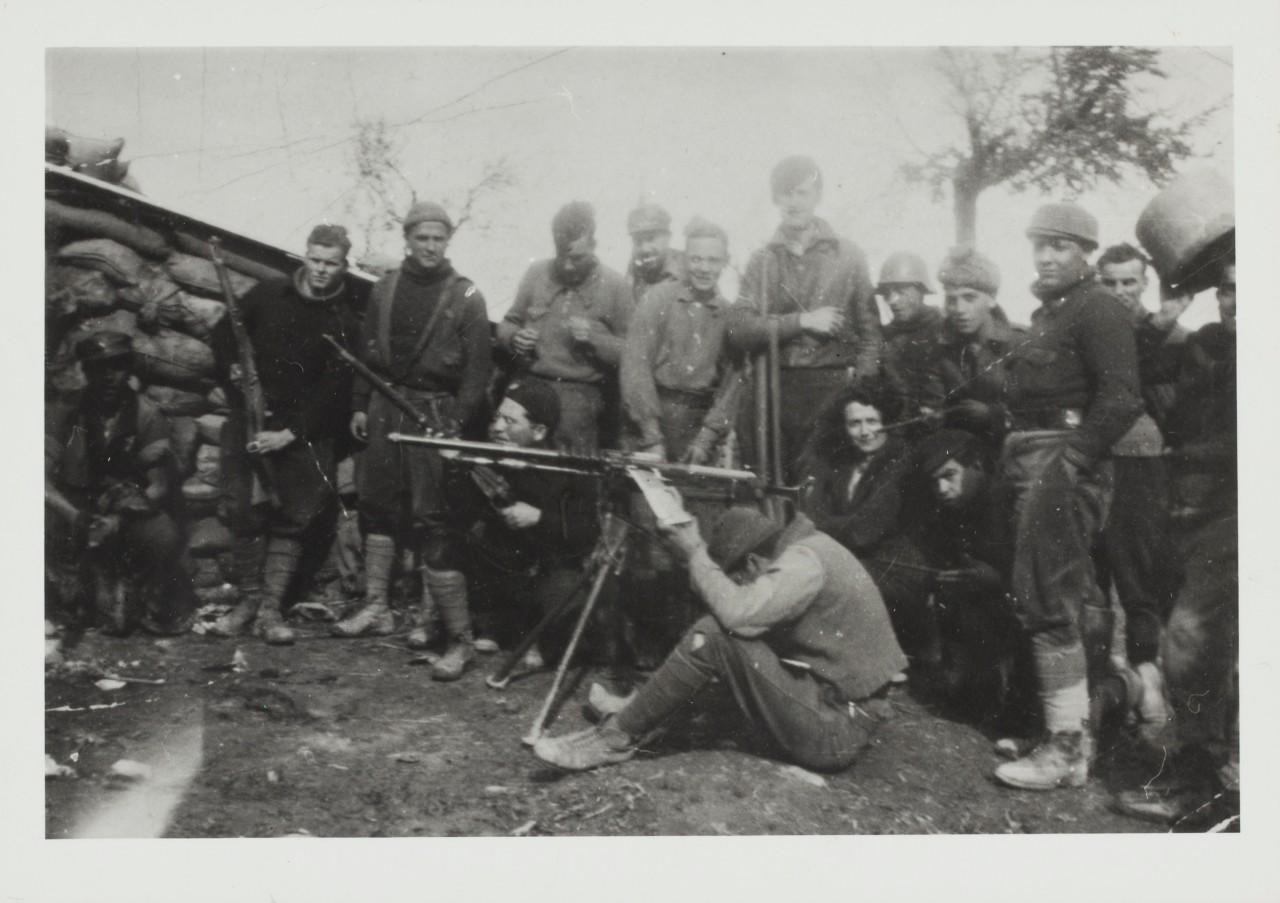
Opening reception for “Orwell and Truth: The Legacy of Author George Orwell,” at NYU’s King Juan Carlos Center (March 4): This Wednesday an exhibition of archival material related to George Orwell’s life opens at New York University’s Kimmel Windows Gallery with a panel discussion on the author. Featuring materials from the Orwell Foundation, University College London’s George Orwell Archive, and NYU’s Tamiment Library and Robert F. Wagner Labor Archives, “Orwell and Truth” will present forty-nine objects—ranging from photographs and letters to research materials and manuscript pages—at the free, twenty-four-hour-a-day sidewalk venue through December 1. An opening afternoon reception at the nearby King Juan Carlos Center, free with registration, will inaugurate the show with remarks by Michael Spence (University College London), GiGi Dopico (NYU), and Liz Wallace (The Orwell Foundation), followed by a panel discussion with Orwell’s son Richard Blair and the biographer D. J. Taylor. —JP
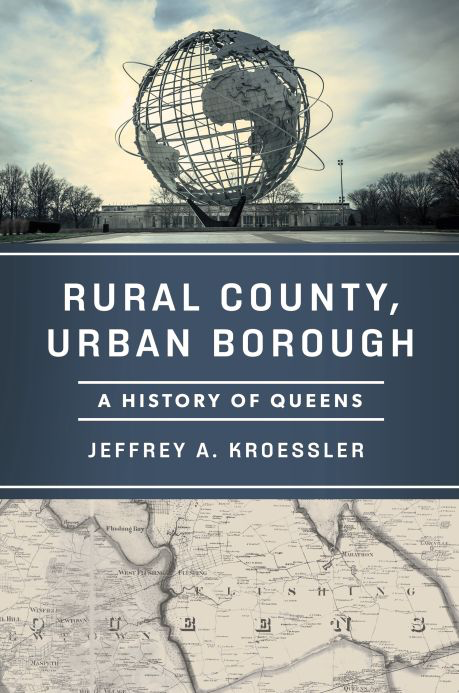
“A History of Queens: Rural County, Urban Borough” with Laura Heim, at the General Society Library (March 10):Though Flushing is now America’s largest Chinatown, a vibrant and decidedly urban city within the city, its origins are rural. Witness the still-extant John Bowne House, built in the 1660s, a tiny shingled saltbox that wouldn’t be out of place on Cape Cod. While most of the evidence of Queens’s early Dutch and English settlement has disappeared, traces such as the Bowne House, or Jamaica’s King Manor, the estate of the Founding Father Rufus King, a Colonial manse first constructed circa 1730, point to a bucolic past. On March 10, the architect Laura Heim will deliver a lecture on the origins and development of New York’s most diverse borough, drawing on the work of her late husband, Jeffrey A. Kroessler, whose 2025 book Rural County, Urban Borough: A History of Queens tilled the territory. A livestream is available for those who can’t make it to the General Society Library next week. —BR
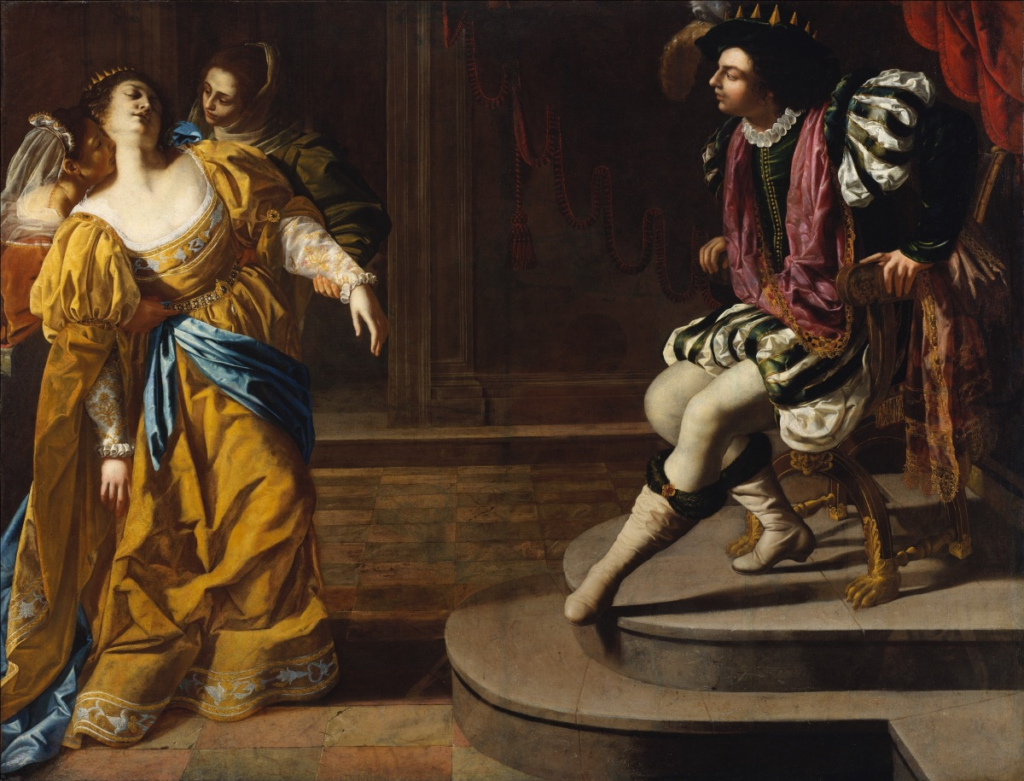
“Virtual Seminar: Artemisia Gentileschi’s Esther,” hosted by the Museum at Eldridge Street (March 4): This year, Purim is bound to hit particularly close to home for many observers. In light of Operation Epic Fury, the Jewish holiday celebrating the victory of an oppressed people over a tyrannical Persian government bent on their destruction takes on a host of new resonances. For the non-observer, there’s never been a better time to revisit the biblical story of Esther, which was also a favorite subject of Baroque artists. Doubtless one of the most beloved pictorial renditions of the Jewish heroine is Artemisia Gentileschi’s Esther before Ahasuerus (1620s). This week, the painting will be the subject of a virtual symposium, hosted by the Museum at Eldridge Street, featuring the Renaissance scholars Sheila Barker and Eugenio Refini in conversation with the soprano and film director Jessica Gould. The discussion will center on the painting’s extraordinary theatricality, which is enough to inspire even more casual observers to dress up for Jewish Halloween. —AG
TNC Events:
Piano evening with Ignat Solzhenitsyn
Thursday, March 19
If you have not already, become a member of the Friends and Young Friends of The New Criterion here.
Dispatch:
“Exiled abstraction,” by Max L. Feldman. On “TIHANYI 140,” at the National Gallery of Hungary, Budapest.
By the Editors:
“Prolegomena to Jane Harrison”
Roger Kimball, Antigone
From the Archives:
“Matisse: Into the Twenties,” by Jed Perl (February 1987).On “Henri Matisse: The Early Years in Nice, 1916–1930,” at the National Gallery of Art, Washington, D.C.