Starbucks is deploying AI-powered systems at drive-throughs, virtual assistants for staff, and automated inventory tools as part of a multimillion-dollar turnaround strategy under CEO Brian Niccol.
BBC news reports that Starbucks is implementing new technology at locations across the United States, where customers at some drive-through locations are now being greeted by AI robots that take their orders instead of human staff members. Inside stores, baristas have access to a virtual personal assistant that helps them recall recipes and manage their work schedules. In the back rooms, scanning tools have replaced the manual inventory counting process, eliminating one of retail’s most time-consuming tasks and addressing stock shortage issues that have plagued the company.
These technological upgrades represent part of hundreds of millions of dollars in investments as Starbucks attempts to recover from several years of struggling sales performance. The strategy appears to be yielding results. Last week, the company announced its first sales increase in two years at established stores in the United States, which represents its largest and most important market, accounting for approximately 70 percent of total revenue.
Despite the positive sales news, investor reaction was mixed. The company’s share price dropped five percent following the announcement, reflecting concerns that the extensive spending program, which includes $500 million allocated to boost staffing levels, had negatively impacted profit margins. Chief executive Brian Niccol expressed confidence that sustained sales growth will eventually resolve the profitability concerns. With the company committing to find $2 billion in cost savings over the next three years, technology investments are considered essential to ensuring that improved sales translate into better profit margins.
“I think that’s all going to come,” Niccol told the BBC. “I really do believe we’ve got the right plan in place.”
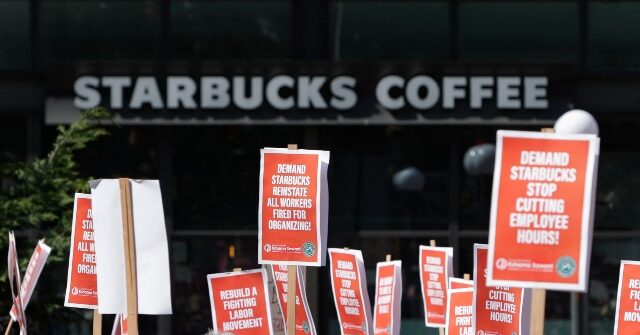
Niccol joined Starbucks in 2024 during a particularly challenging period for the business. Customers were resisting after a series of price increases, competition in the coffee sector was intensifying, and the brand faced boycott calls connected to disputes with its notoriously leftist baristas over pay and benefits.
The 52-year-old executive, who had previously impressed the industry with his successful turnaround of fast-casual burrito chain Chipotle Mexican Grill, quickly began implementing changes. He announced a halt to price increases, streamlined the menu, and established a goal for baristas to complete orders in four minutes or less. Starbucks also eliminated thousands of corporate positions, closed underperforming stores, and divested a substantial portion of its business operations in China.
The company’s decision to deploy AI technology while simultaneously emphasizing the importance of personal connection might appear contradictory, but Niccol sees no conflict between the two approaches. “It’s a way for us to make the experience… have less friction,” he said.
Starbucks is testing an AI-powered chatbot designed to help match drinks with customer moods and is introducing the capability to schedule orders in advance to reduce customer wait times. At drive-through locations, the company is testing a system to process orders and allow staff to concentrate on hospitality and beverage preparation.
Read more at BBC News here.
Lucas Nolan is a reporter for Breitbart News covering issues of free speech and online censorship.