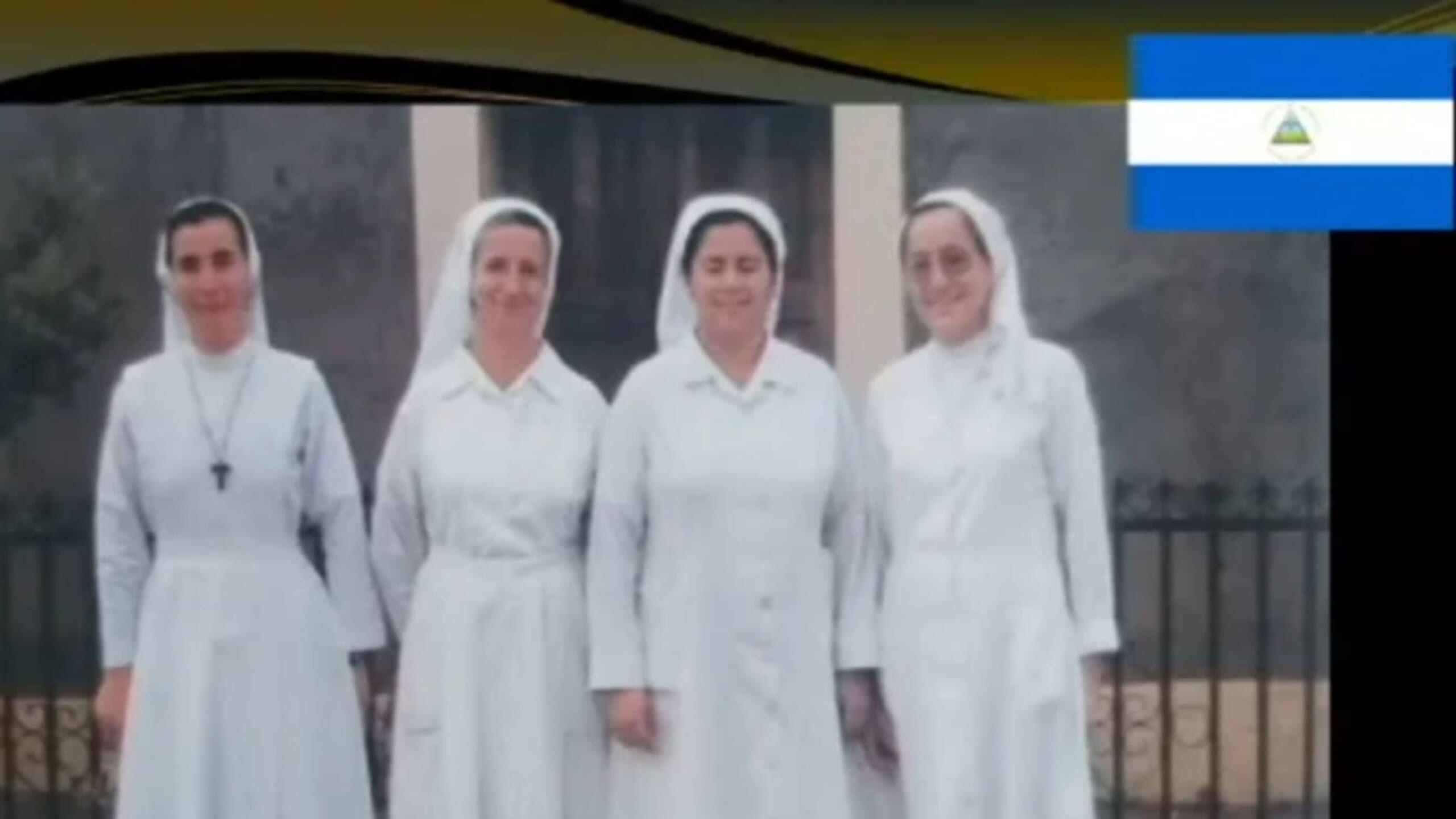
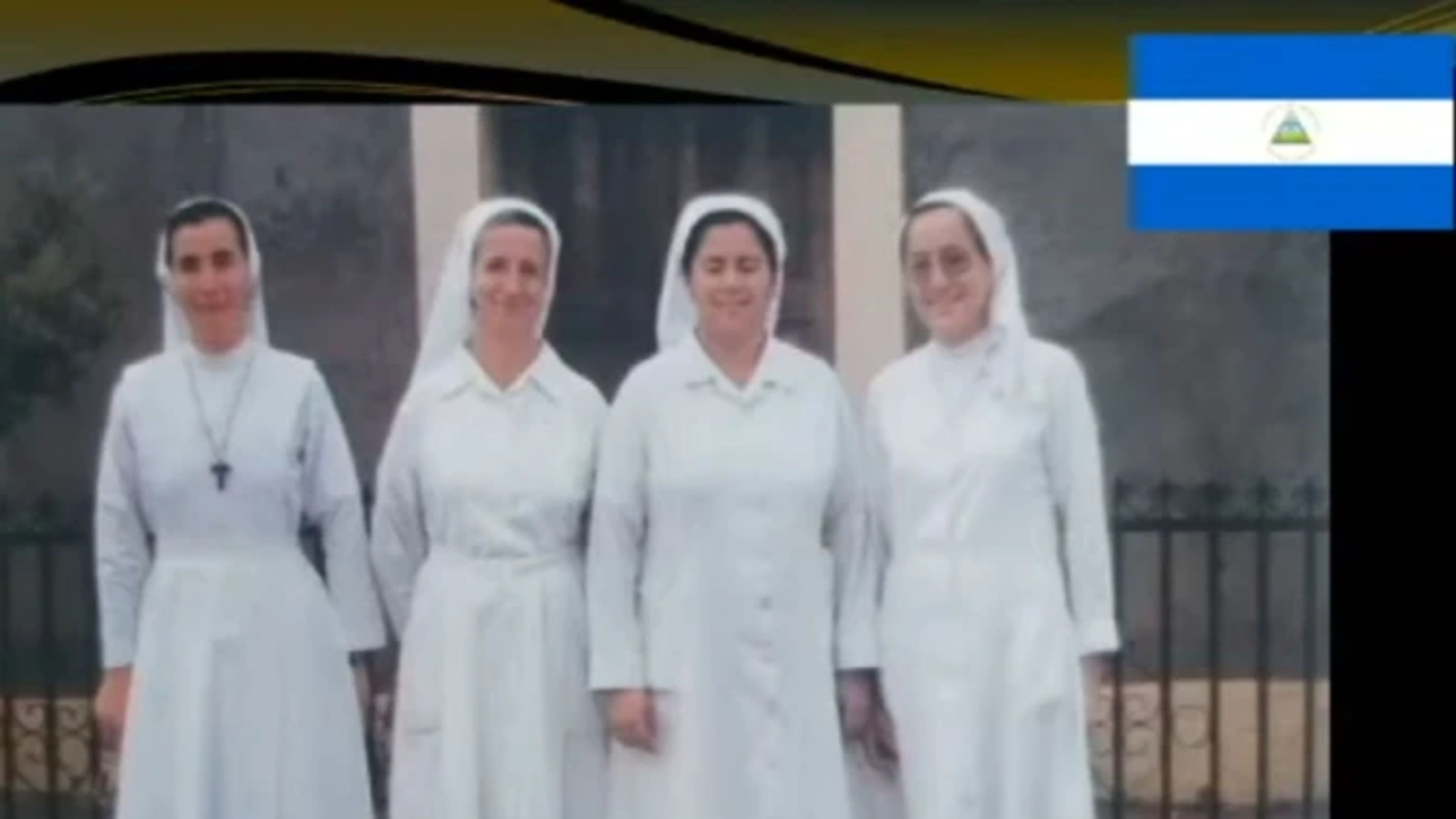
The Capuchin Tertiary Sisters of the Holy Family announced they are leaving Nicaragua after a period of “discernment by the congregation,” considering that the objectives that brought them to the Central American country “have been fulfilled.” They also denied having been expelled.
“In light of false information circulating on social media, we wish to clarify the reason for ending our presence in Totogalpa, Nicaragua,” the nuns said in a Jan. 24 statement.
“After a period of discernment by the congregation, it has been recognized that the goals that brought us to these lands have been fulfilled. Therefore, the decision has been made to end our pastoral presence, trusting that the seed that was planted will continue to grow in the hands of this parish community,” adds the text signed by Sister Maribelle Umaña Machado, provincial superior of Our Lady of Guadalupe Province.
Allegations of harassment
The nuns published their message after well-known journalists, such as Miguel Mendoza, a Nicaraguan based in Miami, reported that the nuns were “forced to leave Nicaragua under pressure” from the dictatorship of President Daniel Ortega and his wife and co-president, Rosario Murillo, “ending more than 30 years of pastoral, evangelizing, and social service in the Chorotega Indigenous community of Totogalpa in the Madriz district.”
Mendoza said on X that “the decision was officially confirmed on Saturday, Jan. 24, 2026, during a meeting at the pastoral center of St. Mary Magdalene Parish, where it was announced that the nuns must leave the country permanently.”
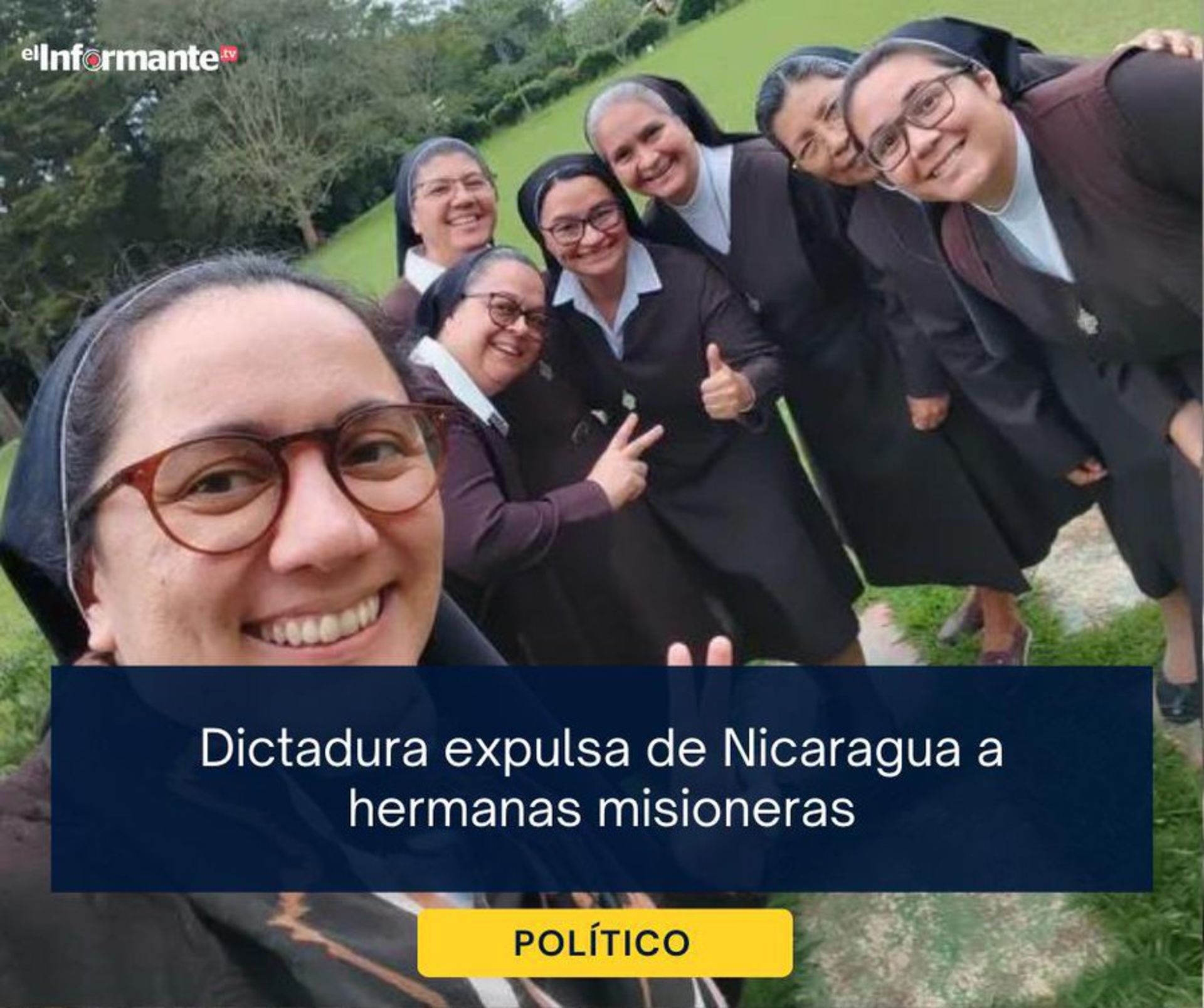
“Dictatorship in Nicaragua expels missionary sisters” reads a screen shot from a social media video. | Credit: elInformante, YouTube channel of Miguel Mendoza
For decades, the Capuchin Tertiary Sisters of the Holy Family helped the local community with catechesis, formation of lay leaders, disaster relief efforts such as those following Hurricane Mitch, and collaboration with Caritas. According to Mendoza, during 2025 they lived “under constant harassment, which led them to receive an ultimatum,” along with the fear of “confiscation of their property.”
Nuns deny ‘persecution’ by the dictatorship
ACI Prensa, the Spanish-language sister service of EWTN News, contacted the Capuchin Tertiary Sisters of the Holy Family and on Jan. 26 received a response from Sister Elia Julia Rosales, provincial secretary of the Our Lady of Guadalupe Province, who clarified that “regarding the content circulating on social media and in some news outlets, we wish to reiterate clearly that our official position is that expressed in the OFFICIAL NOTICE and in communiqué … of Jan. 24, 2026.”
“It is NOT true that the Capuchin Tertiary Sisters of the Holy Family were forced to leave Nicaragua due to external pressure,” the nun emphasized, reiterating what was said in her congregation’s statement regarding their departure from Totogalpa: The goals of their mission “have been fulfilled.”
“Any claims about ‘expulsion,’ ‘ultimatums,’ ‘harassment,’ ‘confiscations,’ ‘forced sale of assets,’ or other similar expressions do not correspond with our official communication,” the nun clarified.
The sister also emphasized that “regarding the ‘persecution’ [allegations], we wish to be equally clear: In our experience and within the framework of this decision, we have not experienced or reported a situation of persecution.”
When asked about the destination of the nuns leaving Totogalpa, Rosales stated that “for reasons of prudence and security, we do not provide operational or sensitive information regarding the number of sisters, nationalities, itineraries, transfers, or specific destinations in any country where we have a presence.”
Similarly, she concluded: “We do not comment on statements made by third parties; we refer only to our official channels.”
Martha Patricia Molina, a Nicaraguan researcher in exile and author of the report “Nicaragua: A Persecuted Church,” told ACI Prensa on Jan. 26 that the nuns “announced that after a period of discernment, they are leaving. They all say the same thing.”
“They haven’t put them on a plane or a bus, but they are forcing them to leave and making it seem as if, after 35 years of being well established in Nicaragua, they are deciding to leave of their own free will, when it is the Immigration Department and the Ministry of the Interior that are putting them in this situation. They are being forced to publish those statements,” Molina assured.
The researcher told ACI Prensa earlier this year that between 2018 and the end of 2025, a total of 43 properties belonging to the Church have been confiscated, and the dictatorship has carried out 1,030 attacks against Catholics, in addition to having prohibited 18,808 processions.
In recent years, women’s religious congregations such as the Missionaries of Charity in 2022, the Dominican Sisters of the Annunciation in 2023, and the Religious of the Cross of the Sacred Heart of Jesus, among others, have been forced to leave Nicaragua.
Molina also posted a comment on Facebook about the departure of the nuns, along with several photographs, including her statement that “religious congregations are being harassed, and several of them are being coerced and extorted; some congregations give in to the threats, while others are unable to do so and are FORCED to end ‘their pastoral presence.’”
Statement from the Archdiocese of Managua
The Archdiocese of Managua, headed by Cardinal Leopoldo Brenes, also issued a statement regarding the departure of the Capuchin Tertiary Sisters of the Holy Family and thanked them for their service “in the Totogalpa Parish, for more than 20 years in the neighboring Diocese of Estelí.”
Estelí has been without a bishop since 2021. Its apostolic administrator, or temporary head, is Bishop Rolando Álvarez, who is also the bishop of Matagalpa and was expelled by the dictatorship in January 2024 after serving more than 18 months in prison. He currently lives in exile in Rome.
In its statement, the archdiocese said it contacted the sisters, who reported “officially that their withdrawal from this ecclesiastical province is due to autonomous decisions of their congregation and not for reasons external to their community.”
This story was first published by ACI Prensa, the Spanish-language sister service of EWTN News. It has been translated and adapted by EWTN News English.