After weeks of silence, Russian state media has suddenly pivoted toward a “let’s make a deal” narrative, signaling a startling shift in tone as high-stakes Ukraine negotiations revive in Moscow and Abu Dhabi.
As peace talks over Ukraine press forward, the familiar structures of multilateralism are being bypassed in favor of direct, high-stakes bargaining between presidents Donald Trump and Vladimir Putin, two leaders who fancy themselves masters of the “deal.”
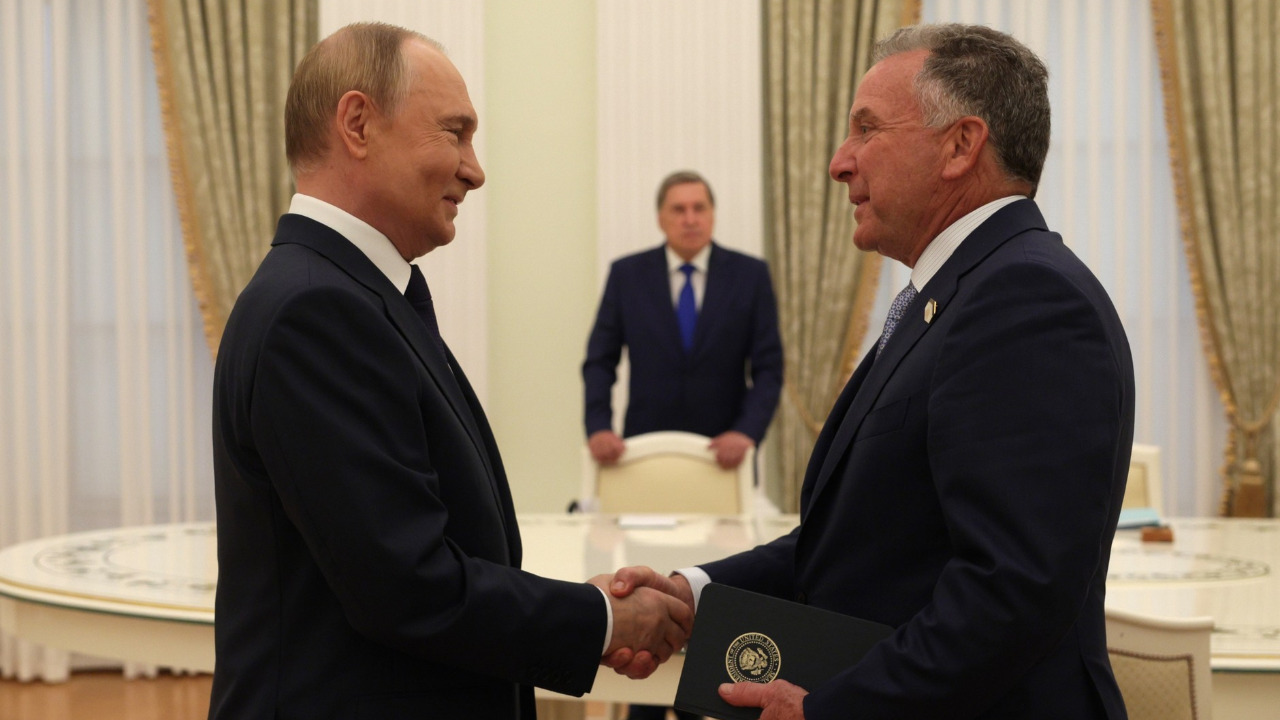
With European leaders watching from afar, the latest negotiations have shifted to a Moscow-Abu Dhabi axis. In late-night Kremlin sessions reminiscent of the Stalin era, American delegations led by Jared Kushner and Steve Witkoff have found in Vladimir Putin a leader who seems ready to settle. The Russian president has even proposed a startling opening bid: using $1 billion of Russia’s own frozen assets to join Donald Trump’s newly minted “Board of Peace.” By offering funds he does not technically control, Putin is signaling a new tack that favors direct accommodation with Washington over continued conflict with a fragmented West.
This newfound rapport extends even to the Arctic, where the diplomatic crisis over Greenland has recently subsided but raised fresh doubts about US commitment to NATO. For the Kremlin, the Greenland dispute serves as a useful instrument to further humiliate Europe, and Putin has effectively endorsed the prospect of US control of the island. At Davos, Belgian Prime Minister Bart De Wever lamented that Europeans have become “miserable slaves” to American dictates — a comment that Russian state media happily repeated on weekend news broadcasts.
Are we witnessing the birth of a genuine “New Yalta,” or is Putin merely biding his time for the Trumpian approach to crash and burn? Can a sustainable peace deal with the Kremlin actually be crafted? In the latest episode of Russia Decoded, Andy Kuchins and Chris Monday unpack how Vladimir Putin and Russian elites understand the world, and how they seek to influence it.
Listen to the new episode now on Apple, Spotify, or wherever you get your podcasts.
About the Speakers: Andy Kuchins and Chris Monday
Andrew C. Kuchins is currently a senior fellow at the Center for the National Interest and an adjunct professor at the Johns Hopkins University School of Advanced International Studies. He has served as President of the American University of Central Asia and the Director of the Carnegie Moscow Center as well as the Russia and Eurasia Programs at the Carnegie Endowment for International Peace and the Center for Strategic and International Studies. He is the author or editor of 7 books and published columns for The Wall Street Journal, The New York Times, The Washington Post, and many other media outlets.
Chris Monday is an associate professor of economics at Dongseo University in Busan, South Korea.
Image: Russian President Vladimir Putin meets US Special Envoy Steve Witkoff in Moscow, August 2025 (Office of the President of the Russian Federation via Wikimedia Commons).