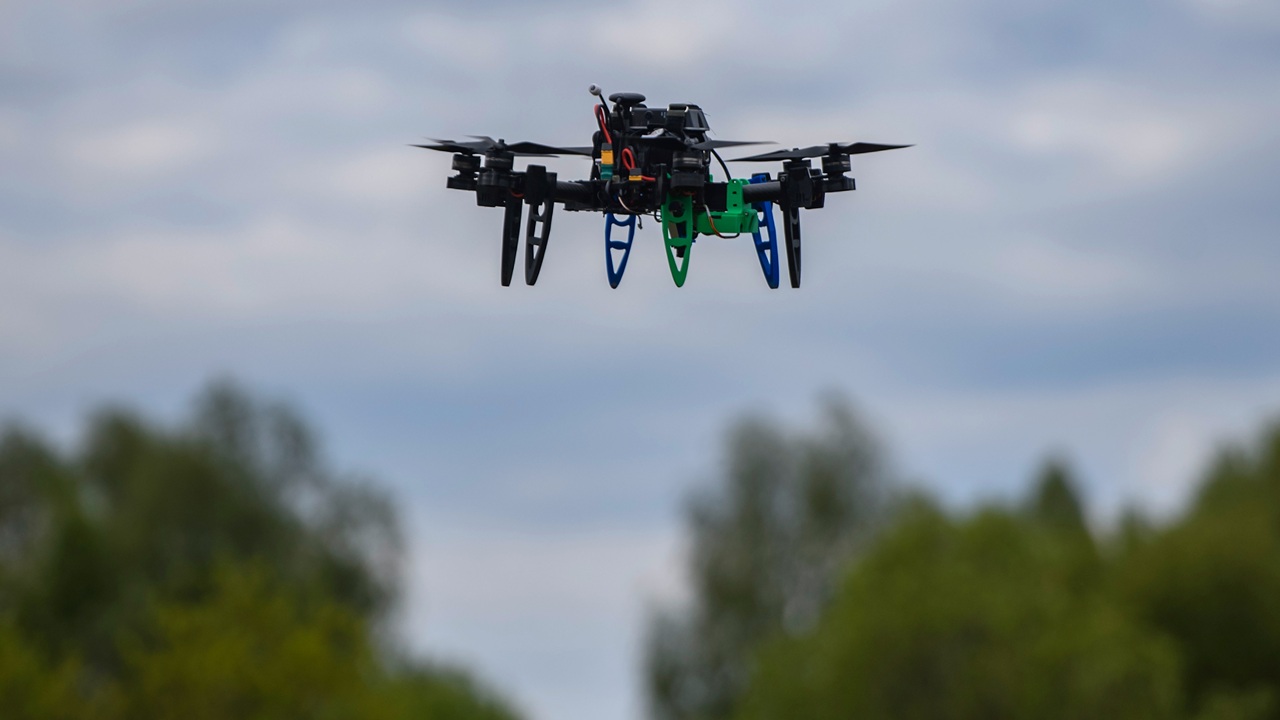
Ukraine’s sophisticated anti-personnel drone network has effectively frozen the Russian advance near Kupiansk—a promising sign that its tactics could be copied elsewhere.
The situations in Venezuela, Iran, and Greenland have drawn the attention of the international community. However, fighting in Ukraine continues with an unrelenting pace as both combatants adjust to the realities of war and seek ways to gain an advantage.
Russia’s Offensive Continues, with Diminishing Returns
The Russian military still maintains the strategic and operational advantage on the battlefield. The Kremlin relies on long-range fires attacks on Ukrainian urban centers and critical infrastructure to increase pressure on the Ukrainian government and force a peace agreement on Russia’s terms. Moreover, the Russian forces are pushing hard on the ground to capture more territory.
Despite holding the initiative on the battlefield, the Russian forces are nowhere close to achieving the Kremlin’s goals. The Ukrainian military has largely foiled them at each turn. Indeed, despite troop and ammunition shortages, the Ukrainians are inventing new concepts to kill Russian troops.
Ukraine’s Drone Kill Zones Have Stopped the Russians in Their Tracks
The Ukrainian military is using one-way attack unmanned aerial systems to deny territory to the Russian forces. For example, near the town of Kupiansk in the eastern part of the country, the Ukrainian forces have established a drone kill zone that has destroyed an estimated 90 percent of Russian units before they even get to the Ukrainian fortified positions.
“Ukrainian forces reportedly created a tactical kill zone that denies Russian forces from using vehicles within 20 to 25 kilometers of the front line or using infantry within one kilometer of the front line near Kupyansk—a capability that Ukraine should deepen and expand across the entire theater,” the Institute for the Study of War assessed in its latest operational update on the conflict.
Both sides are using one-way attack unmanned aerial systems, or loitering munitions, to attrite their adversary.
Drone Kill Zones Work—but Are Expensive
“ISW assesses that Ukrainian forces could likely deny Russian advances and enable Ukrainian counterattacks across the theater if Ukrainian forces can replicate the reported effects achieved in Kupyansk across the entirety of the theater, and at greater operational depths, such that Ukrainian forces deny Russian infantry from maneuvering within even deeper sections of the front line,” the Institute for the Study of War estimated.
However, such a large-scale application of the drone kill zone concept would require tens of thousands of loitering munitions and enough trained operators to deploy them. The Ukrainian military has been receiving significant security aid from its Western partners. The United Kingdom, in particular, has led the effort to equip the Ukrainian forces with loitering munitions. But still, the Ukrainian military would need a steady delivery of tens of thousands of one-way attack unmanned aerial systems every month.
If the Ukrainians do manage to expand their drone kill zone concept to larger parts of the battlefield, they could significantly degrade the Russian military’s ability to advance. Destroying tactical vehicles used to ferry Russian troops at a distance will force the Russian dismounted infantry to just walk longer distances to the Ukrainian positions, making them increasingly vulnerable to loitering munitions and artillery fire.
After almost four years of brutal fighting, the Ukrainians continue to impress with their ability to invest in new ways to defend their homeland from Russian aggression.
About the Author: Stavros Atlamazoglou
Stavros Atlamazoglou is a seasoned defense journalist specializing in special operations and a Hellenic Army veteran (national service with the 575th Marine Battalion and Army HQ). He holds a BA from the Johns Hopkins University and an MA from the Johns Hopkins’ School of Advanced International Studies (SAIS). His work has been featured in Business Insider, Sandboxx, and SOFREP.
Image: Shutterstock / paparazzza.