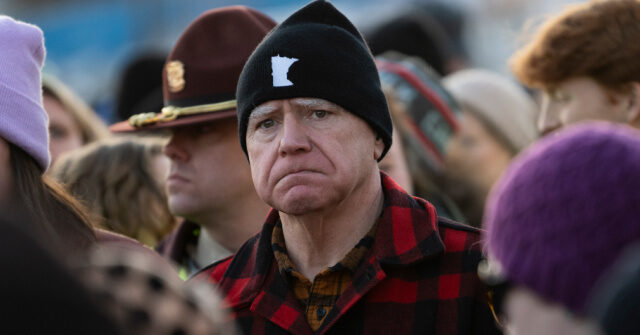
Minnesota Governor Tim Walz is facing formal impeachment proceedings after Republican lawmakers introduced four articles accusing him of corrupt conduct in office, centered on his alleged role in overseeing, enabling, or failing to act on extensive fraud in state-run programs.
According to the resolution, under Article I, Walz is charged with knowingly permitting the concealment of “widespread fraud within Minnesota state administered programs,” despite “repeated warnings, audits, reports, and public indicators of systematic abuse.” It states that the governor was made aware of this fraud through “briefings, audits, agency reports, or public findings,” yet failed to act effectively. The article claims he “allowed fraudulent activity to continue after credible warnings were raised” and “created or tolerated an environment where disclosure of fraud was delayed, minimized, or obscured from legislators and the public.”
Article II alleges that Governor Walz violated his constitutional oath through actions and omissions that interfered with lawful oversight, investigations, or corrective measures related to fraud in state agencies. The article charges that he failed to promptly direct executive agencies to cooperate with audits, permitted or tolerated resistance to legislative oversight and public transparency, failed to discipline or track officials responsible for fraudulent programs, and delayed reforms while financial losses mounted.
Article III charges Walz with placing “political consideration above lawful administration,” stating that he prioritized the preservation of political narratives over disclosing known program failures, failed to act to protect taxpayer funds once fraud became apparent, and allowed executive agencies to continue operations without proper safeguards after fraud risks were identified. The resolution further states that he undermined public confidence in state government by failing to ensure transparency and accountability.
Article IV accuses the governor of failing to uphold laws related to public fund stewardship. It charges him with allowing statutory safeguards to be ignored, failing to enforce anti-fraud measures, and permitting violations of the law despite being aware of wrongdoing.
As outlined in the resolution, the Minnesota Constitution grants the House the authority to impeach and the Senate the power to try impeachments. Under Article VIII, Section 3, Walz is barred from executing the duties of governor upon the House’s adoption of the resolution and may resume those duties only if acquitted by the Senate.
Ten GOP lawmakers have already announced their support for the impeachment effort, according to Rep. Mike Wiener, who is leading the charge. “Democrat control of our state has led to 9 billion dollars of fraud that we currently know about,” Wiener told Newsweek. “Governor Walz said ‘the buck stops with him.’ Since he refused to resign the next step is impeachment. Our taxpayers are demanding this, and if the Democrats don’t support the impeachment they are complicit with the fraud.”
The push to remove Walz comes amid intensifying scrutiny over the state’s handling of billions in federal and state funds. Reports and investigations have revealed documented fraud in multiple programs, particularly involving Minnesota’s Somali community and daycares and food programs linked to siphoning millions through non-existent or unqualified operations.
President Donald Trump, reacting to the mounting allegations earlier this month, predicted Walz “will possibly leave office before his Term is up,” asserting he had been “caught, REDHANDED” in large-scale fraud.
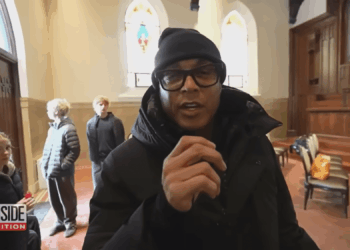
Vice President JD Vance has also weighed in, stating that Walz should resign, citing the “lowest-IQ possible fraud” exposed by citizen journalist Nick Shirley. Shirley’s videos have shown empty facilities receiving federal aid, including a center labeled the “Quality Learing Center,” which has become emblematic of the scandal.
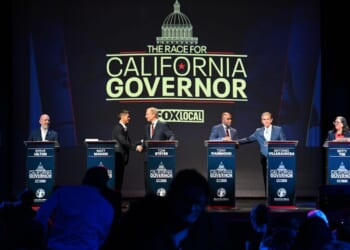
Walz, who recently dropped out of the 2026 gubernatorial race, has denied wrongdoing, instead claiming the investigations are politically motivated. While the Department of Homeland Security has increased enforcement operations and condemned Walz’s leadership, the U.S. Department of Agriculture has suspended federal financial awards to Minnesota and Minneapolis over widespread fraud. USDA Secretary Brooke Rollins declared that “handouts to thieves” would no longer be tolerated.