Watt’s Happening aims to provide breaking news, sharp analysis, and thoughtful commentary from the cutting edge of the energy sector as this dynamic area of the world continues to expand and grow before our eyes.
Weekly Highlights:
Happy New Year!
Russia Feels the Oil-Related Blues
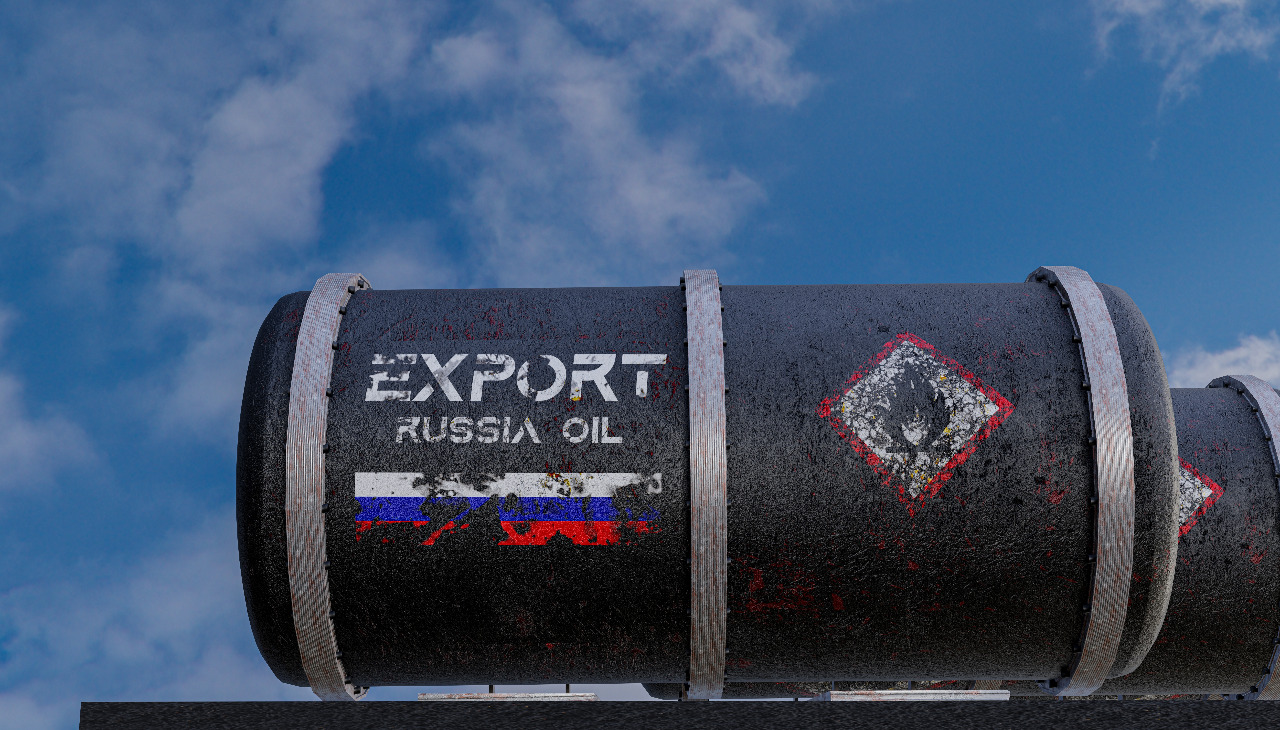
Oil is not doing so well. Indeed, largely due to fears of a worsening supply bonanza caused by the fracking revolution and a decrease in demand, oil is on track to see its lowest prices since the COVID-19 pandemic. Indeed, West Texas Intermediate crude oil futures have reached $58 a barrel, and Brent crude futures hit $61 a barrel. This drop in oil prices has hit Russia and the Russian economy very hard, causing Russian oil exports to fall 50 percent this year, especially in the wake of its invasion of Ukraine. To see the Center’s thoughts on the matter, as well as how this will affect Saudi Arabia, go here.
The Power of Battery Storage Rises in Great Britain
Green energy is booming in Great Britain. Data from Cornwall Insight reports that the amount of energy contained within new battery, wind, and solar projects was 45 GW, marking a 96 percent rise from the projects in 2024. The lion’s share of this was devoted to battery storage — nearly doubling to 28.6 GW. Energy Secretary Ed Miliband underscored the triumphant mood, saying, “Every project we approve, every investment we make is about getting the country off the roller coaster of fossil fuel markets, protecting households, and lowering bills for good.”
Copper is Part of the AI Revolution Too
While much has been written about the energy and water demands of the data centers powering the AI revolution, copper’s role in them has fallen by the wayside. No more. All of the wires in those processors and computers powering your ChatGPT searches require copper to transmit electrons through the circuitry in order to work. As a result, analysts are stating that the price of copper will continue to rise into next year. However, AI cannot shoulder all of the blame. Supply disruptions (especially in Chile) are also partially to blame.
Small Swedish City Takes Center Stage Due to Critical Minerals
Residents of the small Swedish city of Kiruna are being forced to move. But this move isn’t due to a natural or human disaster, or even due to the changing economy. Instead, they are being forced to move because of Europe’s thirst for critical minerals. Indeed, an iron ore mine has been developed underneath the city, which has necessitated the need for the city’s residents to move three kilometers eastward for their safety. Not surprisingly, the project has raised political and economic questions, especially what is going to happen to the local Sami people. The project is scheduled to be completed in 2035.
Japan Embraces Nuclear Energy … Again
After the Fukushima Nuclear Disaster, you would be right in thinking that nuclear energy in Japan was dead. Instead, its death was, as Mark Twain quipped, “greatly exaggerated.” Actually, the new Japanese government is planning to restart 14 of its nuclear reactors very soon and have thirty nuclear power plants active by 2025 — the same date that it has pledged to reach net zero. While the goal of nuclear energy “maximization” is not uniformly accepted as the prudent thing to do, it is worth noting that Japan is also increasing its investments in wind power as well.
About the Author: Toni Mikec
Toni Mikec is the managing editor for Energy World, a publication of the Center for the National Interest. Before that, he worked as a political consultant for Your Voter Guide in Sacramento and as a senior editor at Eagle Financial Publications in Washington, DC. He holds a B.A. in International Relations (summa cum laude) from the University of California, Davis and an M.A. in International Relations and International Economics from the Johns Hopkins School of Advanced International Studies.
Image: Shutterstock/Fly Of Swallow Studio