The British Ministry of Defence revealed that the UK had sold $27 billion in weapons to foreign customers in 2025—mainly through two large contracts with Norway and Turkey.
In 2025, the United Kingdom exported its most weapon systems in over 40 years. Several deals worth nearly $27 billion (£20 billion) propelled British defense exports to the highest value since recording began more than 40 years ago.
The UK Had Record Defense Exports Last Year
The British defense industry saw unparalleled success in 2025. In the span of one year, British defense companies struck contracts to sell weapon systems worth nearly $27 billion.
“We are showing again how this government is delivering on our pledge to make defence an engine for economic growth across the country while boosting our security and that of our allies,” British Minister for Defence Readiness and Industry Luke Pollard said in a government press release.
The UK managed to reach such high levels of defense exports mainly because of two deals.
First, in September, the UK and Norway signed a contract for the sale of five Type 26 frigates, collectively worth approximately $13.5 billion (£10 billion). This is the largest warship export deal in British history. As part of that deal, the Royal Navy and Royal Norwegian Navy will operate closer together to counter the threat from Russia’s Northern Fleet in the Atlantic Ocean, English Channel, and North Sea.
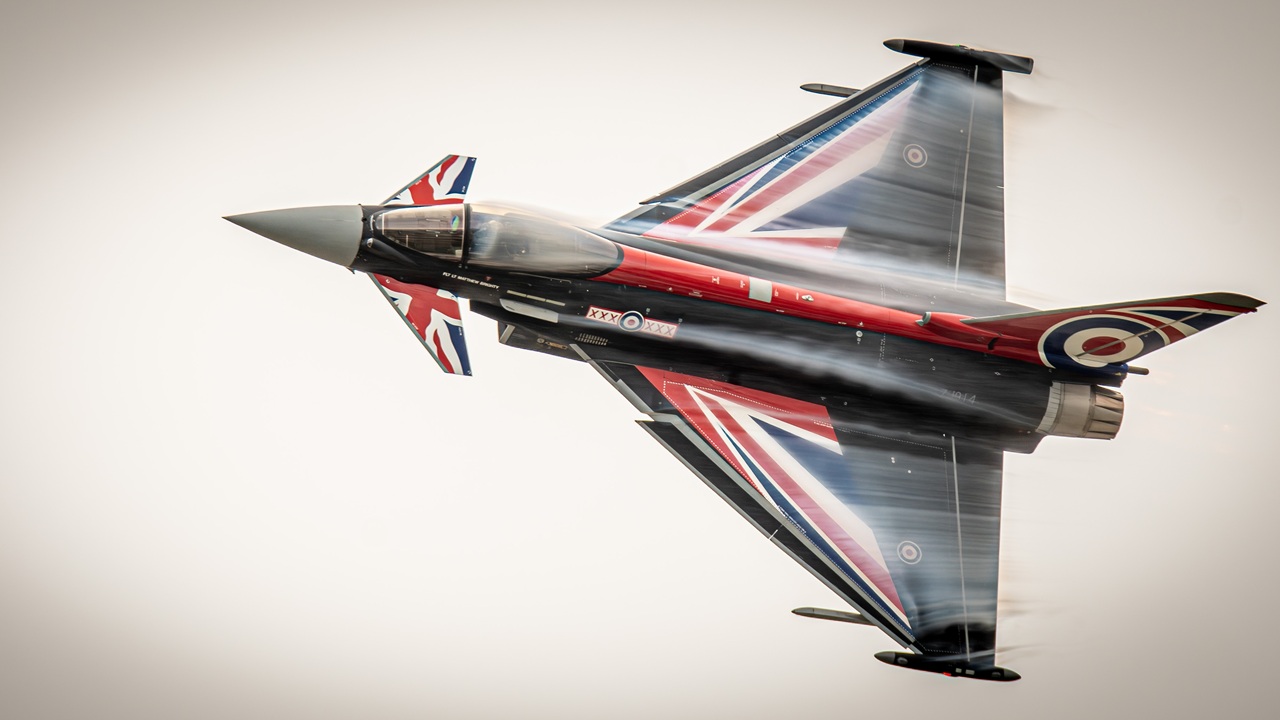
Second, in October, the UK and Turkey signed a contract for the sale of 20 Eurofighter Typhoon fighter jets worth approximately $10.6 billion (£8 billion). The fighter jet is a joint project among Germany, Italy, Spain, and the UK. Thus, its sale to Turkey raised some eyebrows in Europe’s capitals, considering Turkey’s tense relationship with NATO and Europe.
“By winning the historic deal to build Type 26 frigates for Norway, we are driving growth in Scotland and across the UK while better equipping our combined navies to counter the threat from Russia in the North Atlantic. And by exporting Typhoon fighter jets to Turkey, we are securing high-skilled jobs in Lancashire, Scotland, and across the UK whilst helping strengthen NATO’s southern flank,” Pollard added.
Several smaller deals further boosted London’s defense exports for 2025. Specifically, the UK agreed to sell 12 C-130 Hercules transport aircraft to Turkey for nearly $740 million (£550 million), as well as 18 Supacat special operations transporter vehicles to the Czech Republic for approximately $83 million (£61 million).
“We are committed to working with our allies and defence industries to make sure the UK is a leader in global defence exports, and there’s more to come in 2026,” Pollard concluded.
A Strong Defense Industry Is Good for the British Economy
Increased UK defense exports transcend the interests of the average British taxpayer and affect NATO.
A founding member of NATO, the UK has allowed its defense capabilities to atrophy. However, as Russia’s large-scale invasion has starkly reminded European nations, the threat of large-scale conventional warfare did not fade when the Iron Curtain came down, and the Cold War ended. A strong British military means a stronger NATO deterrence against threats on the European continent.
Increased defense exports might not affect the British military directly, but they encourage innovation and defense spending, promoting investments in the defense industry and maintaining specialization.
About the Author: Stavros Atlamazoglou
Stavros Atlamazoglou is a seasoned defense journalist specializing in special operations and a Hellenic Army veteran (national service with the 575th Marine Battalion and Army HQ). He holds a BA from the Johns Hopkins University and an MA from the Johns Hopkins’ School of Advanced International Studies (SAIS). His work has been featured in Business Insider, Sandboxx, and SOFREP.
Image: Shutterstock / Richmarks.