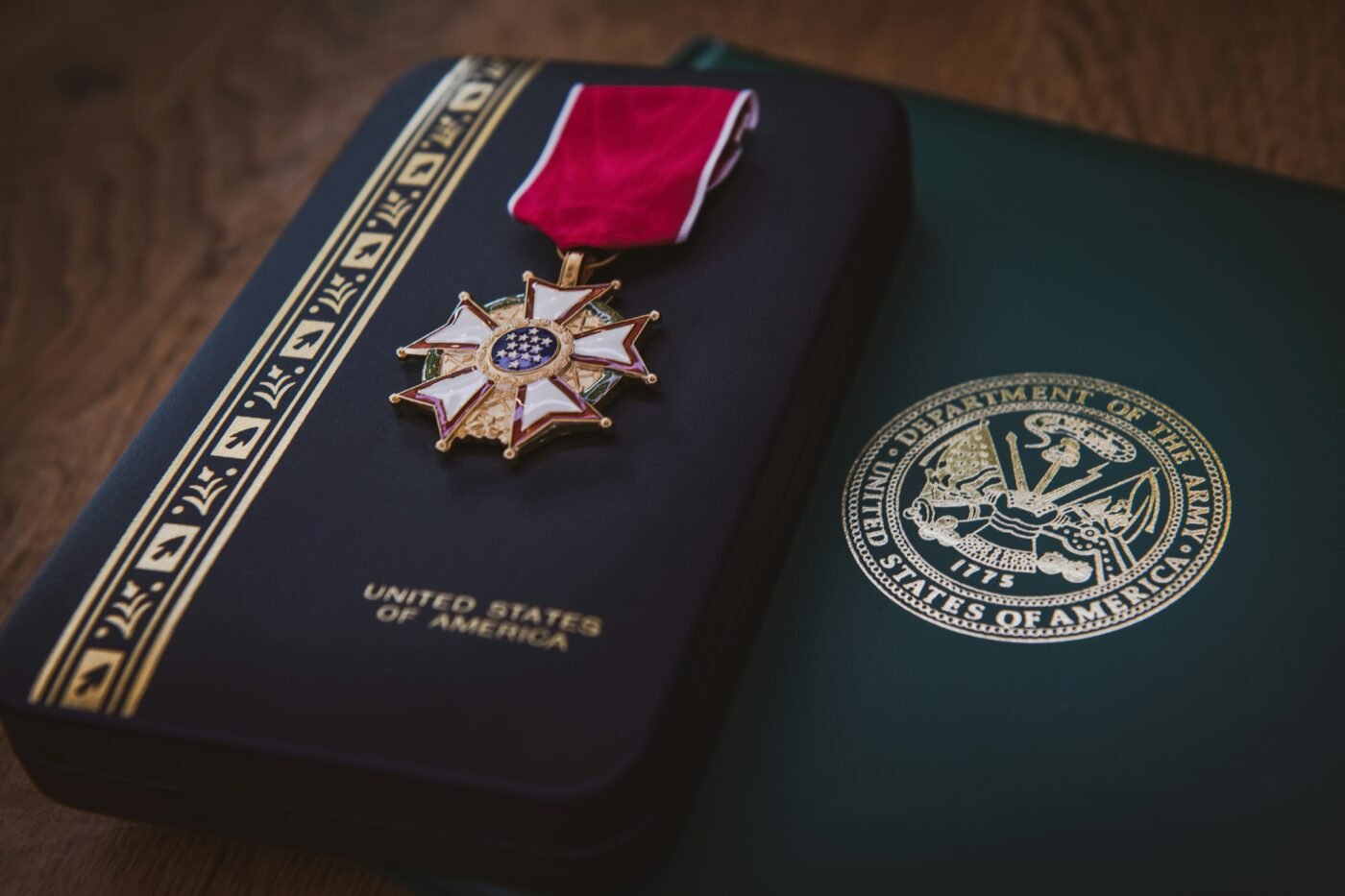
When we think about receiving an honor, we may think of it as a humbling yet pleasant occurrence. There may be recognition of some good we have done which required talent, discipline, or self-sacrifice. The word honor is Latin in origin and refers to a mark of esteem, excellence, or repute achieved by character, worth, reputation, or simply being born into nobility.
In the twenty-first century, the idea of an honor suggests everything from the Academy Awards to the Nobel Peace Prize, to a high school diploma or college degree. Given these general meanings, it is hard to reconcile these verses from Psalm 149:
Let the praise of God be on their lips
and a two-edged sword in their hand,
to deal out vengeance to all the nations
and punishment on all the peoples;
to bind their kings in chains
and their nobles in fetters of iron;
to carry out the sentence pre-ordained:
this honor is for all his faithful.
This portion of the Psalm speaks about the Lord ensuring the victory of the faithful over the forces of evil and the “honor” that will be due to them. So dealing out vengeance and punishment and binding evil-doers in chains is an honor? It becomes apparent that an honor is not necessarily a pleasure. We may know people who we’d be happy to see removed from positions of power or authority, but as Christians who by nature are called to be forgiving and merciful, who would want to execute this kind of honor?
The Faithful Accept Jesus’ Salvation and Respond
Every fourth Sunday and on all feasts, the Church prays Psalm 149 in morning prayer. Both the repetitive and festival use of this psalm points to something about honor that our twenty-first-century minds may be missing.
Being among those faithful mentioned in the psalm necessarily means that we have each accepted Jesus’ saving work on the Cross for the salvation of our sins. We don’t deserve and have not earned this salvation. Our small claim to honor then is accepting Jesus as Lord and accepting His mercy toward us.
While it is true that salvation is free, a person who has accepted this gift will sincerely desire to respond to it with love for the rest of their life. That response of love shows itself in a lifetime of choices made in accordance with God’s will for us, as expressed through Church teaching, our vocations, the authorities in our lives, and our circumstances. Our love shows itself in how we love God and love neighbor in light of this framework. As St. James says, “faith is completed by works” (Jas. 2:22), and our works are the fruit of our acceptance of Jesus’ saving work in us and for us.
Honor that Costs
As demonstrated in Psalm 149, sometimes we are given an honor that is costly. Unlike the “Pomp and Circumstances” type of honors we receive in this life, there are others that we may approach with great trepidation, such as:
– The honor of a soldier handing a bereaved wife a folded-up flag.
– The honor of offering a eulogy at a loved one’s funeral.
– The honor of fighting for one’s country.
– The honor of correcting a brother’s unchristian behavior.
The modern idea which conflates honor with pleasure most certainly does not hold true here; still, these are honors, and a true honor must be accepted even if it is difficult or painful. Though no one wants these honors, rising to them is a duty—not to accept would be dishonorable.
A true honor raises the honored through the acceptance of a sacred trust and through the execution of the associated duty.
A Last Glimpse into the Abyss We Avoided
In the context of the execution of justice at the Final Judgement, no one will gleefully bind a depraved soul, knowing they are hell-bound. But the sacred trust might ask us to. Therefore, it will be an honor we are asked to rise to.
Only God knows why He asks us to do all things. There may be a mercy in giving us this strange honor. Executing it might give us one last look into the face of evil. Perhaps this last look will give us more reason to give God glory eternally for the mercy He has extended to us and the hell He has spared us from enduring.
“…fear not, for I have redeemed you; I have called you by name: you are mine.” (Is. 43:1)
In this horrific purgation of sentencing and eternally banishing of the permanently depraved souls, God gives us a final glimpse at what He has saved us from, a final reason to praise Him forever.
Though this will not be pleasant, there will be a deeper joy in knowing that God’s promises of justice, in addition to His promises of mercy, have been fulfilled in time and for eternity.
An Honor We Share
The best acceptance speeches are given by humble recipients who are grateful to the many people who made their successes possible. They do not receive the honor for themselves alone, but in the name of all the people who supported them. Our acceptance of the difficult honor of executing God’s justice at the end of time will be a form of thanksgiving to Him for our “success.” It will also express our gratitude to the Blessed Mother, our Guardian Angel, all the angels and saints who aided us along our life’s pilgrimage.
Together we will execute God’s judgment by His command. Together we will give thanks and glory to Him. Together we will receive the honor He wishes to bestow on us, His beloved children. Though the honor described in Psalm 149 goes against our modern sensibilities, it is completely consistent with our God of grace, mercy, and justice.
Lord, thank you for your grace, mercy, and justice. Thank you for entrusting difficult honors to us in this life in preparation for this difficult honor at the end of time. Please help us to correspond with your grace in everything we do, knowing it is all an honor when we serve so great a God as you.
Photo by Tim Mossholder on Unsplash